Why winter sends rats upstairs
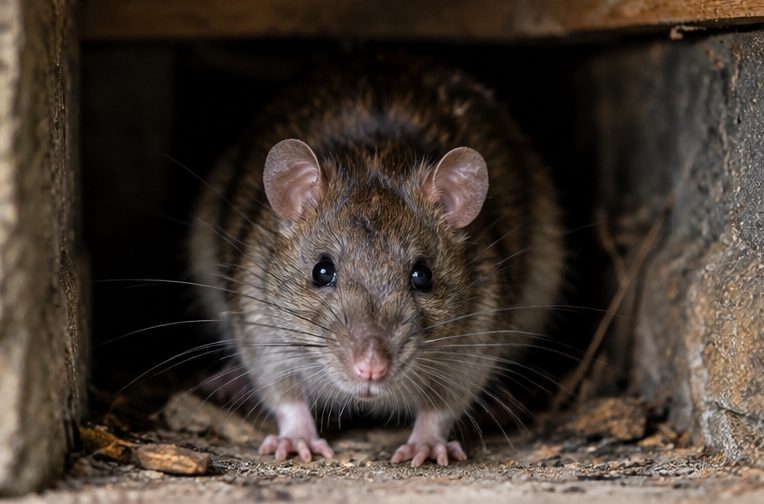
When the weather turns, rats look for shelter as well as food. A roof void is dry, undisturbed and close to the warmth rising from the house below, which is why scratching and scampering overhead often starts in the colder months.
In Croydon the route up is rarely obvious from the ground. In the 1930s semis of Purley and Selsdon it tends to be a gap where a pipe or cable runs through the wall, or a damaged section of eaves. In the dense Victorian terraces of Thornton Heath, many of them split into flats, a gap in one roof can affect the next.
What a rat in the loft sounds and looks like
- Scratching, scurrying or thumping above the ceiling, mostly at night
- Droppings along the edges of the loft floor or near the water tank
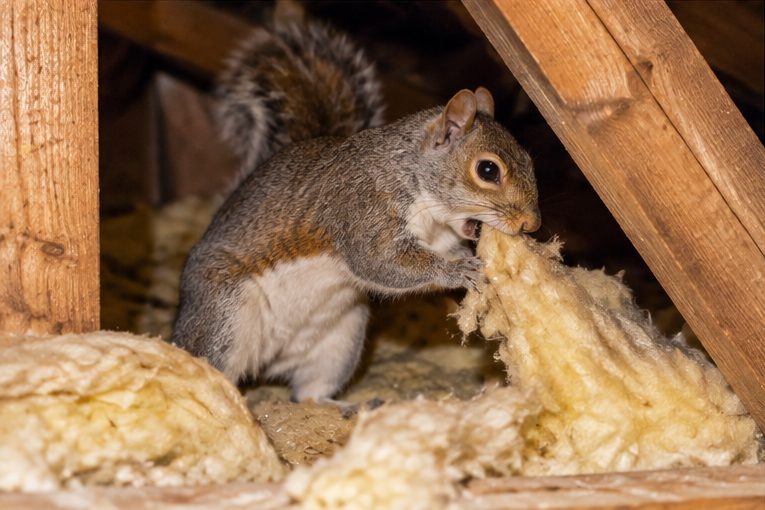
- Gnawed wood, pipe lagging or cable sheathing
- Greasy rub marks where a regular route runs along a joist or wall
- A musty smell that gets stronger in the warmth of the house
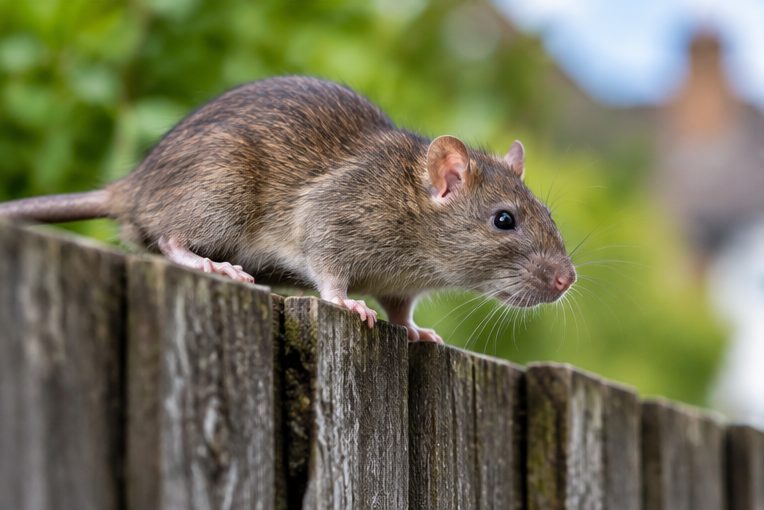
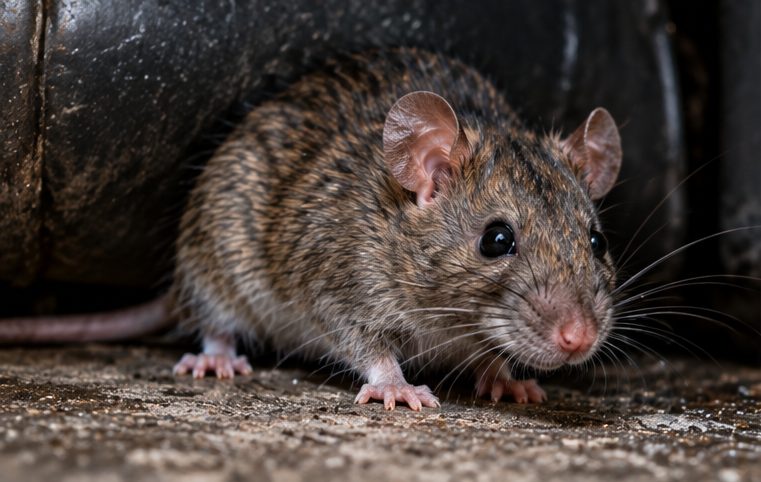
Heavy footfalls usually point to a rat rather than a mouse. If you are not sure which, say so when you book and we will work it out on the visit.
What to do first
- Do not go into the loft to chase the noise out
- Keep pets and children away from any droppings you can see
- Note where and when you hear it, because that helps us find the route
- Book treatment rather than blocking holes while a rat is still inside
Blocking an entry point with the animal still in the roof can trap it indoors. Treatment comes first, and the gap is closed once activity has stopped.
Closing the way in
Once the loft is clear, the gap that let the rat in needs sealing, or the next cold spell brings the same problem back. Our rodent proofing service in Croydon deals with accessible gaps above ground, and it is priced at £180 for up to one hour.
Booking rat control in Croydon
Rat control anywhere in Croydon is £190 for a flat and £240 for a house. Say that you can hear it in the loft when you book rat control, and see the Croydon rat control page for the full details.