Yes — including upper floors
Brown rats climb well. Inside a building they can travel up cavity walls, along boxed-in soil stacks and through the vertical service risers that carry pipes and cables between floors. A second- or third-floor flat is less likely to be affected than a ground-floor one, but it is far from immune.
How rats reach flats
Bin stores and ground-floor spaces

In a block, the communal bin store is almost always where rats first find food. From there they move into ground-floor voids, car parks and cycle stores, and then into the building's hidden spaces. Wembley Park's large developments are a good example — our Wembley page covers life in big blocks.
Risers, ducts and soil stacks
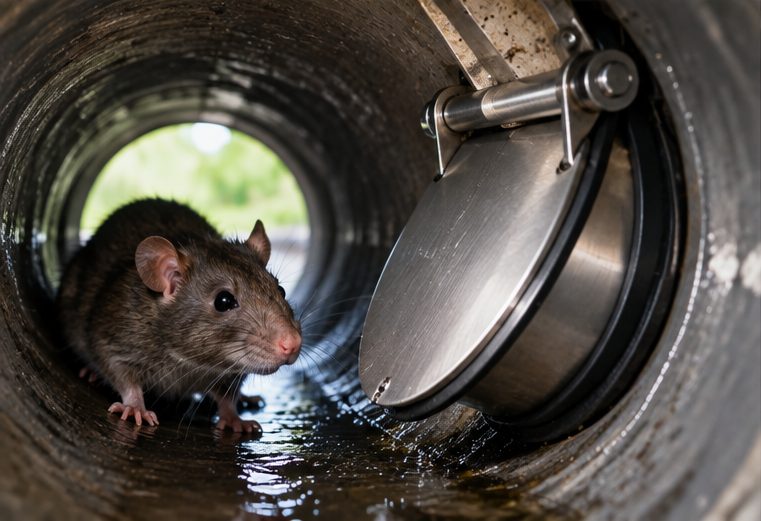
Pipes that run between floors are surrounded by gaps and boxing. Rats use them like a staircase, emerging behind kitchen units or bath panels. See where rats nest for the hidden spaces to be aware of.
Flats above shops
In converted buildings and flats above shops, the ground floor may be a takeaway or food shop with its own bins and deliveries. Rats drawn to the business can work upwards — our Harlesden page is about exactly this.
Who deals with rats in a block of flats?

- If you rent, tell your landlord or letting agent straight away
- If you own a leasehold flat, communal areas are normally the managing agent's responsibility
- Activity inside your own flat is usually yours to deal with as the leaseholder
- If several flats are affected, they are best treated together
Treating one flat while rats remain in the communal areas is one of the main reasons for rats coming back after treatment.
What to do
Note where you have seen signs, tell the building management, and book rat control for your flat. Rat control in Brent is £190 for a flat. For the route in, read how rats get into Brent homes.