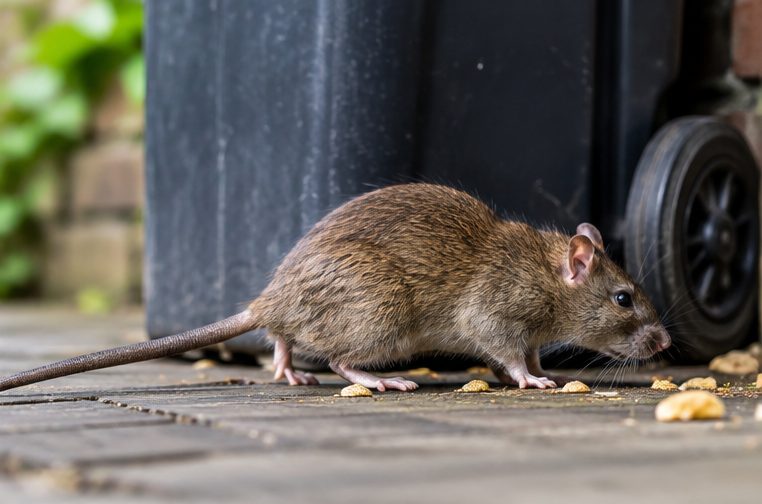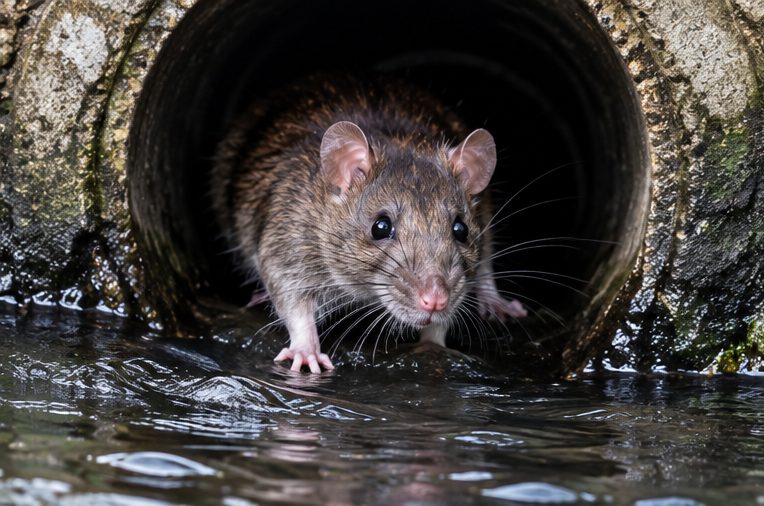
Is it rats or squirrels?
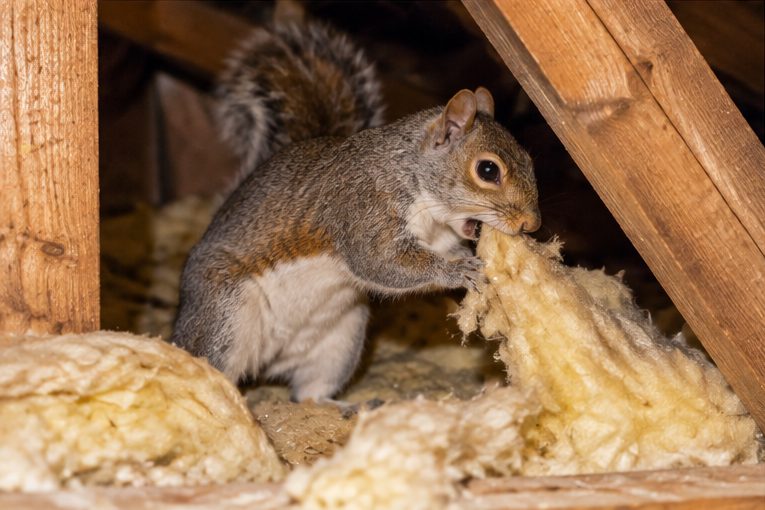
The time of day is the best first clue. Squirrels keep daylight hours and are loudest around dawn and late afternoon. Rats are mostly active after dark, so scratching and scurrying that starts in the evening and carries on through the night points towards rats. Squirrels also tend to thump and run; rats scratch, gnaw and scuttle.
Droppings settle it. Rat droppings are dark, spindle-shaped and 1–2cm long; squirrel droppings are rounder and often lighter. If you think it may be squirrels after all, our squirrel control page explains the trapping service.
How rats get into a loft
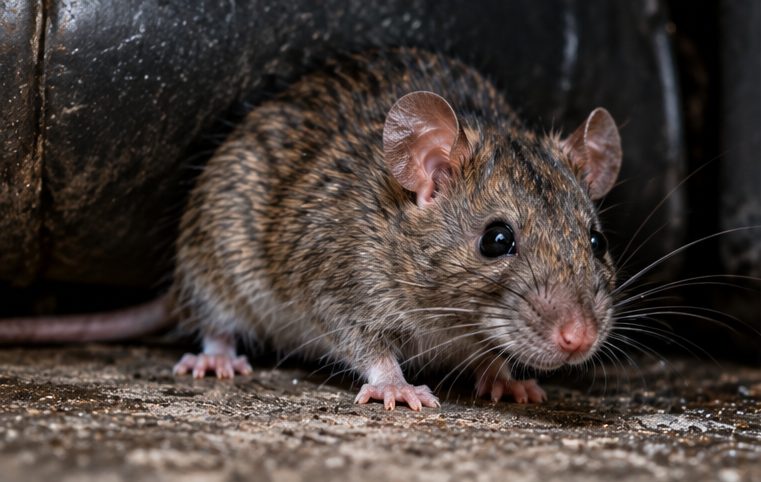
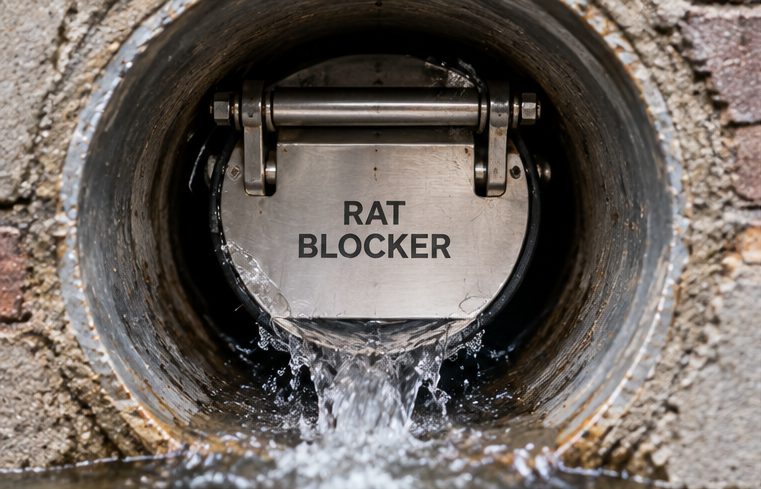
- Climbing inside cavity walls from a floor void or drain
- Up the outside of soil pipes and drainpipes
- Along overhanging branches or climbing plants
- Through gaps at the eaves and damaged roof edges
The route matters, because a rat that climbed up from the drains needs a different fix from one that came over the roof. Our guide on how rats get into Brent homes covers each route.
Why rats in the loft need dealing with quickly
A loft is full of things rats like to gnaw and nest in. Insulation is dragged into nests and fouled. Stored boxes are shredded. Electrical cables are chewed, which is a real fire risk. Water tanks can be contaminated, and rats in the roof space can work down into ceilings and walls. See where rats nest for how far a colony can spread.
What not to do
Do not go into the loft and try to chase them out, and do not seal the hatch or any gaps you can see while they are still up there — a trapped rat will chew a new way out, possibly into a bedroom. Avoid scattering poison across the insulation where it cannot be retrieved.
What to do
Keep the loft hatch closed, make a note of when the noise happens and where, and book rat control. Rat control in Brent is £240 for a house and £190 for a flat. Once the rats are gone, the way up needs closing — our rat proofing guide explains how.
Common in Brent's interwar houses
The deep eaves and large lofts of 1930s houses in Kingsbury, Preston and Kenton are as attractive to rats as they are to squirrels, particularly where gardens back onto open ground.