Stay in the room you're in
Moving to a different bedroom because of a suspected bite tends to spread rather than solve the problem. Keep sleeping where you normally do for now, and don't shift bedding or clothes between rooms until you know how far it's gone.
What you're actually looking for
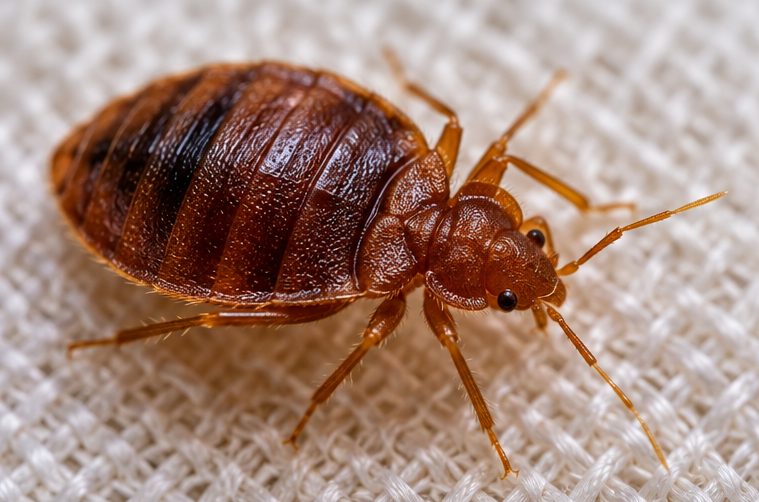
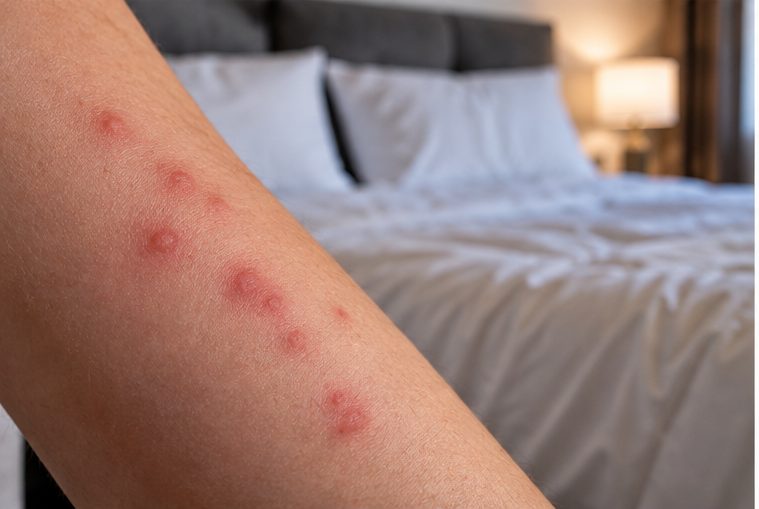
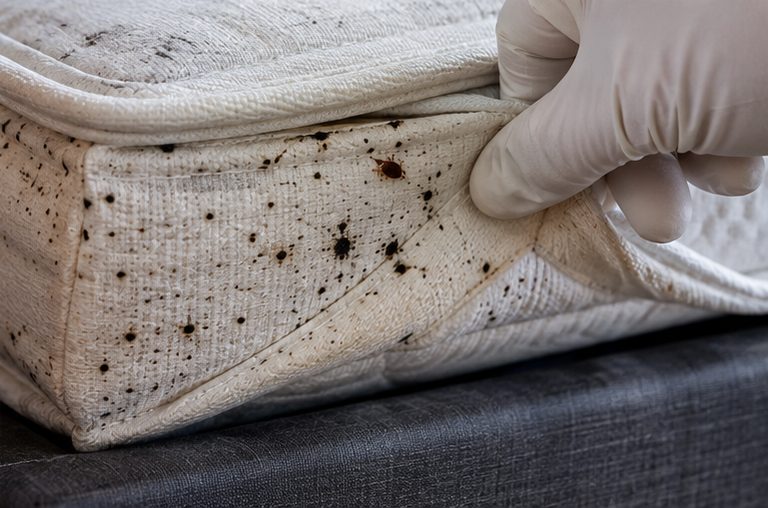
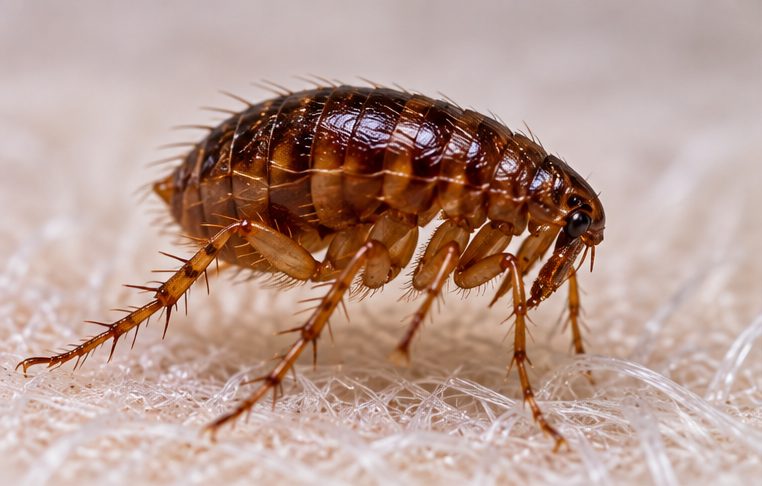
A fed bed bug is small, flattish and reddish-brown, roughly apple-pip sized, and it walks rather than jumps. Bites alone prove little, since reactions vary hugely between people, so search the mattress seams, the headboard and the skirting nearby for the insect itself, shed skins, or dark spotting.
High-rise blocks near Canary Wharf
Bed bugs travel in luggage, furniture and clothing rather than flying between floors on their own, but shared lift lobbies and corridors in the towers around Canary Wharf mean an infestation in one flat can arrive in another through moved furniture rather than spreading on its own. Let building management know if you live in one of these blocks.
Shared houses around Mile End
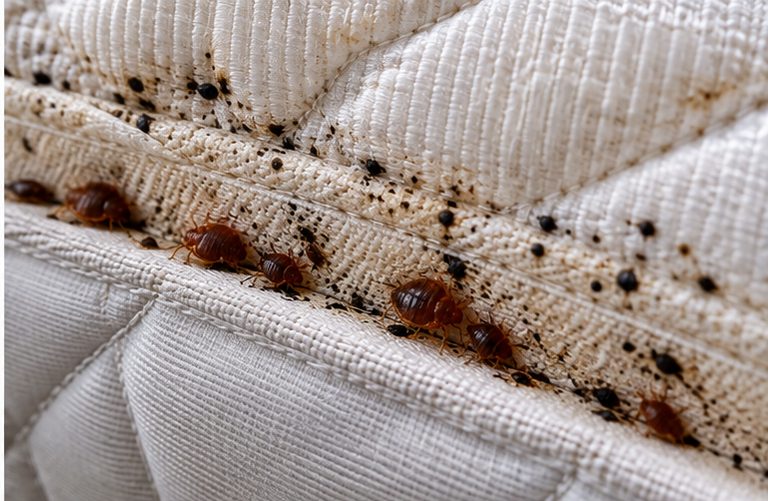
Student and shared housing is common around Mile End, and turnover between tenants is often how bed bugs arrive in the first place. Check every bed in the house, not just your own room, and tell housemates as soon as you find something so nobody moves an infested mattress or sofa bed elsewhere.
Tell the right people
Renters should notify a landlord or letting agent straight away and check the tenancy agreement for what it says about pests. A block manager needs telling too if more than one flat could be affected. None of this reflects on how clean a home is kept.
Booking bed bug treatment in Tower Hamlets
Bed bug treatment in Tower Hamlets runs £220 for the first room and £120 for each additional room, and because around Whitechapel, where a mix of Victorian housing, it is worth mentioning which rooms you have checked when you book bed bug treatment, with what a visit involves set out on the Tower Hamlets bed bug treatment page.