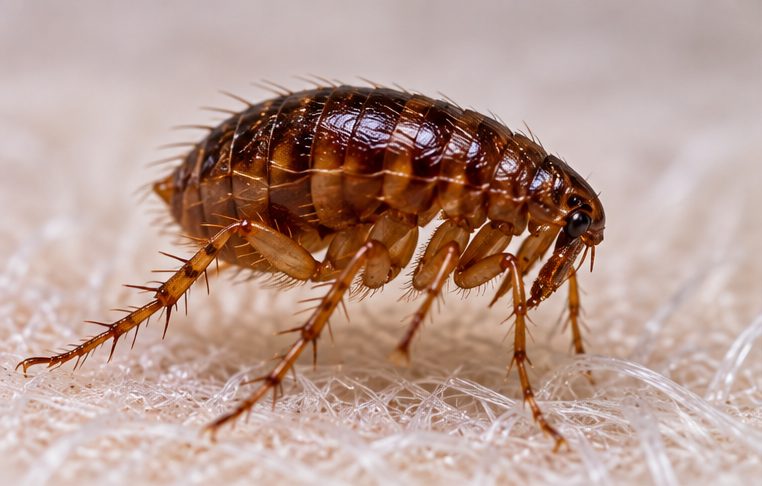
Why binning the mattress is not a cure
Bed bugs hide in the frame, the headboard, the carpet edge and nearby furniture as well as in the mattress. Take the mattress away and those bugs stay put, waiting for whatever you sleep on next. A brand-new mattress laid in an untreated room can soon be affected too. Replacing a mattress is also a large expense to take on before you know whether it is needed.
Carrying it out spreads them
Dragging an unwrapped mattress down the stairs and along a hallway shakes bugs and eggs onto carpets and walls on the way. In a block of flats, in Wembley or anywhere else, the route out also passes lifts and corridors shared with neighbours.
When a mattress can usually stay
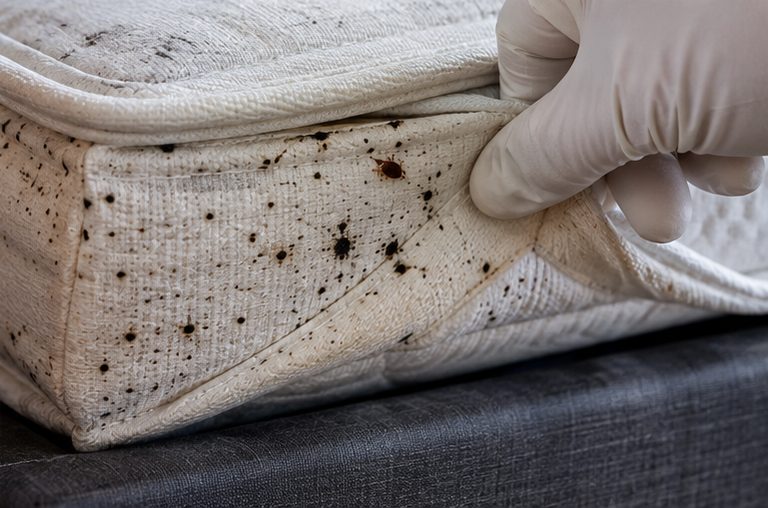
- The fabric is intact, with no rips, split seams or holes
- Signs are mainly on the surface and along the seams, where they can be seen
- The mattress is otherwise in reasonable condition and worth keeping
In that situation there is often no need to replace it, and it can be dealt with along with the rest of the room.
When replacing it makes sense
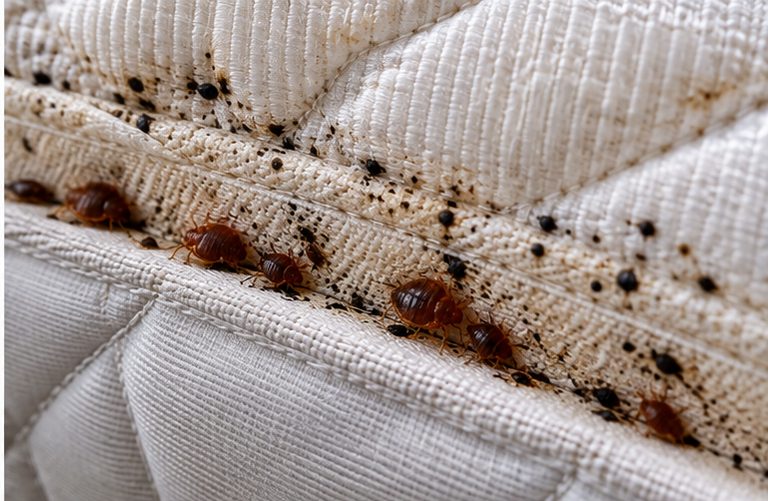
A mattress with torn fabric, open seams or holes lets bed bugs get inside, where nobody can inspect them. A very heavy infestation, with thick spotting and many live bugs through the padding, can also tip the balance. Age and wear count as well: an old mattress that was due for replacement anyway may not be worth the effort. It is a judgement for each case, which is why it is better to ask before deciding.
Mattress encasements
A zipped encasement made for bed bugs covers the whole mattress and seals it. Any bugs left inside cannot get out to feed, and its smooth surface has no seams for new ones to hide in, so fresh spotting is easy to see. Because bed bugs can live for months without a meal, the usual advice is to leave an encasement on for a long time, often a year or more, rather than taking it off after a few weeks. Check the zip closes fully and watch for tears. Divan bases and pillows can be encased as well.
The bed frame matters as much
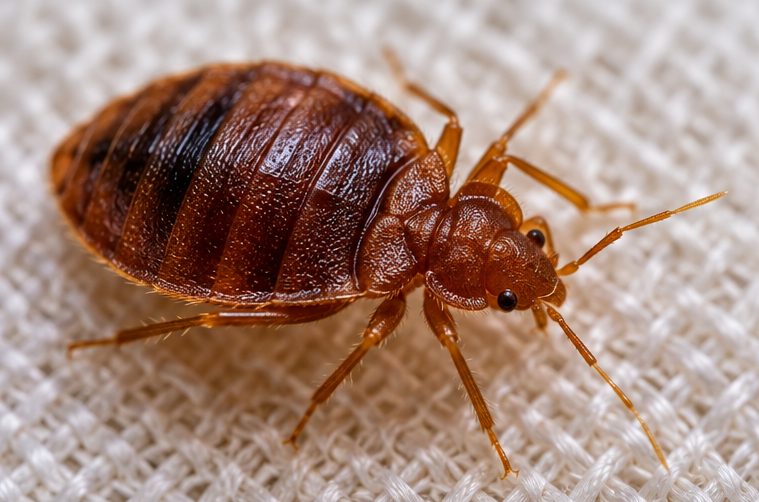
A mattress in good condition on an infested frame will keep picking up bugs. Check the joints, slats and screw holes described in where bed bugs hide during the day. Frames with many cracks or an upholstered finish can be harder to keep, much like some sofas.
If it does have to go
- Wait until you have had advice, and ideally until the room has been treated
- Wrap it completely in heavy plastic and tape the joins before moving it
- Mark the wrapping to show it has bed bugs
- Book a council bulky waste collection or use a licensed waste carrier
- Never leave it on the pavement or in a communal bin area where someone might take it
Landlords and furnished lets
In a furnished let, an encasement on each mattress makes checks between tenancies much quicker. Landlords in Kenton or elsewhere getting a room ready for a new tenant can then see at a glance whether any spotting has come back. Encasements are made for standard UK bed sizes, so measure the depth of the mattress as well as the width before buying, because a loose or strained cover is more likely to split.
Getting advice and booking
Leave the mattress where it is and book a visit, mentioning its condition and any tears. Bed bug treatment in Brent costs £220 for the first room and £120 for each additional room. For what to do beforehand, see preparing a room for bed bug treatment, and if furniture is involved too, bed bugs in sofas and furniture.