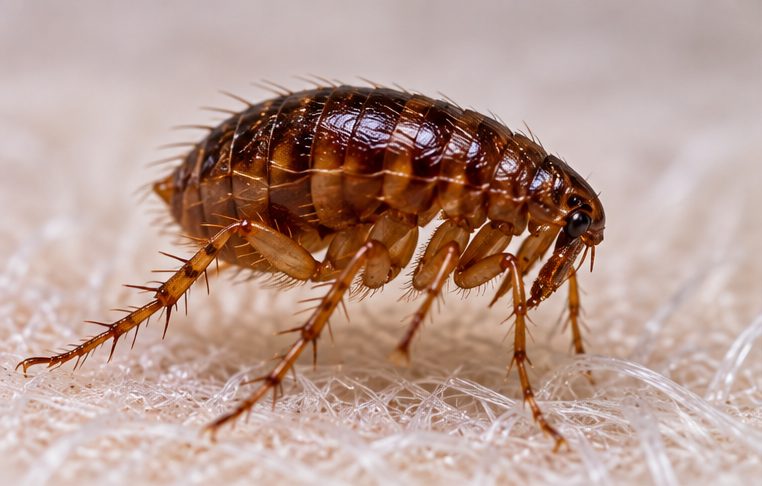
Why they stay close to the bed
A bed bug feeds on someone asleep and then retreats to digest the meal. Walking a long way is slow and risky, so a colony gathers in the nearest dark, tight spaces, most of them within easy reach of the pillow. Only when those spaces become crowded, or the bugs are disturbed, do they fan out across the room.
The mattress
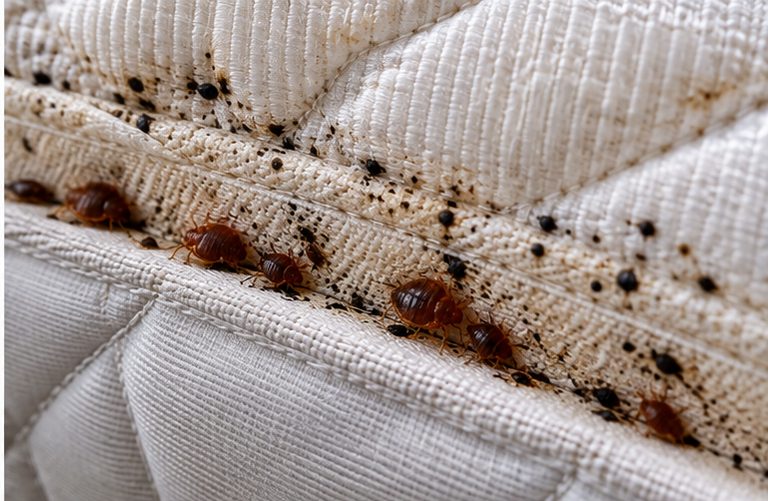
Start with the piping around the top and bottom edges, the stitched handles, any buttons or tufts and the label. Turn the mattress and check the underside, which stays dark and undisturbed. On a divan, look closely where the mattress sits on the base. Whether it can be kept afterwards is a separate question, covered in keeping your mattress.
The bed frame and base
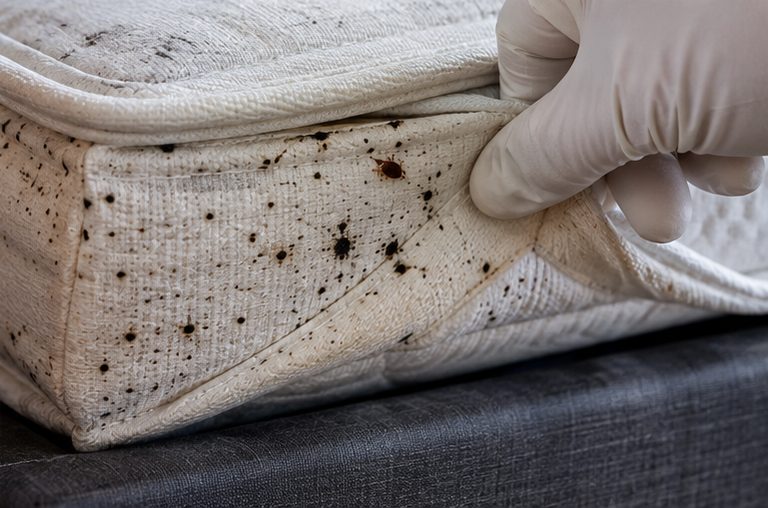
Frames frequently hold more bugs than the mattress does. Wooden joints, slat holders, bolt holes and the open ends of metal tubes all give shelter. Divan bases have a thin fabric sheet stapled underneath that bugs creep behind, and storage drawers under a bed collect them too.
Headboards
A headboard fixed to the wall hides a gap that almost nobody ever looks into. Upholstered designs add buttons, pleats and seams on top of that. If it is safe to take down, check its back and the wall behind it with a torch.
Beyond the bed
- Bedside tables: drawer runners, joints and the underside
- Skirting boards, particularly where they have shrunk away from the wall
- The edge of the carpet and the gripper strip hidden beneath it
- Behind plug sockets, light switches and loose or peeling wallpaper
- Picture frames, mirrors and the ends of the curtain track
- Piles of clothes, books, bags and boxes stored under or beside the bed
Gaps in the floor
Older houses with timber floorboards, like many in Willesden, have gaps between boards and along the edges of each room that give bed bugs another line of cover. A rug laid over the boards adds one more layer to lift and check.
When they turn up further away
A long-running problem pushes bugs outwards. Spotting may then appear where the wall meets the ceiling above the bed, behind curtains, along door frames and inside nearby wardrobes. Finding bugs in a room where nobody sleeps usually means the population in the bedroom is large or has been disturbed, and it is a sign not to wait any longer before booking. What preparation involves is in preparing a room for treatment.
Anywhere else someone sleeps
Bed bugs follow the sleeper, not the bed. A sofa bed, a recliner, a futon or an armchair where someone dozes off every evening can become a feeding place in its own right. What to look for in upholstery and wooden furniture is set out in can bed bugs live in sofas and furniture.
Searching without spreading them
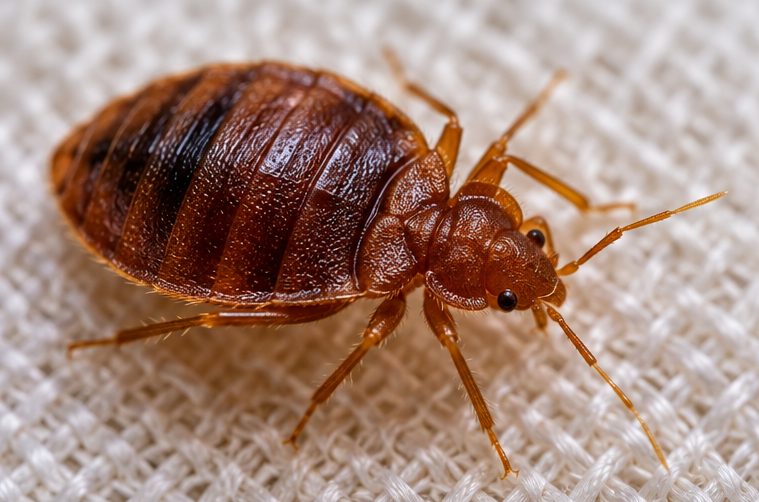
Use a torch and an old bank card or thin spatula to open up seams. Work through one piece of furniture at a time, and do not carry drawers, bedding or clothes through the home unless they are sealed in bags first. Resist dismantling the bed and taking it to another room, because that is one of the quickest ways to move the problem with you. If you live in a flat and find bugs along a party wall or around pipes, read can bed bugs spread between flats.
Once you have looked
Note every place you found spotting, skins or live bugs, and which rooms they were in. That tells us how many rooms need treating when you book a visit. Bed bug treatment in Brent is £220 for the first room and £120 for each additional room, so a bedroom plus a living room where someone also sleeps would be £340.