Why the City sees fewer squirrels
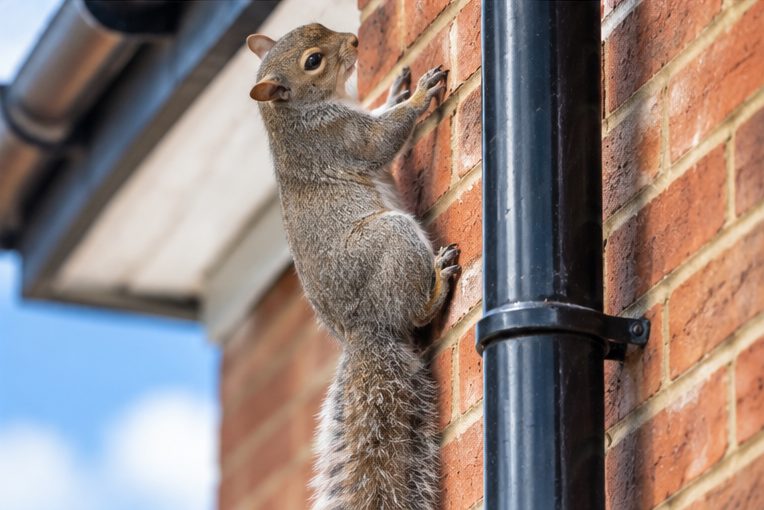
Grey squirrels need trees to travel through, and with most of the Square Mile given over to office towers, hard paving and narrow streets, there's little canopy for a squirrel to use as a route onto a roof - except close to Temple's gardens and courtyards.
Temple's gardens and courtyards
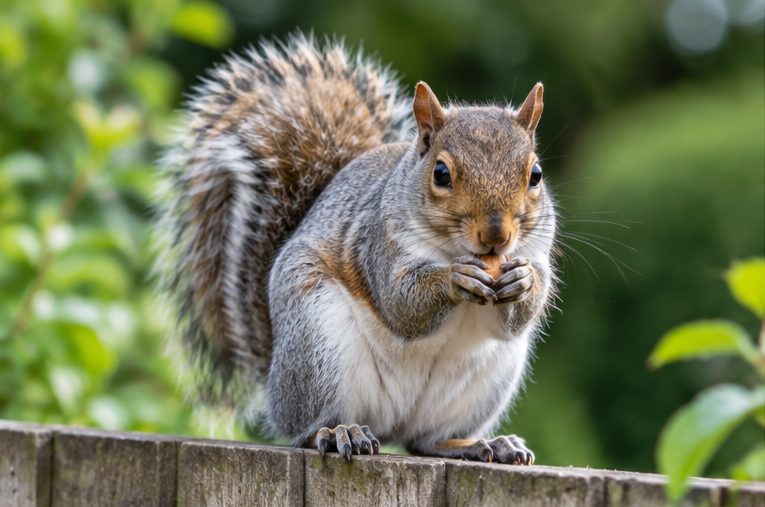
The legal chambers around Temple sit among quiet courtyards and mature gardens that give squirrels the same kind of canopy access more typical of a residential borough, and a building bordering one of these is the most likely place in the City to hear one in the roof.
Confirming it's a squirrel
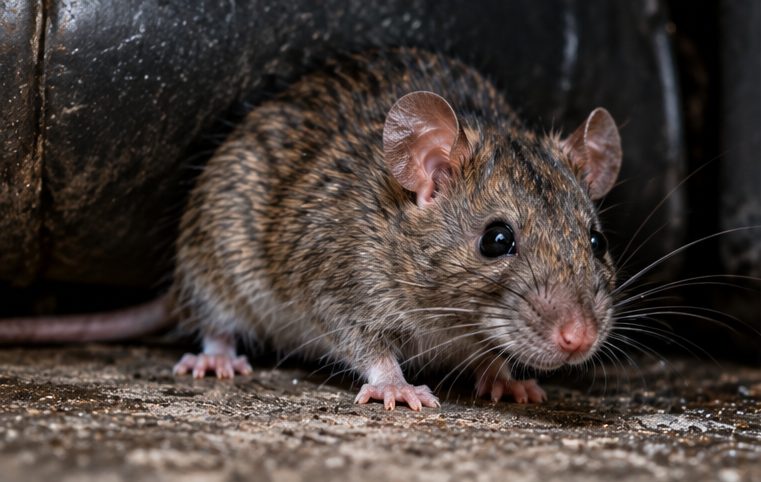
Timing gives the clearest indication: squirrels keep daytime hours, so activity around dawn and late afternoon points to them, while overnight noise means rats or mice - the same pattern holds near Bank, where the financial core.
Checking for damage
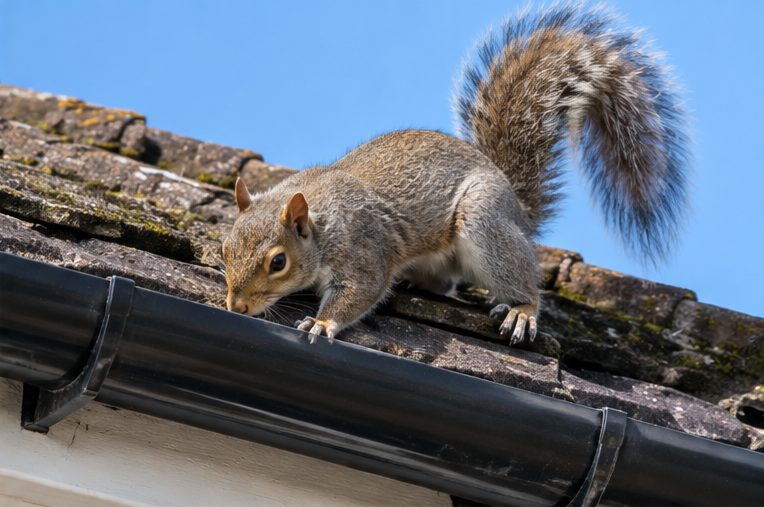
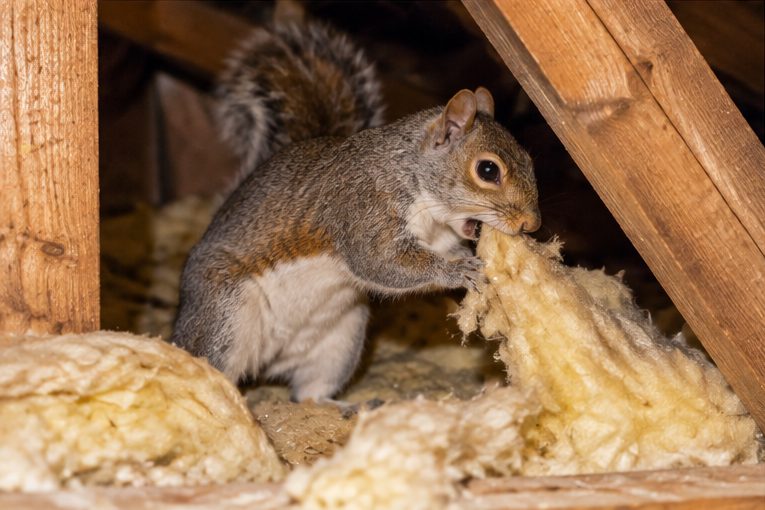
Look from the loft or roof void hatch without climbing in, using a torch: shredded insulation, gnawed timber and droppings. The most serious find is chewed electrical cable, bare conductors are a fire hazard, so leave it alone and have an electrician check it, just as near Smithfield, where historic market buildings and food premises close to the meat market.
What not to do
- Block the entry hole while a squirrel may still be inside - it will chew a new way out
- Put down poison in a roof void
- Catch a squirrel and release it elsewhere
The last point is a legal one as much as a practical one, grey squirrels are an invasive non-native species and it's against the law to release one once trapped, much as it does near Aldgate, where offices and food premises close to the eastern edge of the City boundary.
Booking squirrel control in the City of London
Our squirrel trapping service in City of London is £280, and since around Barbican, where the City's main residential estate, it helps to say when you book squirrel control whether the sounds are by day or night and whether trees overhang the roof, with more on the City of London squirrel control page.