A loft is an ideal home
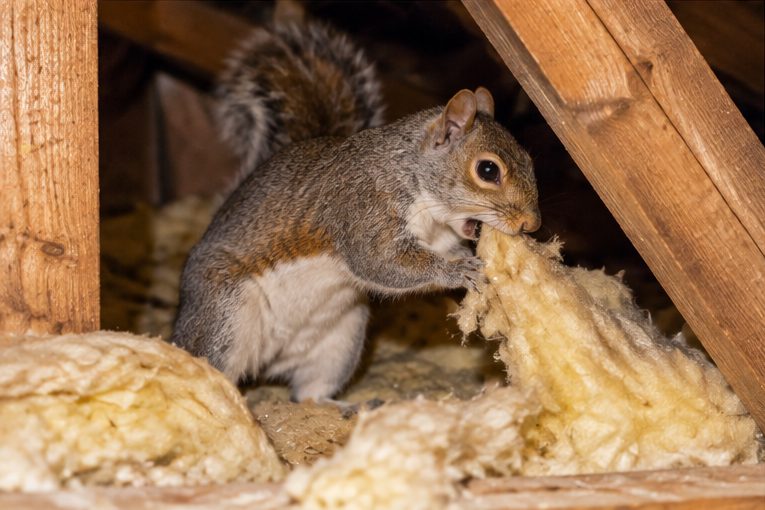
From a squirrel's point of view, a roof space beats a nest in a tree in almost every way. It is dry, out of the wind, warmed by the house below and rarely disturbed. Insulation and stored belongings supply nest material on the spot. Once a loft has proved safe, it is worth coming back to. Few natural nest sites offer that much comfort, so the pull of a good roof space is strong, and it does not fade quickly just because the first occupants have gone.
The hole was never closed
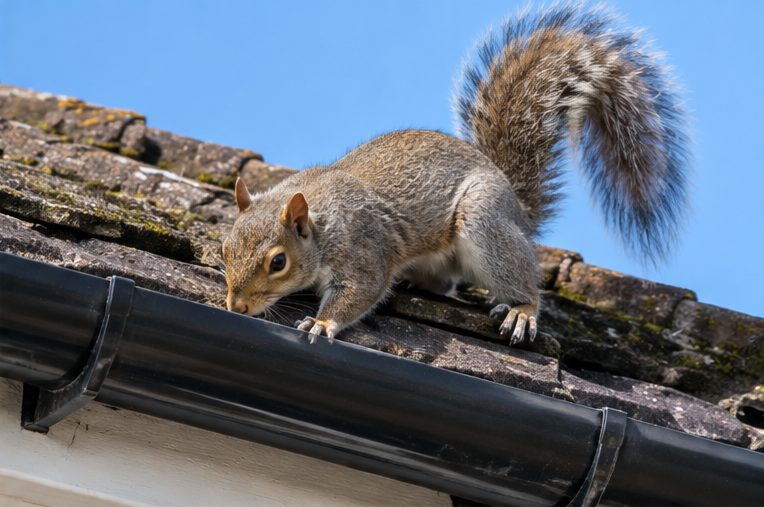
The most common reason is simple: the way in is still there. Squirrels removed from a loft with the gap left open are quickly replaced by others that find the same opening. A gap that was patched with something soft, such as foam or thin plastic, can be chewed through within days.
Scent and old nest material
Squirrels leave scent where they live and travel, and an old nest left in the eaves shows that a site has been used. Other squirrels in the area appear to be drawn to places like that. Clearing old nest material and soiled insulation once the loft is empty removes some of that attraction. Wear gloves and a simple dust mask for the job, and bag the material before carrying it through the house.
The route up is still there
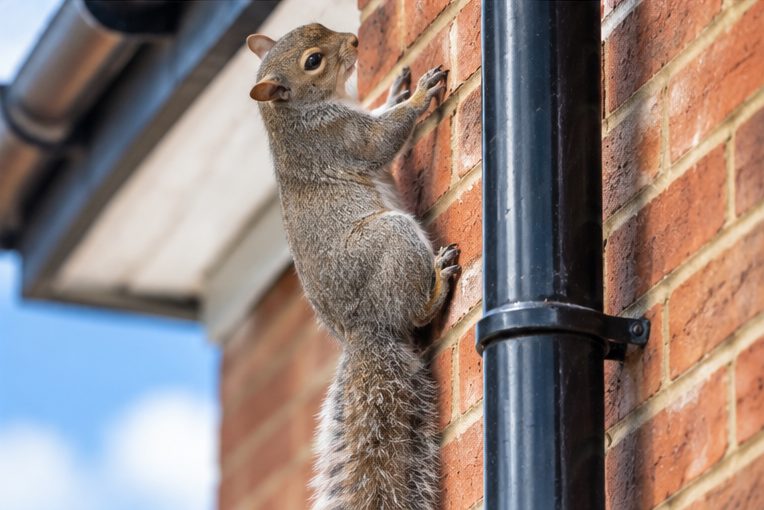
An overhanging branch, a drainpipe beside the eaves or a cable running to the roof gives every squirrel in the neighbourhood the same easy climb. If nothing changes outside, the house stays just as easy to reach. Young squirrels born nearby grow up using those same routes, so the number of animals that know the way can grow year by year.
The breeding seasons come round again
Squirrels look hardest for nest sites in late winter and early spring, and again in late summer. A loft that was quiet through the rest of the year can suddenly become busy at those times. That is why a problem can seem to go away and then return at almost the same point the following year. The typical sounds at those times are described in what squirrels sound like in a roof space.
Shutting one in makes it worse
Blocking the hole while a squirrel is still inside does not solve anything. A trapped squirrel will gnaw through the repair or make a new hole, sometimes through a ceiling into the house, and the loft ends up with two ways in instead of one. It can also leave an animal to die in the roof space, with the smell that follows.
Squirrels living next door
In attached and semi-detached houses, squirrels can move between neighbouring roof spaces or use a gap on the house next door. The interwar homes of Kingsbury and the extended houses of Queensbury have plenty of shared roof lines and joins. If yours keeps being used, it can help to talk to the neighbours about their roof too.
Releasing them nearby does not help
Catching a grey squirrel and letting it go in a park or wood is not only unlikely to stop the problem, it is against the law. The rules are set out in is it legal to release a grey squirrel after trapping.
Breaking the cycle
The loft needs to be empty first, and then the gap closed with something a squirrel cannot chew through, alongside changes to the routes up. The practical steps are in how to stop squirrels getting back into your roof, and what affects the timescale is in how long squirrel control takes. Squirrel control in Brent is a £280 trapping service; book it here.