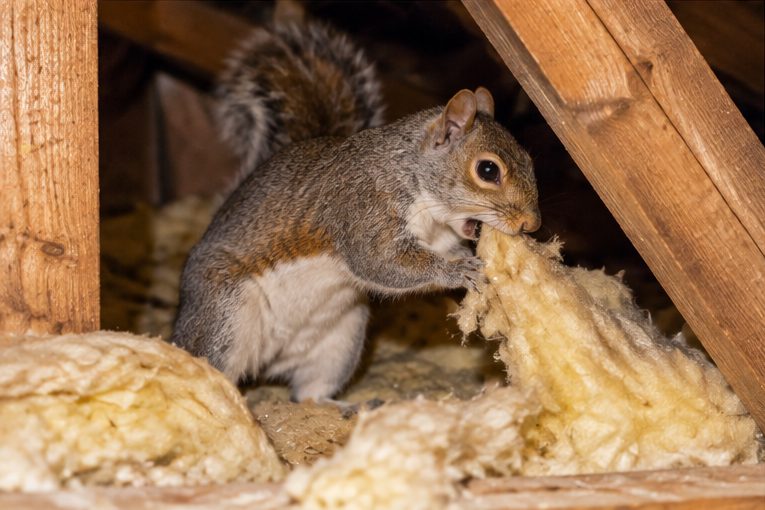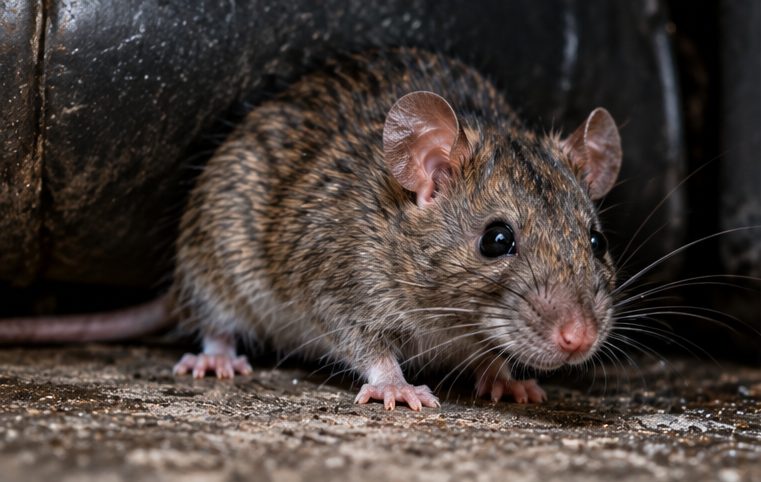
Squirrels climb better than you think
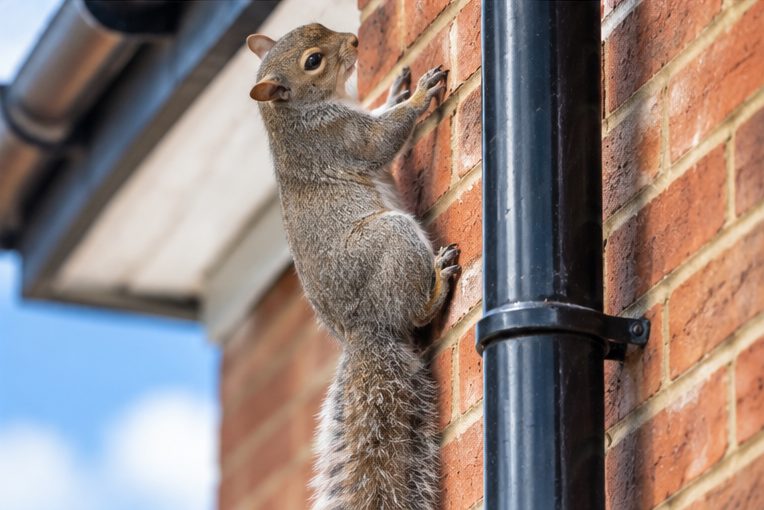
Sharp claws and ankles that turn let a grey squirrel run straight up a tree trunk and come down head first. The same grip works on rough brick, pebbledash and wooden cladding. Squirrels leap several times their own body length, balance along wires and fence tops, and use anything leaning against a house as a ladder. A roof that looks out of reach from the ground rarely is. Semi-detached and terraced houses are no safer than detached ones, because a squirrel that reaches one roof can often run along the whole row.
Gaps at the eaves and fascia boards
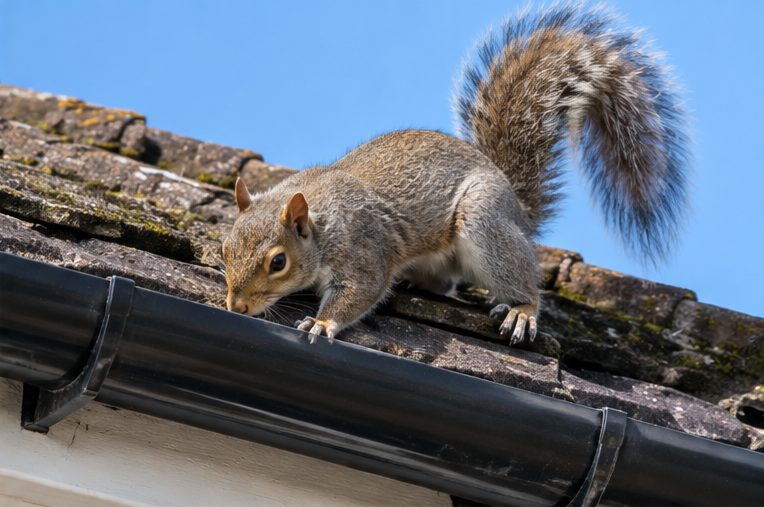
The join between the top of the wall and the roof is the most common way in. Timber fascias and soffits dry out, rot or shrink over the years, and the joints at the corners open up. Once there is a gap a squirrel can get its head into, the rest can be gnawed wide enough. Interwar houses like those in Kingsbury and Preston, with deep eaves and plenty of exposed timber, give them a lot of edge to work on.
Loose, slipped or broken tiles
A single tile that has slipped out of line, or a cracked ridge or hip tile, can leave a pocket straight into the roof space. Storms, old nails and past repairs all loosen tiles. From the garden, look for a tile sitting slightly proud of its neighbours or a dark line where there should not be one.
Soffits, vents and plastic fittings
Plastic soffit vents, cable entry covers and dry-verge caps are easy for a squirrel to chew. So are the ends of lead flashing, which are soft at the edge. A vent with a ragged hole in it is a telling find. Bird mesh or thin plastic grilles fitted in the past are rarely strong enough to stop a determined squirrel. Chewed plastic near a hole is also one of the outside clues listed in the damage squirrels cause.
Where two roofs meet
Anywhere an extension, a dormer, a bay or a porch roof joins the main house creates a junction that can open over time. Loft conversions and rear extensions, including the kind found across Queensbury, add new joins to an older roof. A flat extension roof also gives a squirrel a handy platform right beside the main eaves.
The routes up to the roof
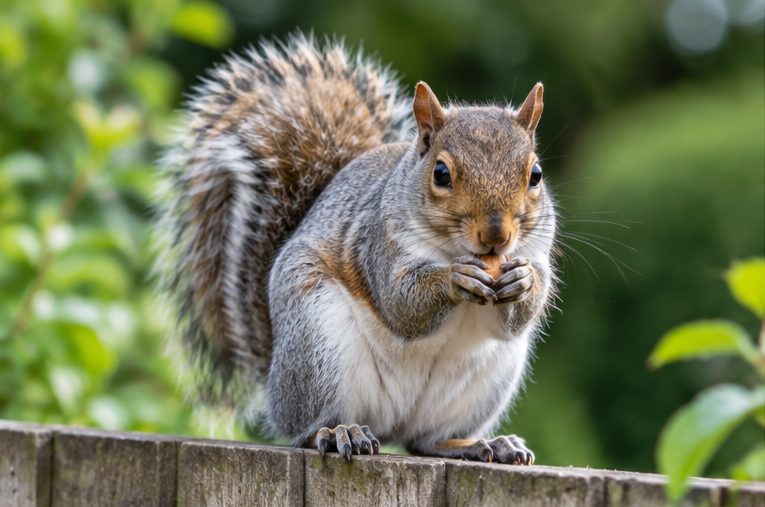
- Branches that hang over the roof or come within jumping distance of it
- Drainpipes and soil stacks fixed close to the wall
- Telephone, broadband and power cables running to the house
- Ivy, wisteria and other climbers growing up the brickwork
- Shed, garage and fence tops that sit close to a lower roof
A small weakness becomes a hole
Squirrels do not just find gaps; they make them bigger. They gnaw soft or rotten wood, peel back plastic and worry at loose mortar until the opening suits them. That is why the hole you eventually find can look far too big to have been there all along.
Finding the gap they are using
The easiest time to spot it is early in the morning, when squirrels leave to feed. Watch from the ground, with binoculars if you have them, and look for rub marks or fresh chewing around a gap. Do not go up a ladder onto the roof. If you are unsure whether squirrels are using the loft at all, start with how to know if squirrels are in your loft.
Leave it open for now
Blocking the hole while a squirrel is inside traps it, and it will chew another way out, sometimes into a room. The gap should be closed once the loft is empty; the order of work is set out in how to stop squirrels getting back in. Squirrel control in Brent is a £280 trapping service. Book it here and tell us where you have seen them getting in.