Watch the flight line first
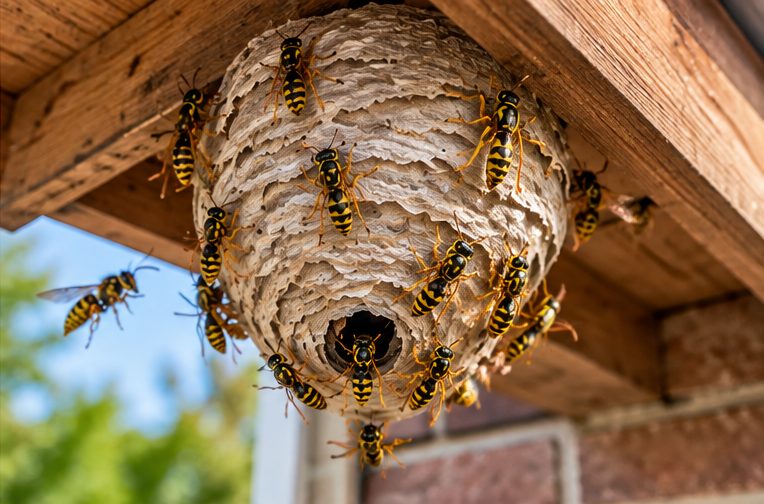
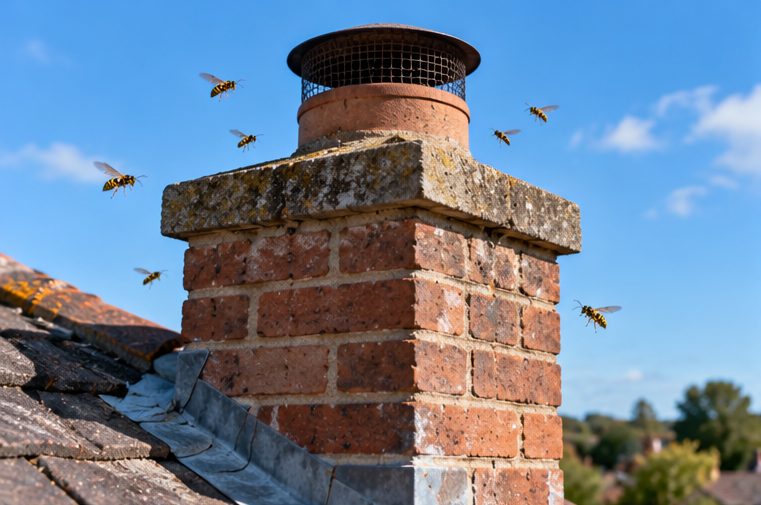
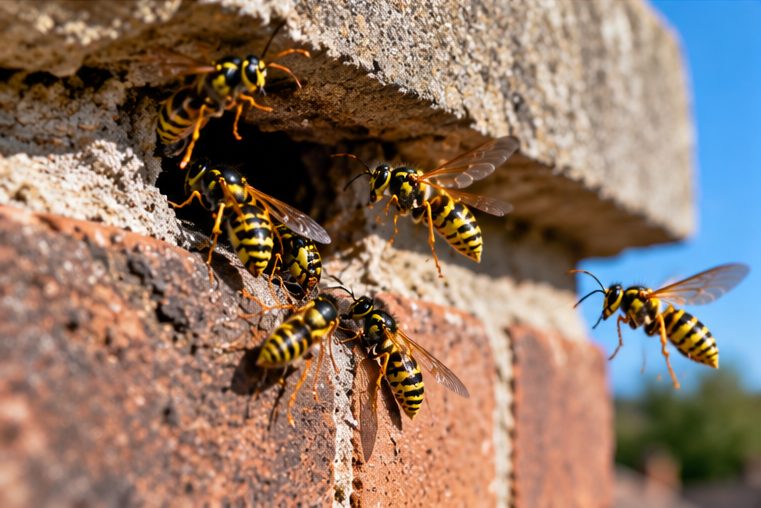
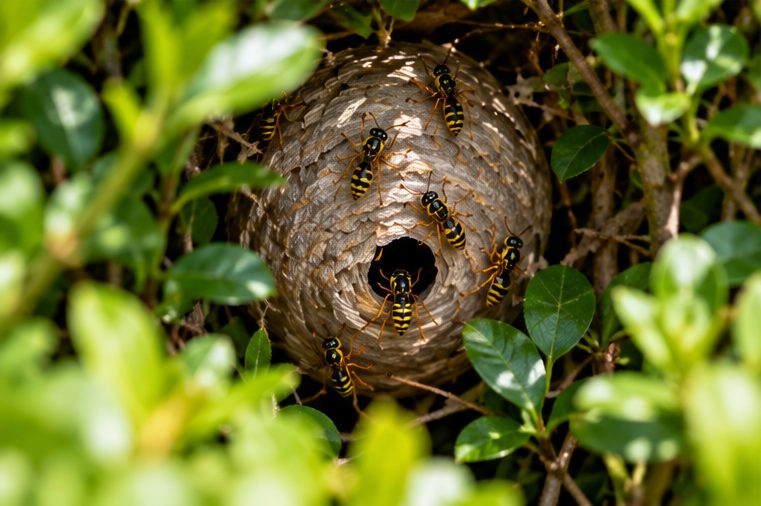
Nests tend to be given away by the coming and going around them well before you spot the nest itself, much as it does near Woolwich, where dense converted flats and former barracks buildings. From a safe distance, on a calm afternoon, watch for wasps returning again and again to the same spot, wherever that turns out to be decides which part of this guide applies, true near Greenwich too, where the Georgian maritime core around the park and the river.
Eaves on Eltham and Blackheath's houses
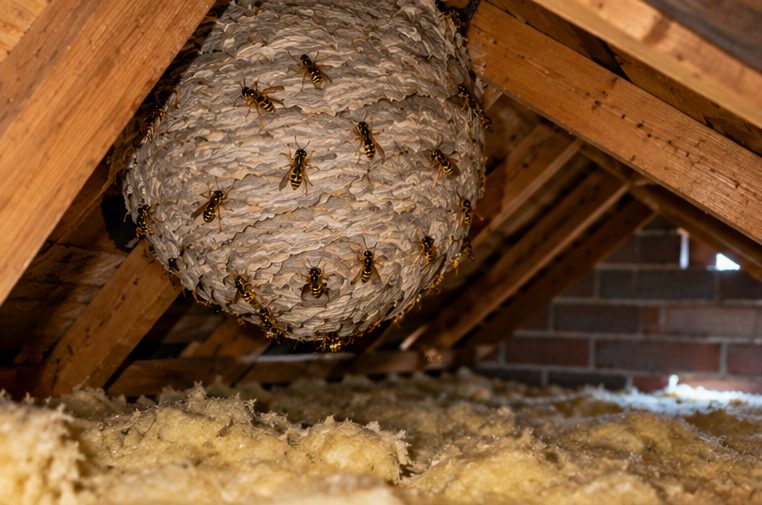
In the suburban houses of Eltham and the Georgian and Victorian houses around Blackheath, a gap at the fascia or a slipped tile gives a queen an easy way into the roof space in spring. Because these eaves are usually reachable from the ground, a short spring inspection is worthwhile, much as it does near Woolwich, where dense converted flats and former barracks buildings.
Sheds and garden walls on the estates
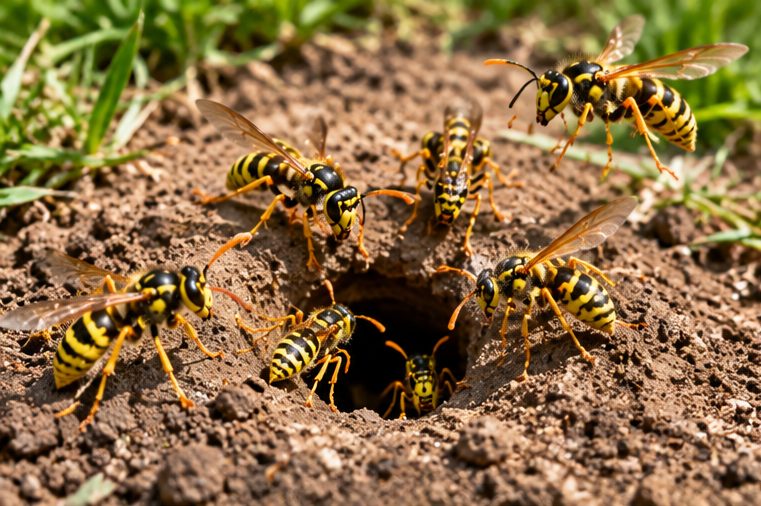
Sheds opened only occasionally, and the garden walls between plots on the postwar estates at Thamesmead and Kidbrooke, both shelter nests across the borough. A nest low down in a hedge or along a fence line can go unnoticed until strimming or hedge-cutting disturbs it.
Former barracks buildings near Woolwich
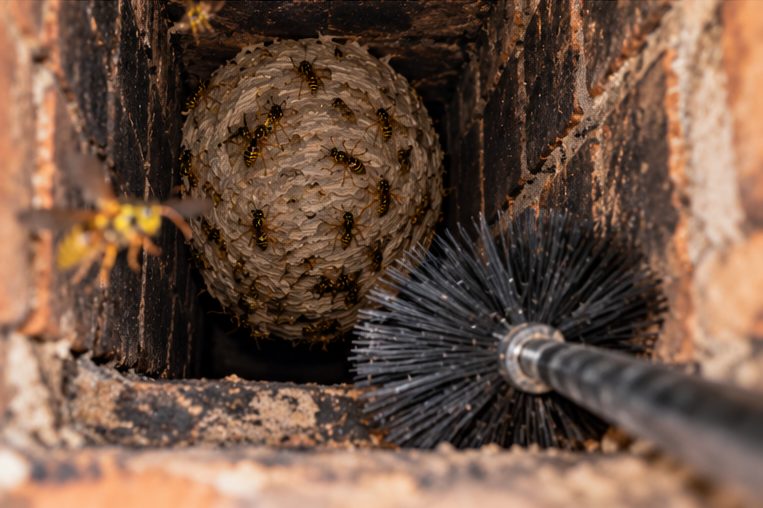
The old barracks buildings around Woolwich, with their thick brickwork and disused outbuildings, give a queen plenty of quiet, undisturbed spots away from regular foot traffic to build a nest largely unnoticed.
What to do today
- Keep children and pets away from the flight line
- Keep windows shut on the side of the house or outbuilding where the nest is
- Leave the entrance open and the nest untouched
- Clear sweet drinks and fallen fruit from the garden, which draw wasps in late summer
Why late summer feels worse
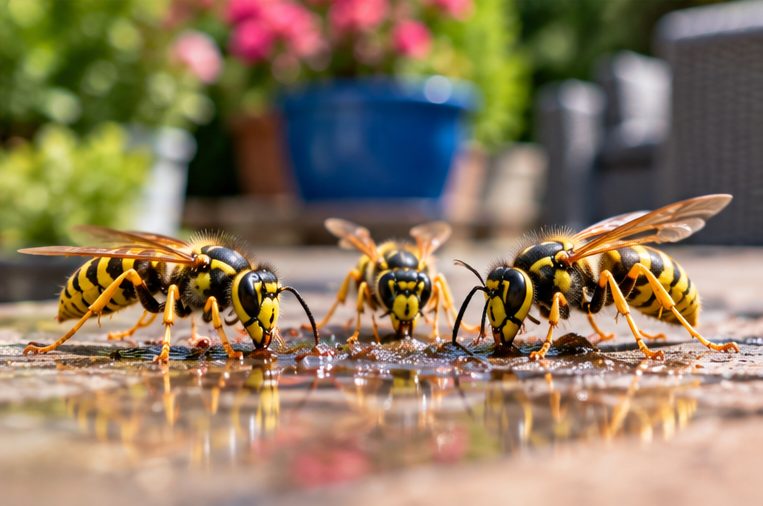
A colony reaches its full size by August and September, but with the queen laying far less, there's far less of the sugary secretion the workers normally get from the larvae, true near Eltham too, where suburban houses and semis spreading out from the Eltham High Street. With that supply gone, workers turn to finding sugar themselves, so bins and drinks become a magnet, and it's also the worst time of year to disturb a nest, as anyone near Thamesmead will recognise, where large postwar estates built around lakes and waterways on the borough's eastern edge.
Booking wasp nest removal in Greenwich
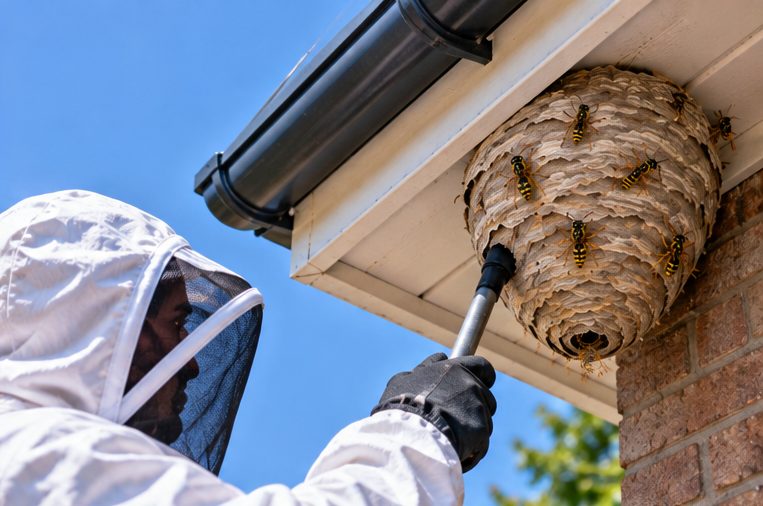
A standard wasp nest removal in Greenwich is a £90 fixed price, guaranteed: if the nest is still active within 30 days we come back at no extra cost, and that applies equally whether the nest turns up near Plumstead - where victorian terraces on rising ground - or anywhere else nearby, so book wasp nest removal and tell us roughly where the entrance is, with the full terms on the Greenwich wasp nest removal page.