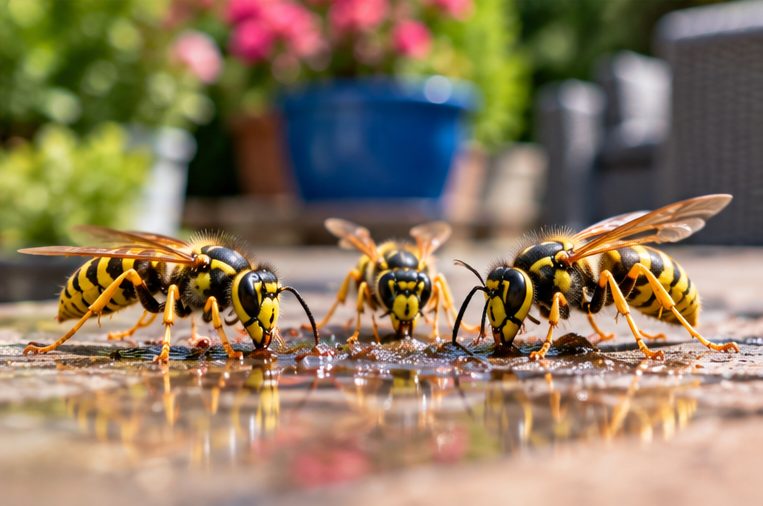
A few wasps, or a nest?
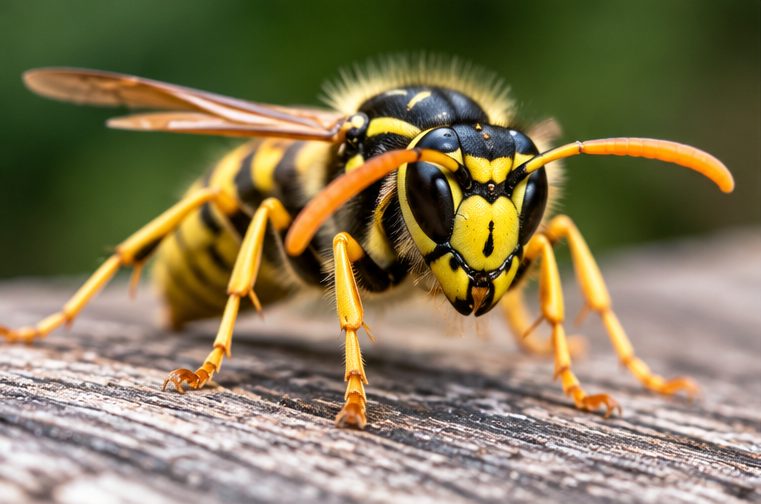
Wasps forage over a wide area, so seeing one or two at a picnic or a bin tells you very little. What points to a nest is repetition: the same route, the same gap, the same wasps coming and going all day. Spend ten minutes watching from a safe distance on a warm afternoon, when activity is at its highest.
The flight line
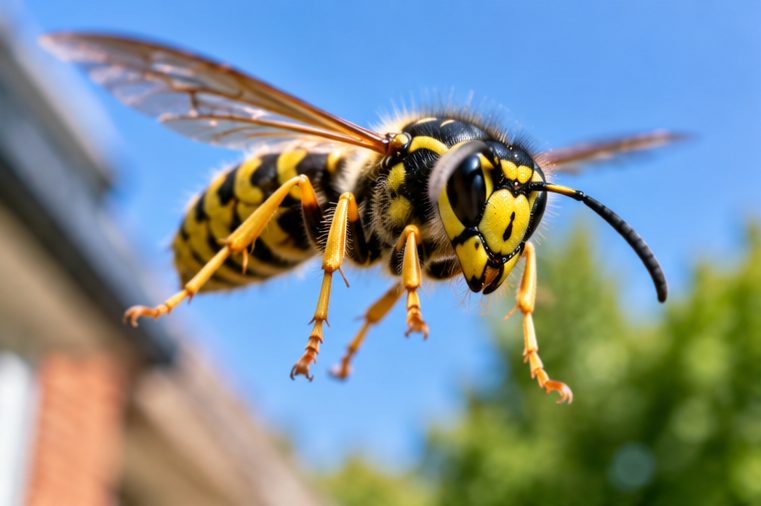
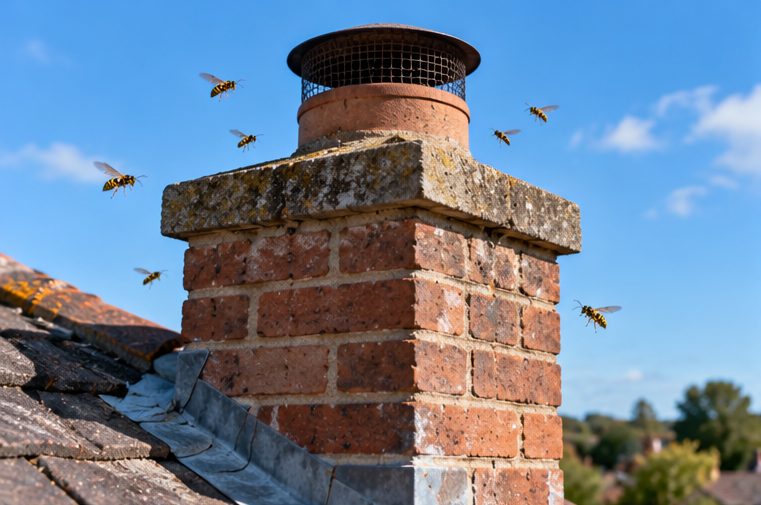
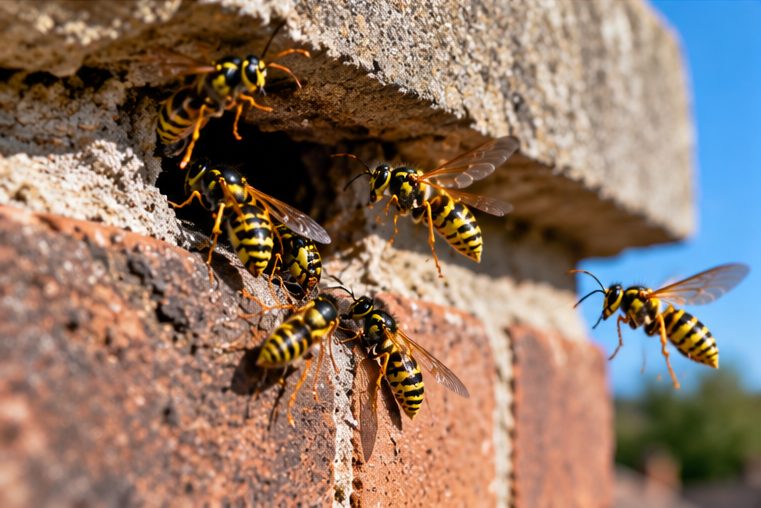
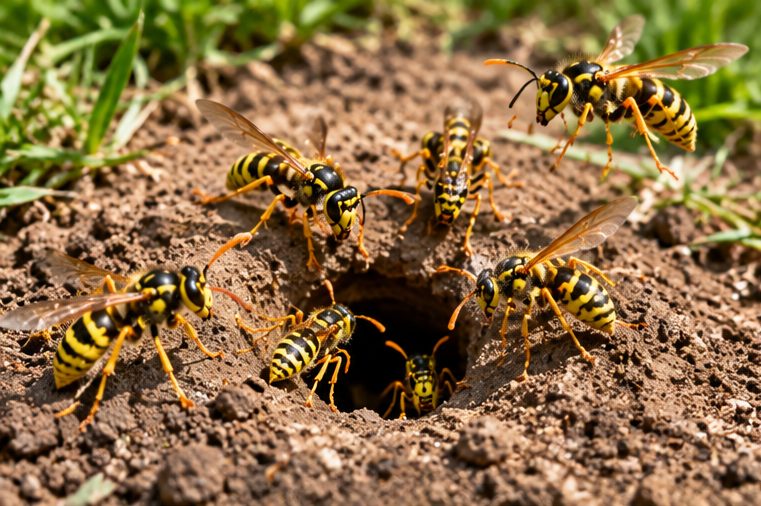
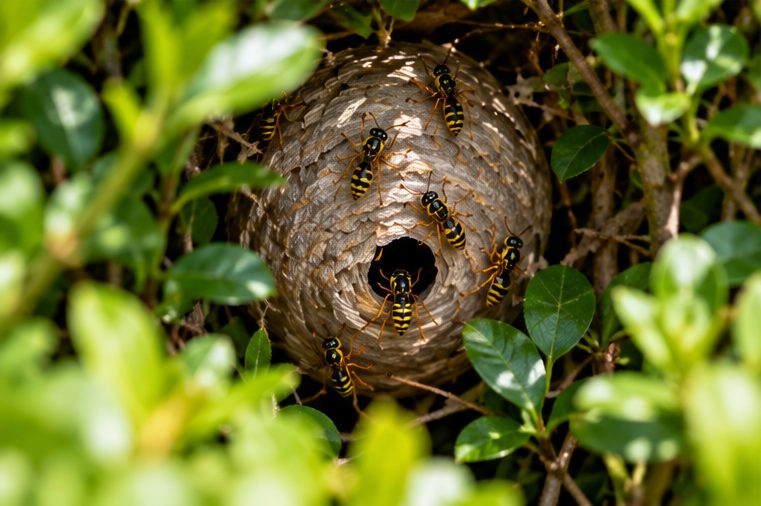
Worker wasps travel in a fairly straight line to and from the nest. If you can stand to one side and see wasps arriving and disappearing at one point — a gap under a roof tile, a hole in the mortar, a crack at the base of a wall — you have almost certainly found the entrance. Several wasps a minute is typical once a nest is established.
Wasps crawling in and out of one gap
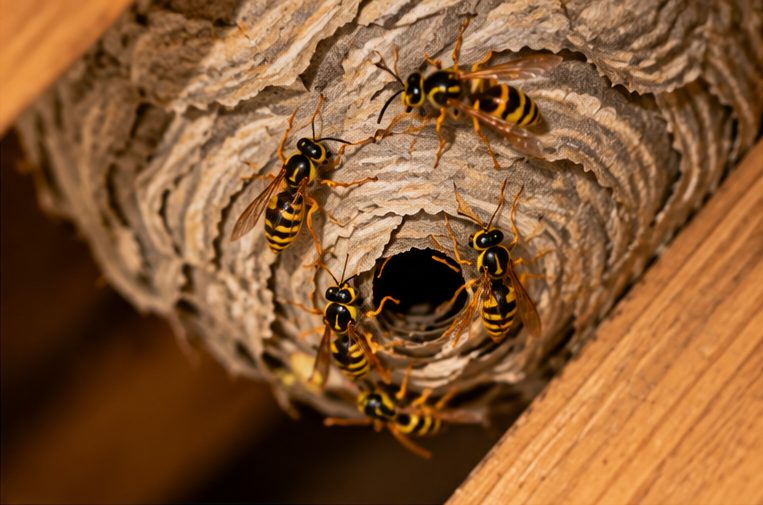
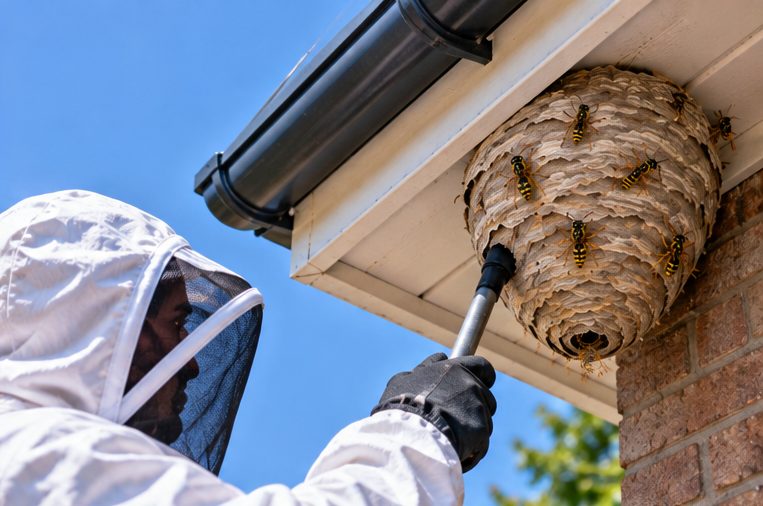
Look along soffits, fascia boards and the edges of the roof, around air bricks and vents, and at the gaps where pipes and cables go through the wall. A wasp that lands and walks into a hole, rather than flying past it, is going home. The full list of spots is in where wasps build nests around houses.
Seeing the nest itself
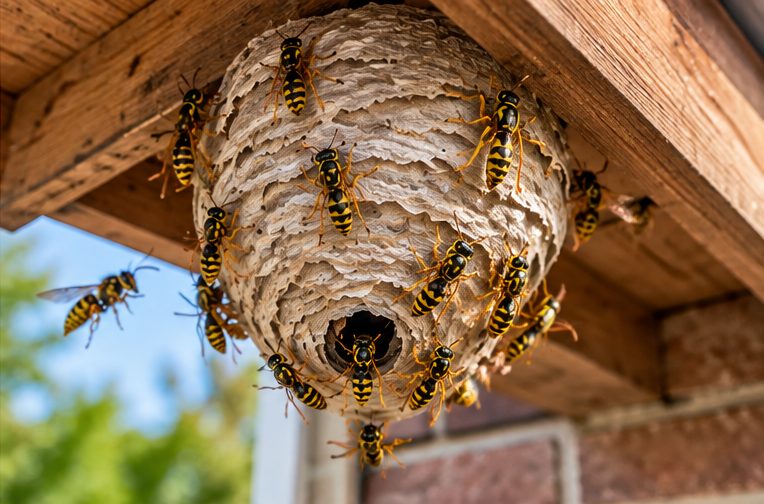
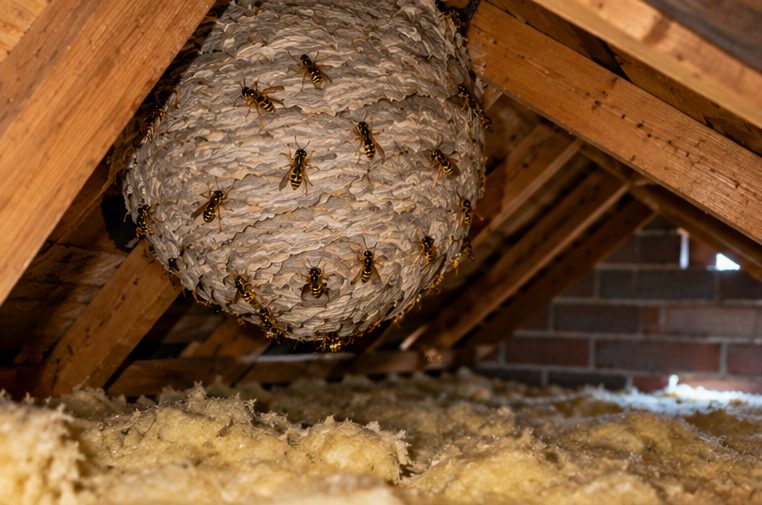
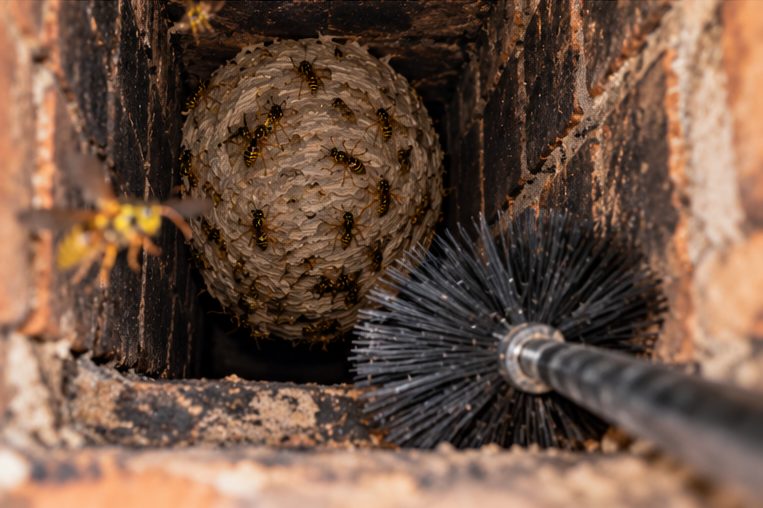
An exposed nest is a rounded, grey-beige ball made of chewed wood fibre, with a scalloped, swirled surface and a single entrance hole near the bottom. In spring it can be the size of a golf ball; by late summer, with room to grow, it can be larger than a football. Many nests are hidden, though, so you may only ever see the entrance.
A dry scratching or crackling sound
In a quiet room, a large nest inside a roof space, wall or ceiling void can be heard as a faint papery rustle. The wasps scrape wood fibre and build constantly. If the sound is louder and comes with thumping at dawn and dusk, the animal in the roof may be a squirrel instead — see squirrel control in Brent.
Wasps turning up indoors
Several wasps a day at the same window, on a landing or near a loft hatch, especially when the windows have been shut, suggests they are coming from inside the building. Ceiling light fittings and gaps around the loft hatch are common exits. If that sounds familiar, read what to do about a nest in the loft.
Chewed wood on sheds and fences
Pale, scraped lines on weathered fence panels, garden furniture or shed doors are where wasps have been collecting nest material. It does not mean the nest is on your property, but a lot of it close to the house is worth a look.
What to do next
Keep people and pets out of the flight line, do not block the entrance, and do not poke at it. Make sure it is wasps rather than bees — how to tell a wasp nest from a bee nest — then book wasp nest removal in Brent. It is £90 fixed price, and if the nest is still active within 30 days, we come back at no extra cost.