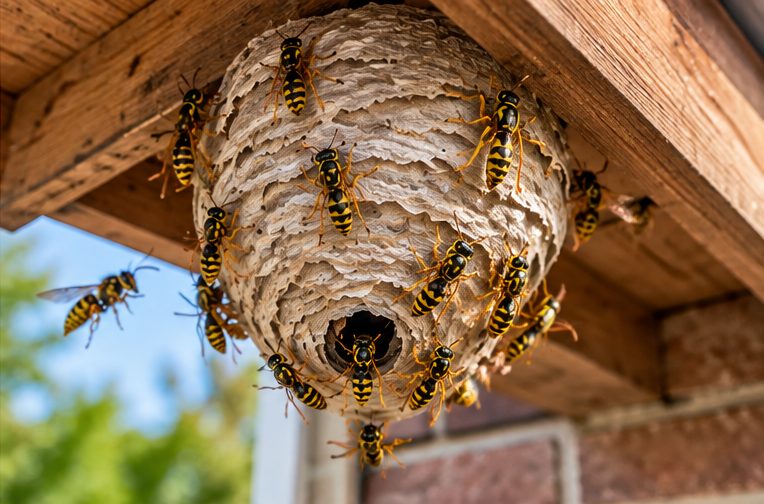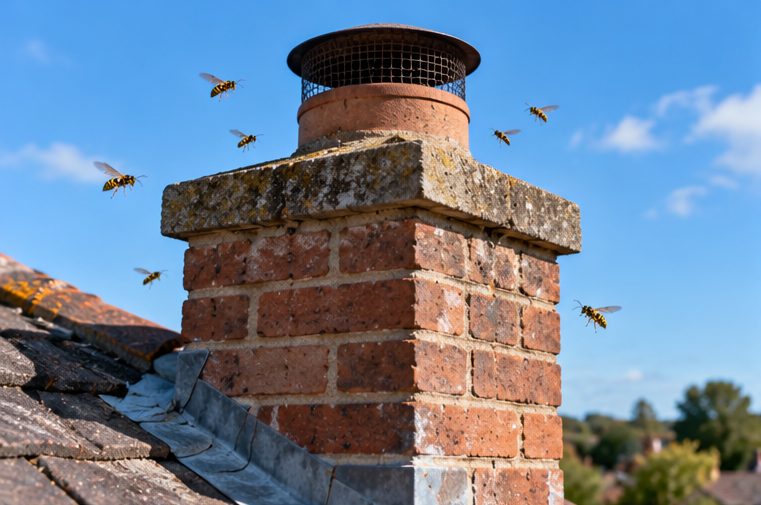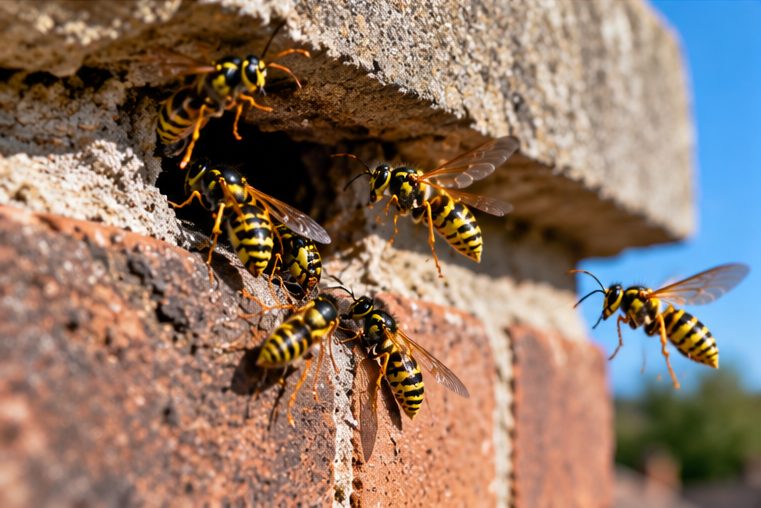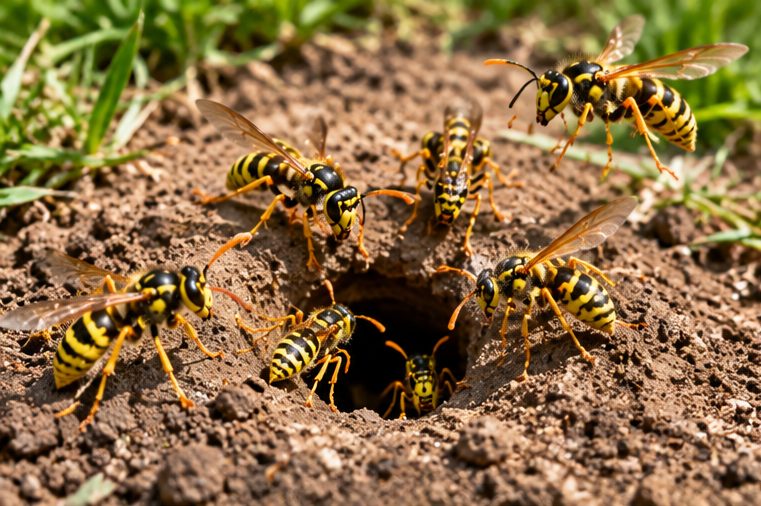
The colony is at its biggest
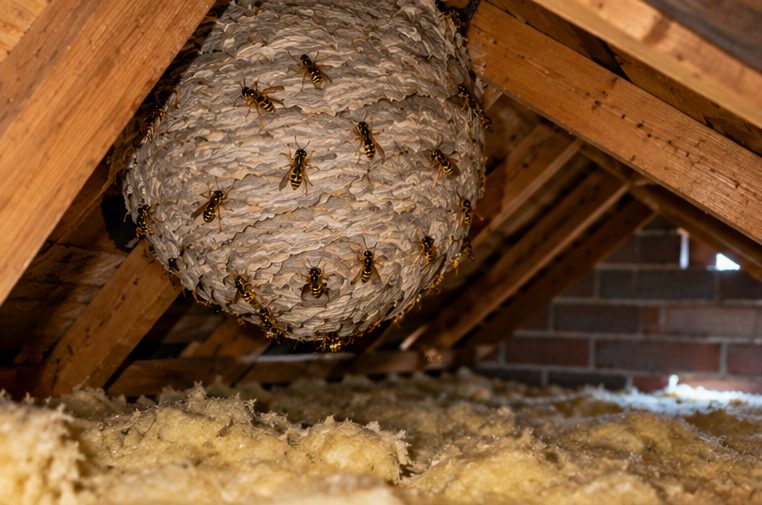
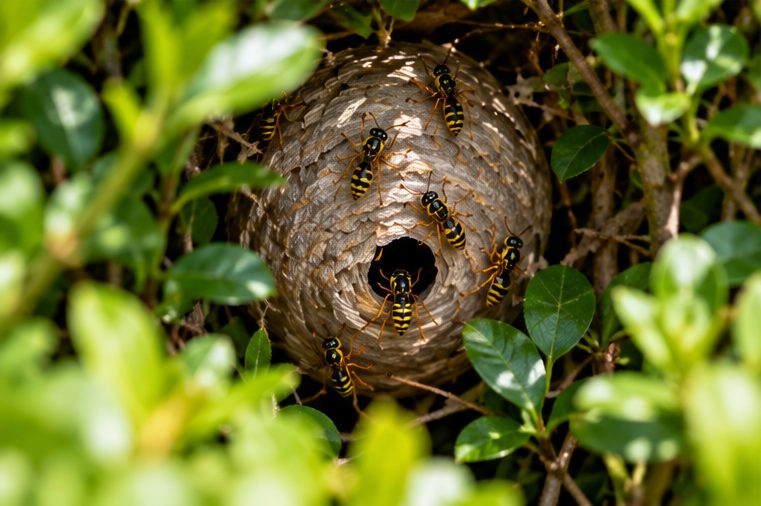
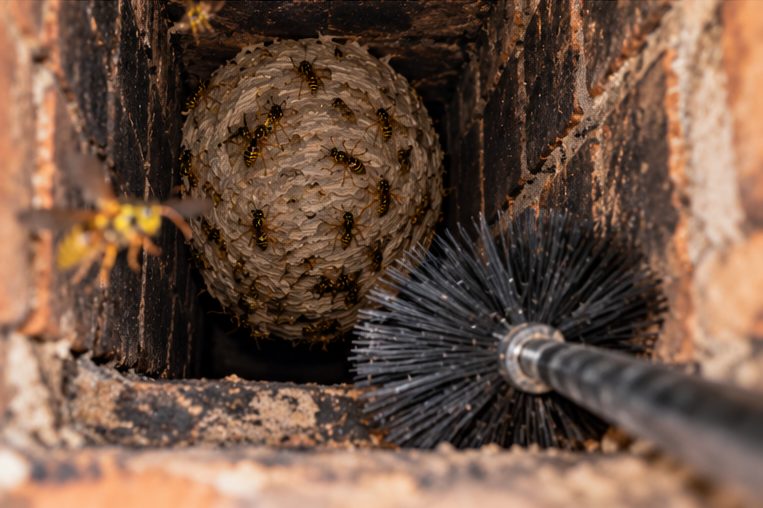
A nest that started in spring with one queen can hold several thousand workers by late summer. More wasps means more foraging, more encounters with people, and a much bigger nest to defend if someone gets too close.
The end of the brood
For most of the summer, workers hunt insects to feed the larvae, and in return the larvae give off a sugary liquid the workers feed on. As the season ends, the colony stops raising workers and turns to producing new queens and males. The workers lose that supply of sugar and go looking for it elsewhere.
The hunt for sugar
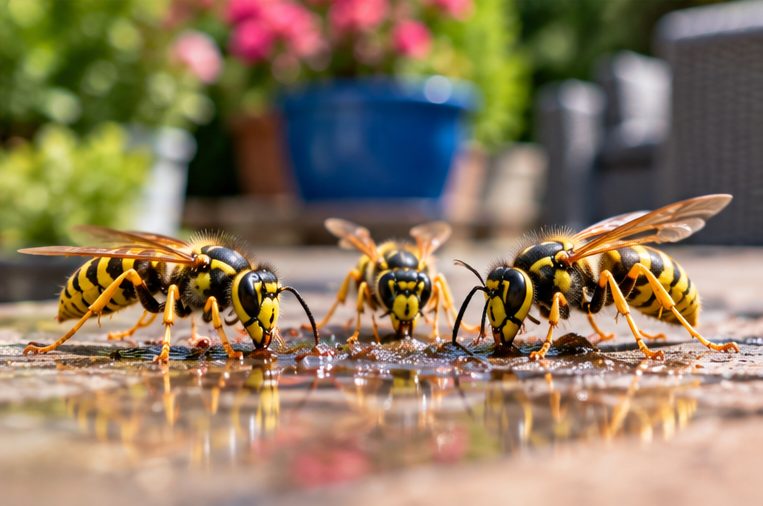
- Ripe and fallen fruit in gardens and parks
- Sweet drinks, ice cream and jam at outdoor tables
- Open bins and recycling with drink cans and food packaging
- Pet food bowls and barbecues
Why they seem to sting for no reason
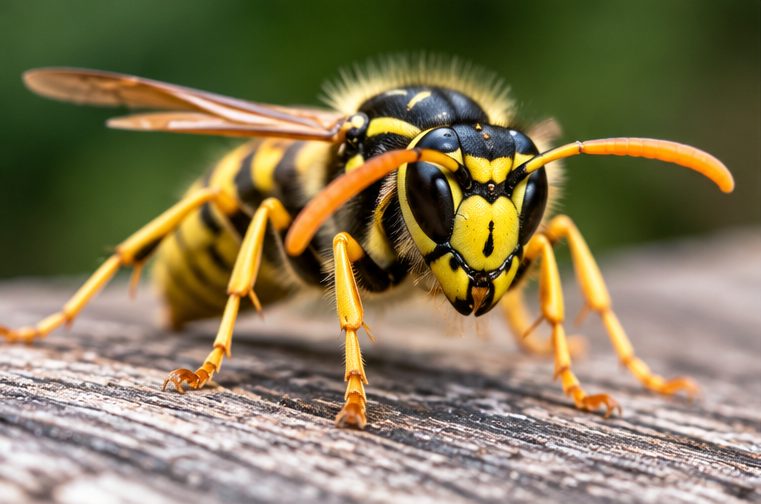
Late in the season, wasps may be sluggish from fermenting fruit or cold mornings, which makes them clumsy and easy to trap against skin. Swatting at them makes things worse: a crushed wasp gives off an alarm scent that draws others in. Moving away slowly works better than flapping.
Avoiding stings in late summer
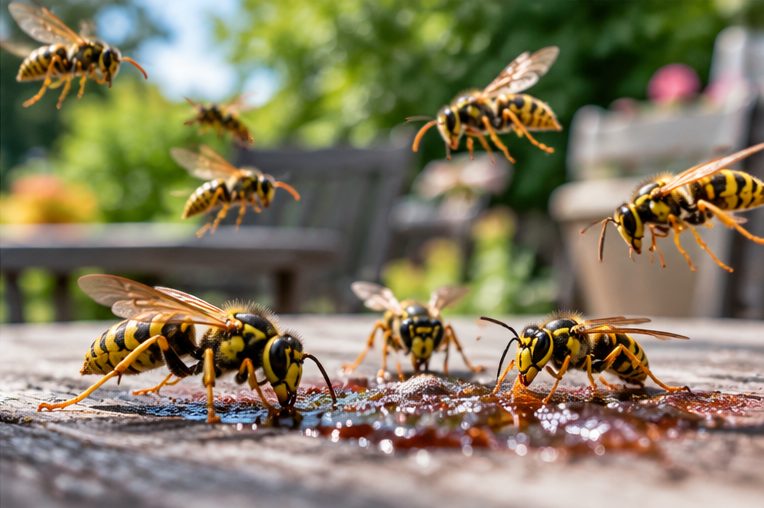
- Cover drinks outdoors and use a straw or a lidded cup
- Pick up fallen fruit and keep bin lids closed
- Clean up sticky spills on garden tables and chairs
- Keep children away from a known nest entrance
- Check a can or glass before drinking from it
If someone who has been stung has trouble breathing, swelling of the face or throat, or feels faint, call 999.
It is not the time to tackle a nest yourself
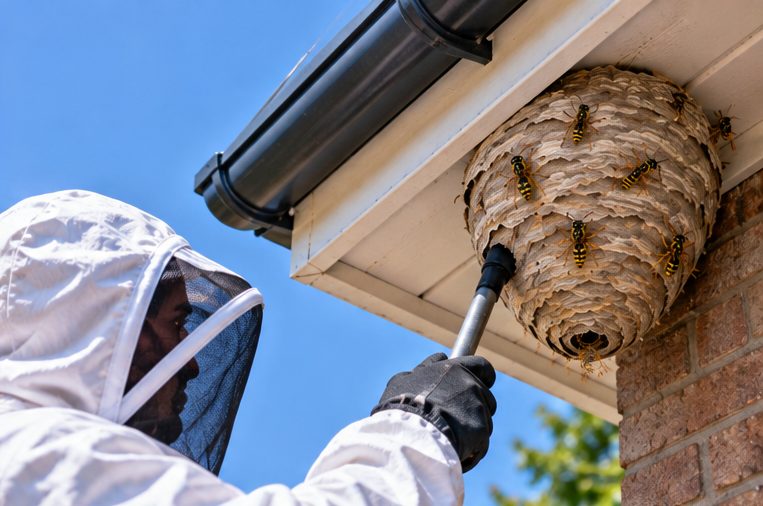
A late-summer nest is at full strength and at its most defensive. Mowing near a ground nest or clearing a shed in September is when many people get stung — see is it safe to remove a wasp nest yourself.
When it ends
Colonies die out with the first proper cold spells, usually in October or November. The new queens leave to hibernate and the nest is abandoned. If the nest is close to a door, a path or a play area, waiting weeks is often not practical. Find out whether you have a nest first.
Getting a nest dealt with now
Wasp nest removal in Brent is £90 fixed price per standard nest, whether it is in a garden in Sudbury or under the eaves in Preston. It is guaranteed: if the nest is still active within 30 days, we come back at no extra cost. Book wasp nest removal and, if you want to plan ahead for next year, read will wasps return.