Watch the flight line before you search
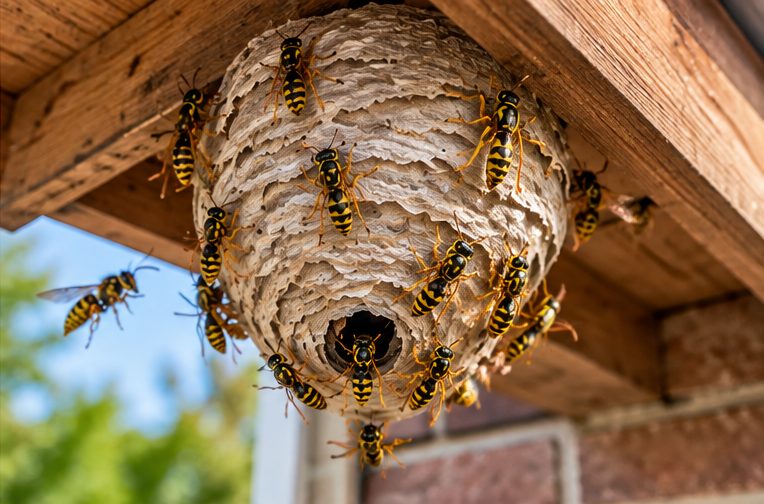
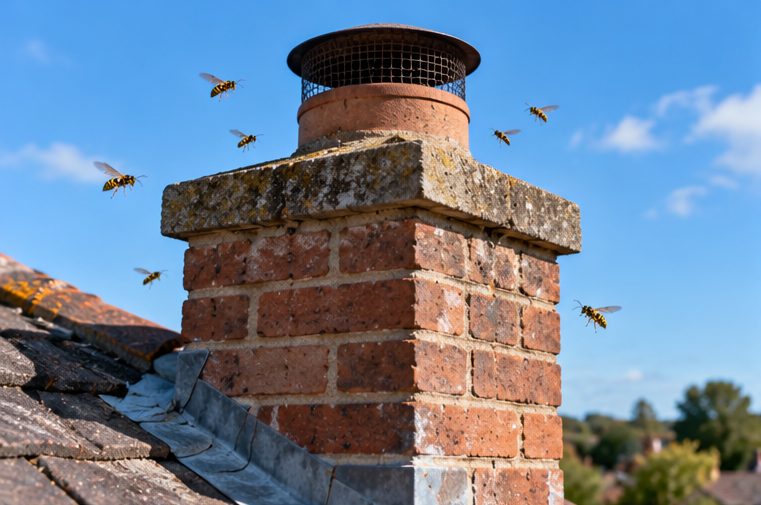
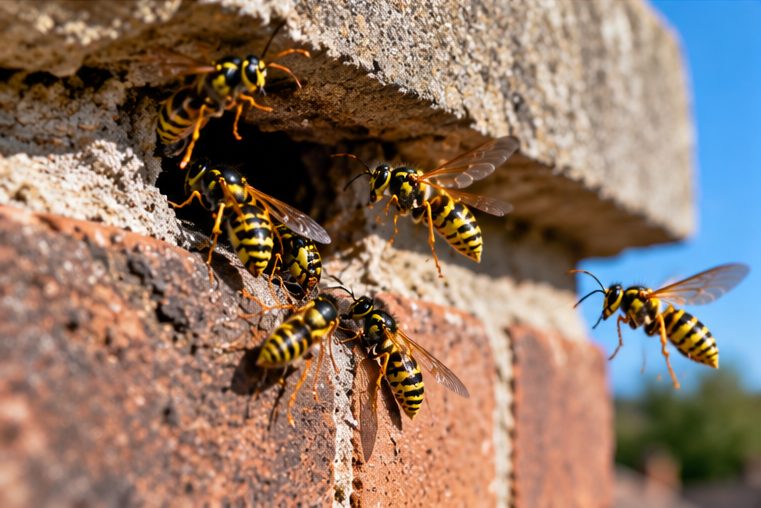
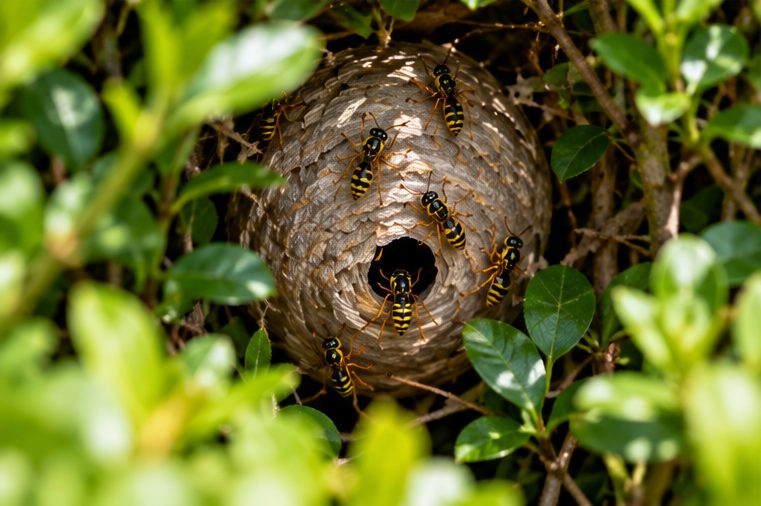
A nest usually gives itself away through repeated traffic to and from the same spot rather than through sight of the nest itself. Watch from a safe distance on a still afternoon and let the wasps show you where to look before you go closer.
Under terraced roof tiles
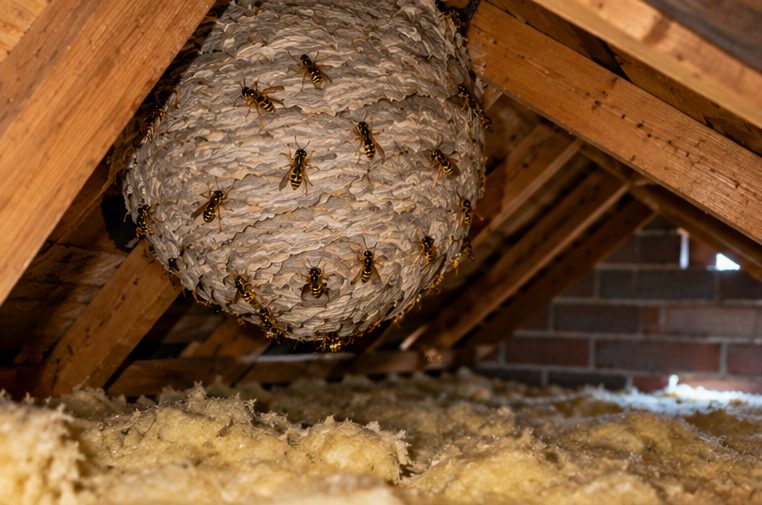
Roof tiles on Bow and Bethnal Green's Victorian terraces slip and loosen with age, and a gap there gives a queen wasp a dry, sheltered cavity to start a nest in spring. A soffit or fascia board showing wasps entering and leaving is the clearest sign.
Communal gardens of converted houses
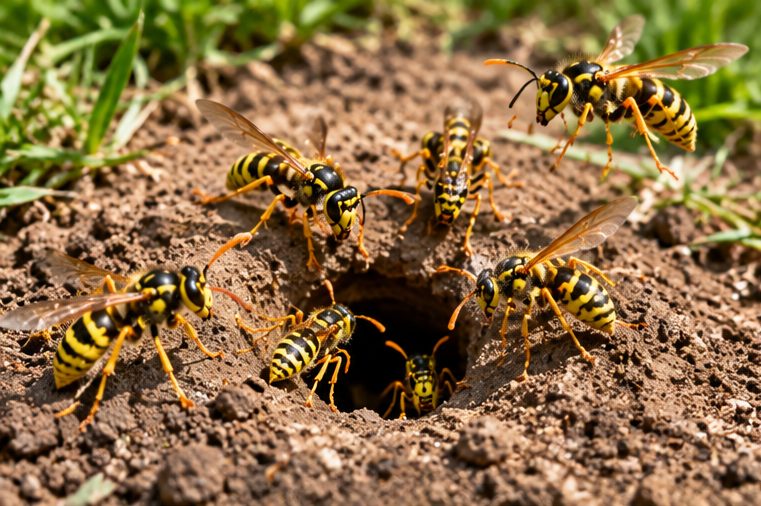
Where a larger Victorian house has been split into flats, the shared garden behind it is often used less intensively than a single-family garden would be, and an undisturbed shed or a compost heap in that space suits a nest well.
Canal-side sheds and yards
Along the towpath edges of Limehouse and Wapping, sheds and outbuildings that sit close to the water and are opened only occasionally give a queen weeks of quiet before anyone notices activity building up.
What to do today
- Keep children and pets away from the flight line
- Keep windows shut on the side where the nest is
- Leave the entrance alone rather than blocking or spraying it yourself
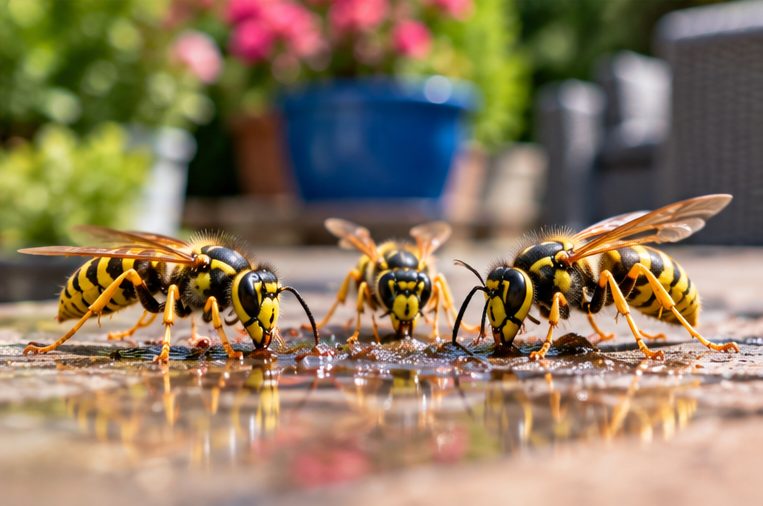
- Clear fallen fruit and sweet drinks from gardens and yards, which draw wasps in late summer
Booking wasp nest removal in Tower Hamlets
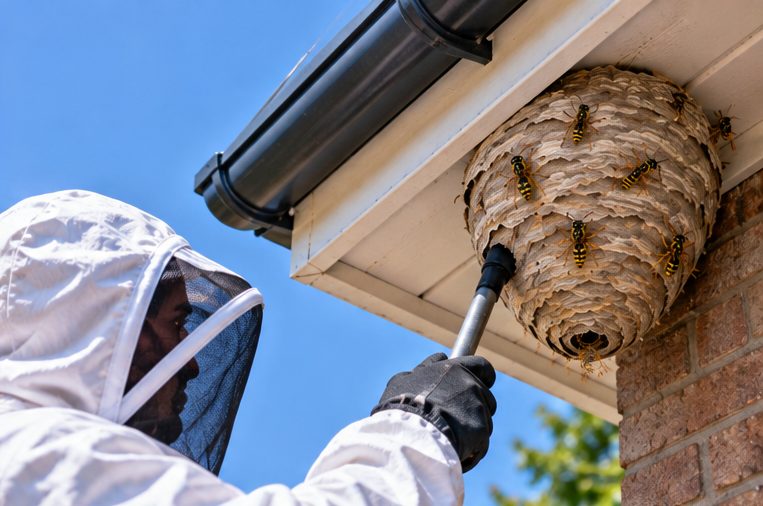
A standard wasp nest removal in Tower Hamlets is a £90 fixed price, guaranteed: if the nest is still active within 30 days we come back at no extra cost, and that applies equally whether the nest turns up near Wapping - where former riverside warehouses converted into flats - or anywhere else nearby, so book wasp nest removal and tell us roughly where the entrance is, with the full terms on the Tower Hamlets wasp nest removal page.