From the forest to the eaves
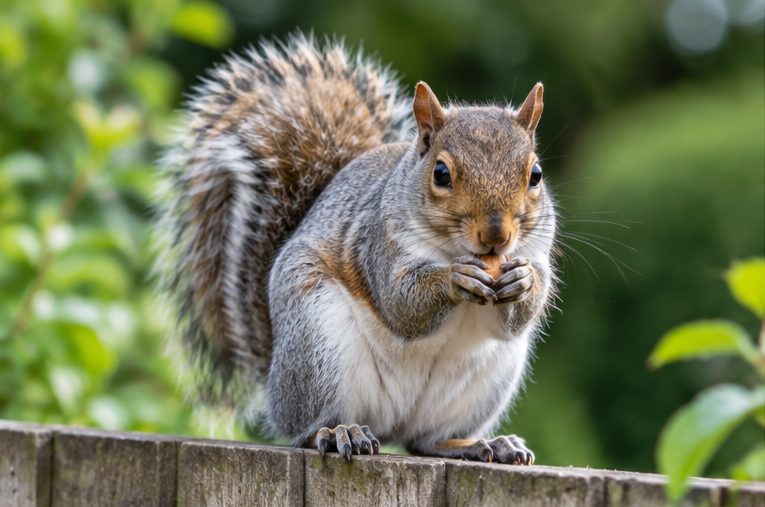
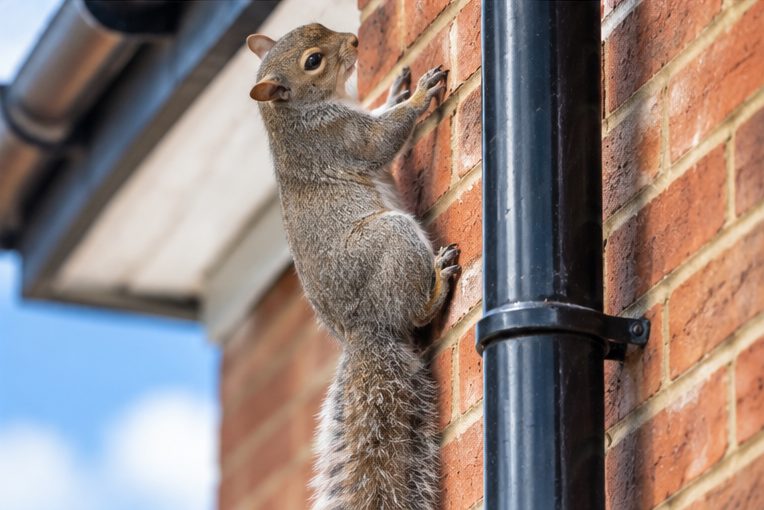
A grey squirrel moves through tree canopies and along fence tops as easily as along the ground, so a house close to Epping Forest's edge, or shaded by mature street trees around Highams Park, has a natural route straight onto the roofline.
Confirming it's a squirrel
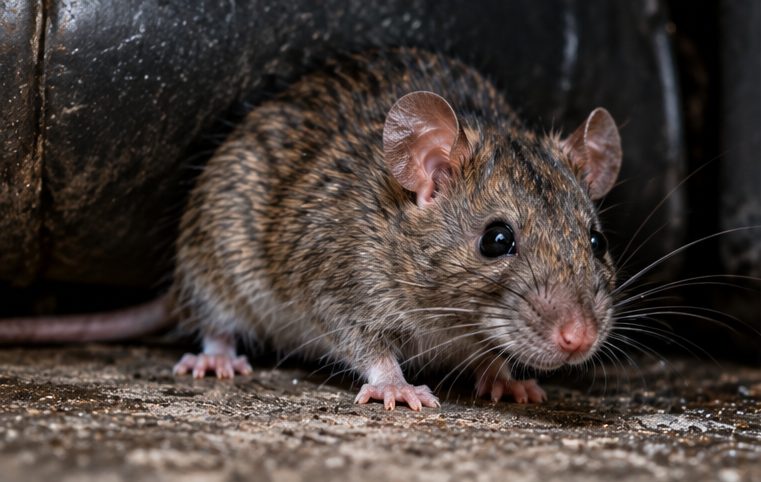
Timing gives it away: squirrels are active by day, so running and thumping around first light and again in late afternoon points to them, while noise through the middle of the night points to rats or mice instead.
Checking for damage
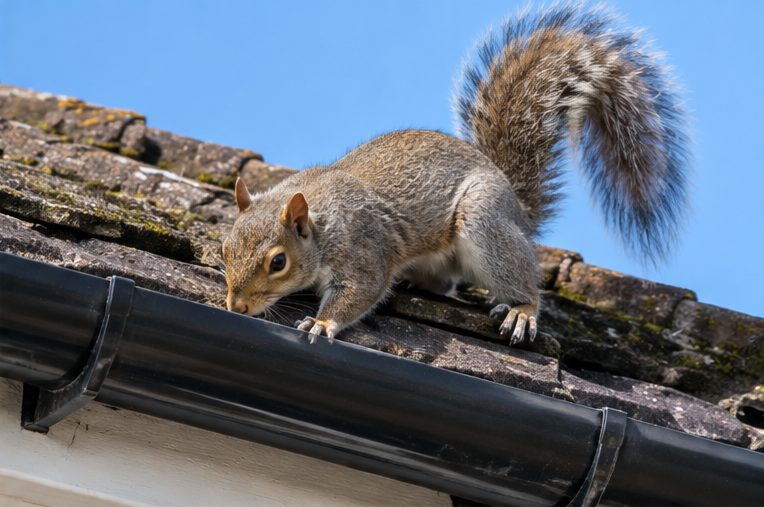
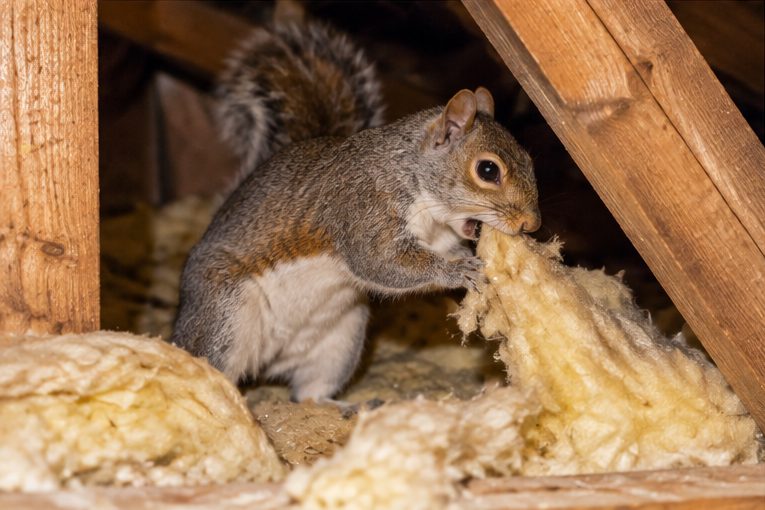
Look from the loft hatch without climbing in, using a torch: flattened or shredded insulation, gnawed timber, chewed boxes and droppings near a water tank. The most serious find is chewed electrical cable, bare conductors are a fire hazard, so leave it alone and have an electrician check it, just as near Chingford, where 1930s interwar semis and later housing on the edge of Epping Forest.
What not to do
- Block the entry hole while a squirrel may still be inside - it will chew a new way out, sometimes into the house
- Put down poison in the loft
- Catch a squirrel and release it elsewhere
That last one is a legal point: grey squirrels are an invasive non-native species, and releasing one once caught is against the law.
Booking squirrel control in Waltham Forest
Our squirrel trapping service in Waltham Forest is £280, and since around Leytonstone, where terraced streets and conversions close to the high road and the tube, it helps to say when you book squirrel control whether the sounds are by day or night and whether trees overhang the roof, with more on the Waltham Forest squirrel control page.