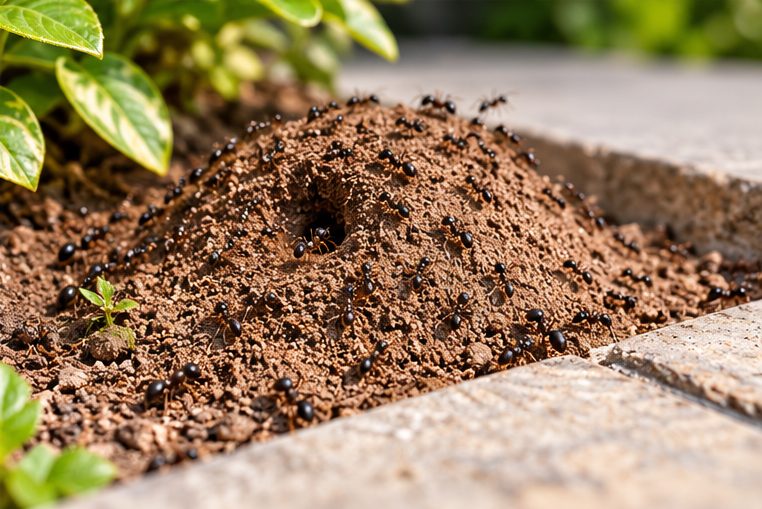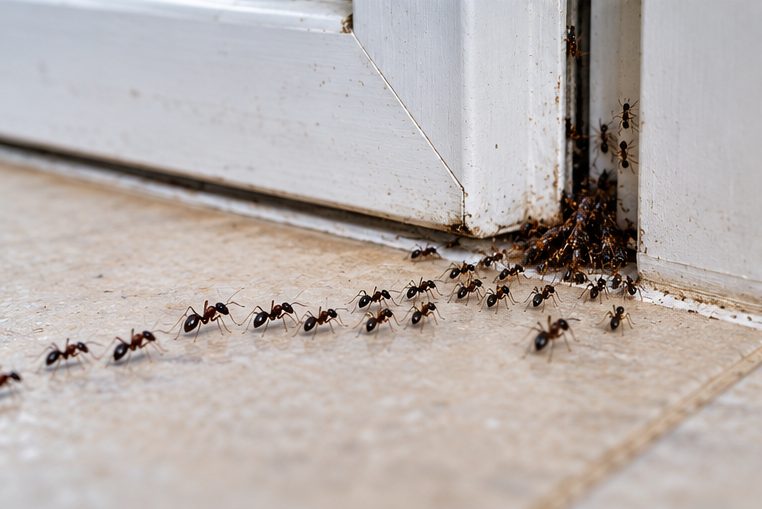
Follow the trail, don't wipe it
The scent trail gets stronger each time a worker repeats the same trip to food and back, so leaving a line alone only makes it busier over time, much as it does near Blackheath, where georgian and Victorian houses around the heath. Tracking where the trail leads reveals the colony's location, whereas cleaning it off only prompts a fresh trail to be laid - the same pattern holds near Thamesmead, where large postwar estates built around lakes and waterways on the borough's eastern edge.
Find the entry point first
Pick a warm, calm point in the day when activity peaks, and simply watch the trail rather than disturbing it as it leads away from the food source, as anyone near Kidbrooke will recognise, where a mix of older estate housing and newer riverside-style apartment developments under the Kidbrooke. A gap at a patio door threshold, pipework entering the kitchen, or the edge of a window frame are the usual routes - mark whichever it turns out to be.
Gardens around Eltham and Blackheath
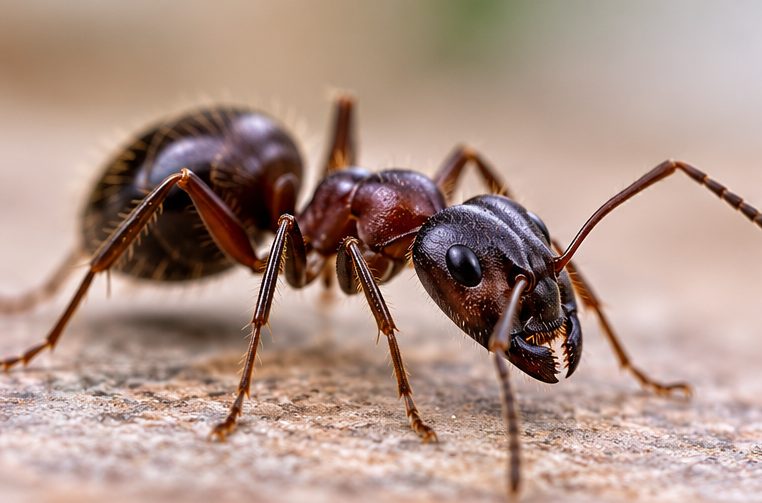
The houses with gardens around Eltham and Blackheath give ants plenty of low-level entry points, and a patio built against a rear extension offers a colony exactly the warm, dry conditions it looks for. The nest itself can sit well away from the house, under a path or at the base of a garden wall.
Newer developments at Kidbrooke Village
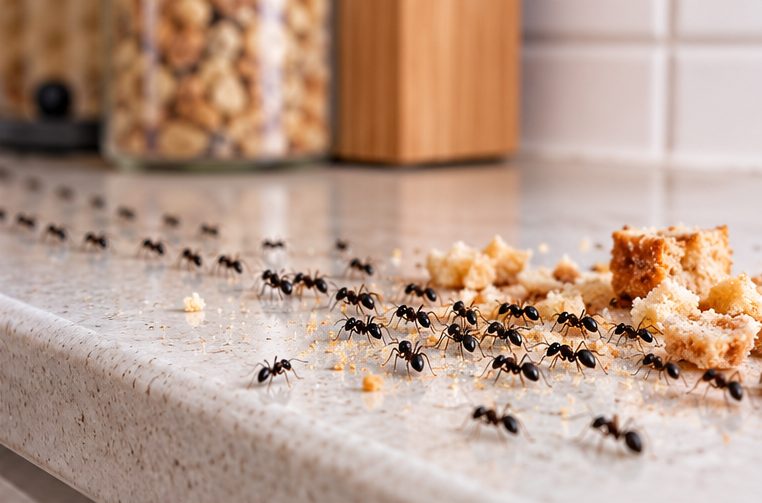
In the newer riverside-style developments around Kidbrooke Village, landscaped courtyards and paved communal areas can offer ants the same warm, dry conditions as a traditional garden, even where individual gardens are smaller than in Eltham.
What to leave alone for now
- Spraying the trail, which kills the foragers and leaves the colony intact
- Pouring boiling water into paving, which can damage mortar and rarely reaches the queen
- Filling the entry gap before the nest is dealt with, which sends the ants to a new gap
- Scattering powders along the trail, which can split a colony into several smaller ones
Closing the way in afterwards
With the colony gone, the last step is sealing the exact gaps the ants were exploiting, a threshold, a pipe hole, a mortar crack, and nothing more, as anyone near Plumstead will recognise, where victorian terraces on rising ground. Weep holes and air bricks should stay clear, sealing them shut only traps moisture inside the wall, as anyone near Woolwich will recognise, where dense converted flats and former barracks buildings.
Booking ant control in Greenwich
Ant control in Greenwich runs £190 for a flat and £220 for a house, and because around Thamesmead, where large postwar estates built around lakes and waterways on the borough's eastern edge, it helps to say roughly whereabouts in the garden the nest might be when you book ant control, with the rest on the Greenwich ant control page.