
Why there is no fixed timescale
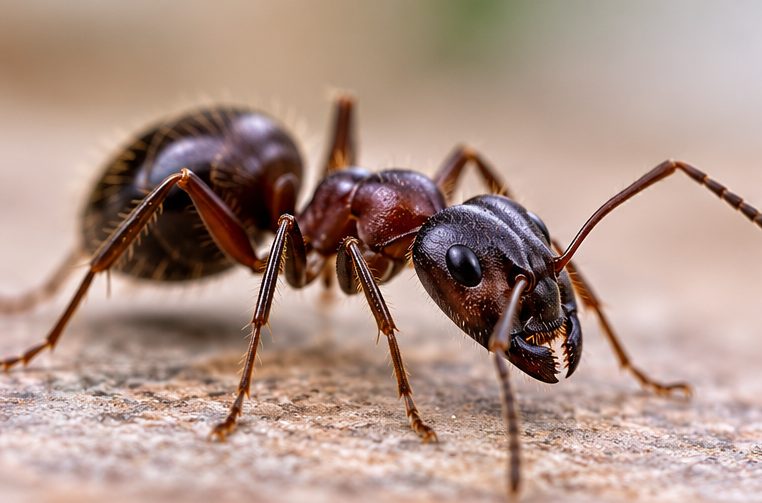
An ant colony is hidden, often beneath a patio or inside the structure, and its size varies enormously. A young colony under a garden path is a very different job from a long-established one running under an extension, or a nest in a heated wall void. Nobody can see how big it is before starting, so any promise of a set number of days would be a guess. The time of year matters too: a colony in full swing in July is not the same as one slowing down in October.
What affects how long it takes
- How large and how established the colony is
- Whether there is one nest or several near the house
- Whether the nest is outdoors, under a floor or inside a wall
- The species, since ants living in heated buildings behave differently from garden ants
- The weather, which changes how actively ants forage
- Whether shop-bought sprays were used on the trail beforehand
Seeing ants after the visit is normal

Ants do not vanish as the front door closes behind the technician. Workers already out in the house keep going for a while, and activity fades gradually rather than switching off. A few ants on the worktop the next morning does not mean something has failed. Keep the kitchen tidy, as a sweet spill can still tempt stray workers in.
Before the visit
Leave the trail where it is that morning rather than wiping it away, so the route can be seen. Clear access to the back door, the cupboard under the sink and the patch outside where you think the nest is. If you can, put pets in another room, and have a note of where and when the ants have been appearing.
What you can do to help
- Keep cleaning the kitchen as normal, but keep your own sprays and strong cleaners away from any areas you are shown
- Follow any specific instructions given on the day
- Keep food sealed so the ants have no easy alternative meal
- Hold off sealing the gaps the ants use until activity has stopped
- Keep pets and children away from any areas you are asked to
Flats and shared buildings
In a block, one colony may reach several homes through shared voids. The landlord or managing agent may need to be involved, and progress in a single flat can depend on what is happening next door. In blocks like those in Wembley, and for housing association tenants in Stonebridge, it helps to tell the landlord early. Tiny pale ants in a heated flat are a special case, explained in Pharaoh ants vs garden ants.
When to get back in touch
If, after a reasonable time, the trail is as busy as it was before the visit, or ants appear in a room where they have never been, tell us. Where the colony was treated but a new one moves into the same patio later on, that is a separate problem, and the entry points become more important. A dated photo of the trail makes it much easier to tell whether things are changing.
Sealing up afterwards
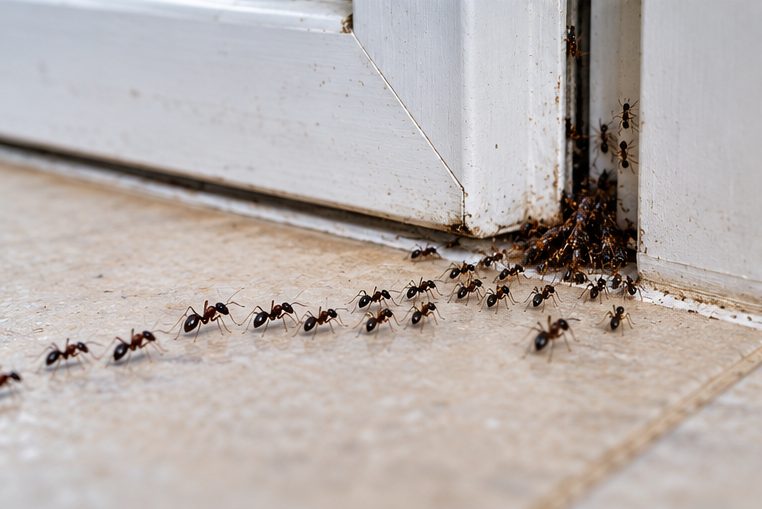
Once activity has stopped, close the gaps the trail used: door thresholds, holes around pipes and cracks where an extension joins the house. The how and when are covered in how to stop ants entering your home.
Booking a visit
Ant control in Brent is £190 for a flat and £220 for a house. Book ant control and include where the ants come in and anything you have already tried. If you have not decided whether you need it yet, read when an ant problem needs professional treatment.