Much of Burnt Oak is the Watling Estate, built in the 1920s as a council cottage estate: brick houses in pairs and short terraces, each with its own garden, and on many roads a footpath running along the backs. A century later, one street can hold owner-occupiers, council and housing association tenants and people renting from a private landlord.
That mix decides who arranges pest control, and this page sets it out plainly. We cover the whole of Burnt Oak, from the estate to the flats above the shops on the Broadway; call 0800 955 2347.
The estate was laid out as cottage housing rather than flats: modest two-storey houses with front and back gardens, grouped in pairs and short rows. The gardens have had a hundred years to mature, and the houses have been extended, re-roofed and re-windowed to very different degrees, so two neighbours in the same row can have quite different weak points.

Houses of this age were built with solid brick walls, not the cavity walls that became standard later. There is no hollow between an inner and outer skin for a mouse to run along, so a rodent that gets in is almost always using a particular gap: a worn air brick where the ground floor is timber, a hole cut for a newer boiler flue or waste pipe, soft pointing at the foot of a wall, or the joint where a rear extension meets the original brickwork. That is good news, because a particular gap can be found and closed. In a terrace the roof spaces and underfloor areas can still connect one house with the next, so a problem next door is worth hearing about.

The footpaths behind the gardens are one of the estate's defining features, and they matter for pests. A narrow path with fences on both sides, bins kept by the back gates, overgrown corners and anything dumped there gives rats cover and food along a whole row. Foxes use the same routes at night. Houses near Watling Park or Silk Stream Park also have mature trees and open grass close by, which brings squirrels onto the roofs. A problem that starts on a shared path is rarely one household's alone, and it goes better when the neighbours along the row keep bin lids shut and report fly-tipping to Barnet Council.
On a single Watling Estate road the answer can change from door to door, because the houses are now held in different ways. Work out which of these applies to you before booking.
You arrange and pay for treatment yourself, as with any privately owned home, and that is the same whether the house was bought from the council years ago or has changed hands several times since. Tell the neighbours if the pest is one that moves between joined houses.

Report the problem to your landlord first, through its repairs or tenancy contact, before arranging anything yourself. What a social landlord deals with, and what it expects tenants to sort out, depends on the landlord, the tenancy and the pest, so ask rather than assume. If you then decide to book privately, keep a note of what you reported and when.
Let your landlord or letting agent know in writing as soon as you find signs. Who pays normally comes down to the tenancy agreement and what caused the problem, so read the agreement before either side assumes. Tenant or landlord can book with us; we only need to know who to speak to and how to get in.
A landlord letting a house on the estate can book directly and pass us the tenant's name and number. Mention if the house is let room by room or has a lodger, because it changes how many rooms are involved and who needs to be at home for the visit.
Burnt Oak Broadway runs along the A5, the old Watling Street, close to Burnt Oak station on the Northern line. The flats above its shops sit over businesses with their own kitchens, stock and bins, and they share stairs and service runs with them. The same principle applies there as on the estate: a tenant tells the landlord first, and a leaseholder checks with the freeholder or managing agent who deals with the stairs, the back yard and the shop below.

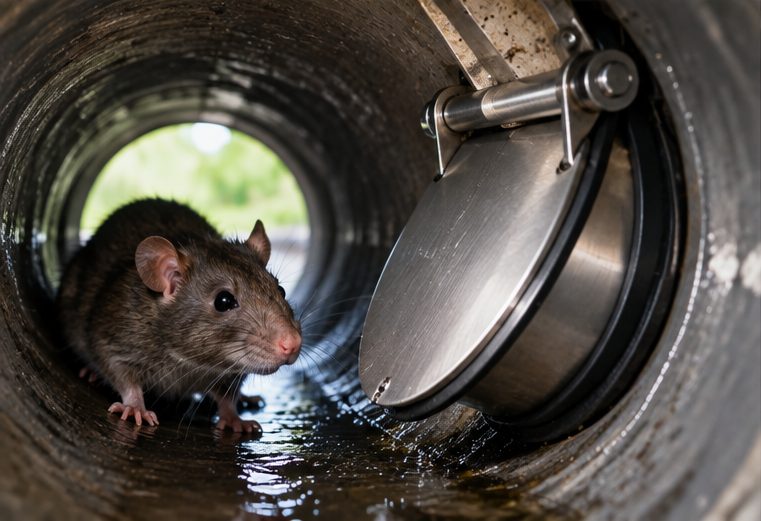


An estate house is £240 and a flat over the Broadway is £190. If rats are using the footpath behind your garden, tell the neighbours along the row too, as a treatment covers the property that books it.
Mice in a Watling Estate house are £240 to treat, or £190 in a flat over the Broadway. In a terrace of cottage houses, ask the people either side whether they have heard scratching in the loft or under the floor as well.
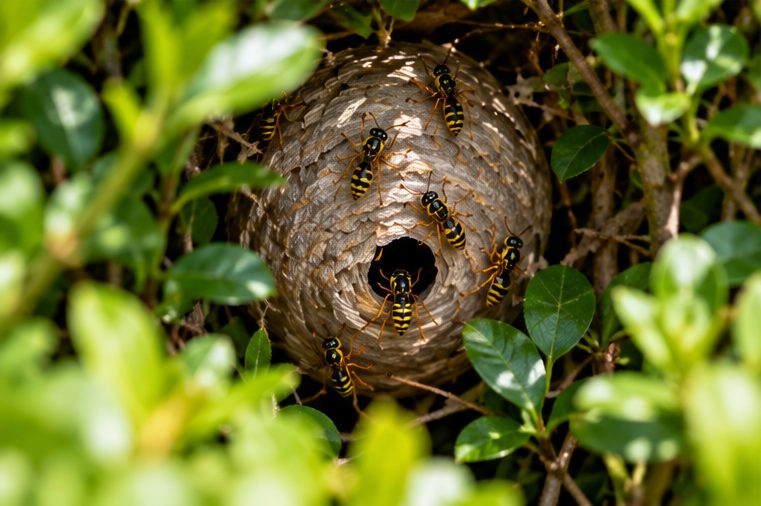
A standard nest is £90 fixed price, whether it sits under the eaves of a cottage house or in a shed at the end of the garden, and if the nest is still active within 30 days, we come back at no extra cost.
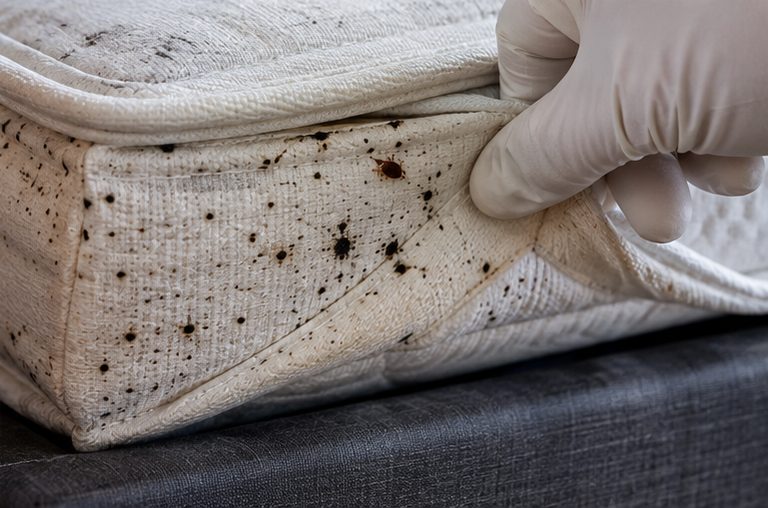
Bed bugs cost £220 for the first room and £120 for each additional room, so a two-bedroom estate house with both bedrooms affected comes to £340. Private tenants should tell their landlord when they book.
Fleas are £180 for the first room and £60 for each room after it. Where foxes cross the back garden at night, the room nearest the back door may be one of those involved, which makes two rooms £240.
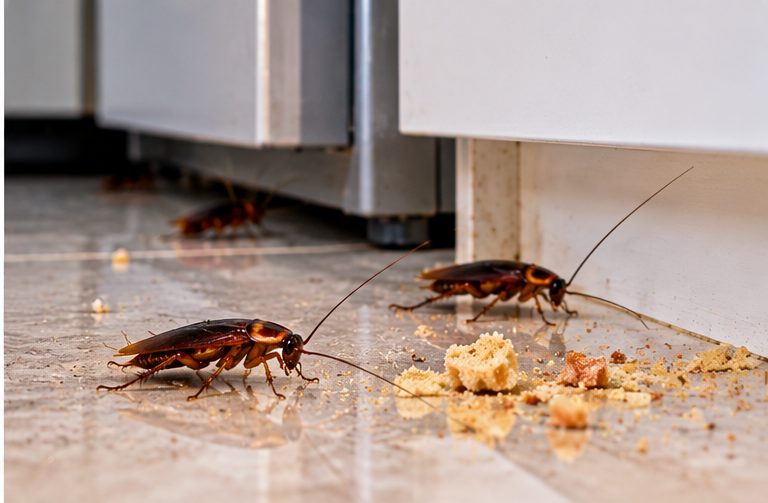
Cockroaches cost £190 to treat in a flat over the Broadway and £240 in a house. They are rarely found in the estate's self-contained houses and more likely in the flats over food shops on the Broadway, where the businesses themselves are quoted per site.
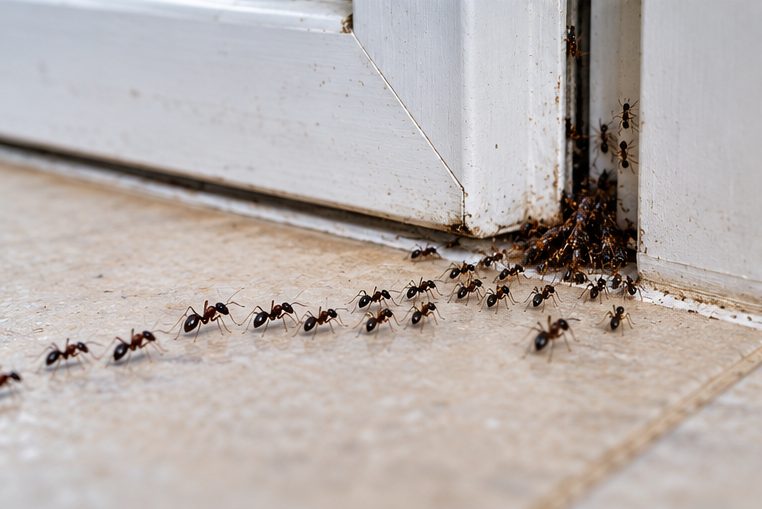
Ants in an estate house cost £220 to treat and £190 in a flat. On the estate the trail tends to start at the back door, where a patio or path has been laid against hundred-year-old brickwork.
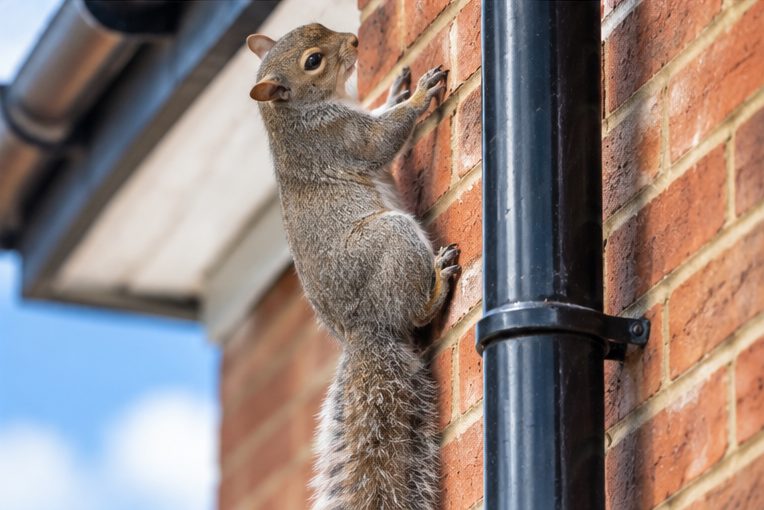
The squirrel trapping service is £280 for any house. Homes facing Watling Park or Silk Stream Park, where mature trees bring branches within reach of the roof, are the ones to keep an ear on.
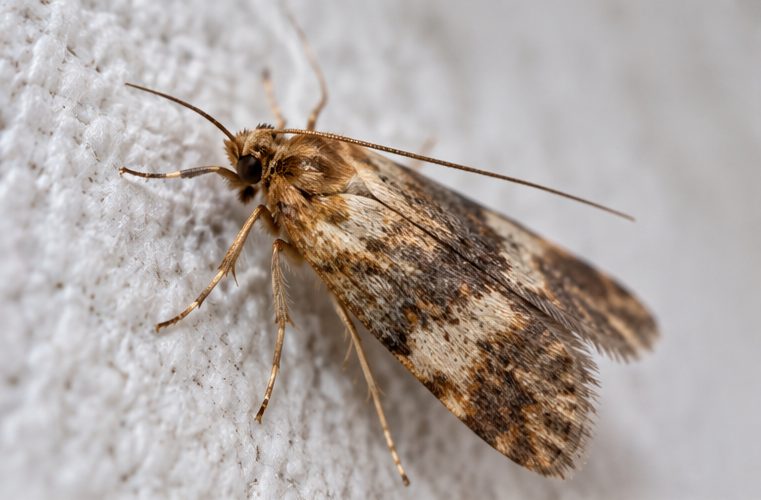
For carpet moths it is £180 for the first room and £60 for each additional room, and a long-owned house with fitted wool carpet in a front room nobody sits in is where the larvae go unnoticed.
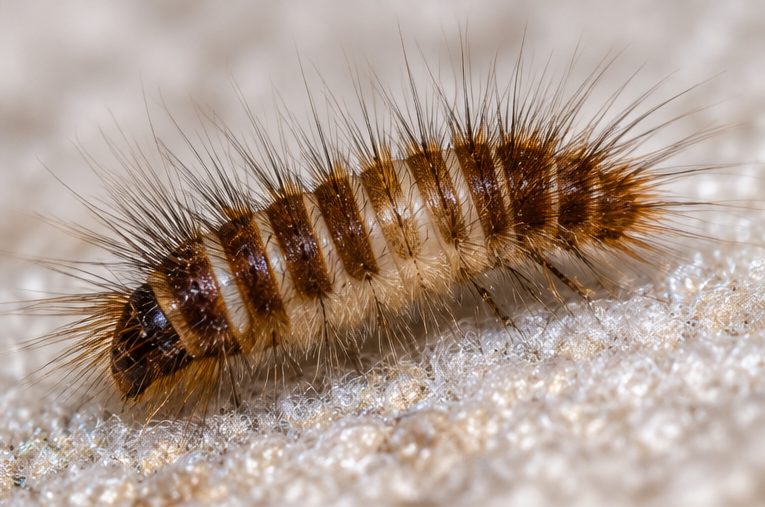
Carpet beetle treatment is £180 for the first room, then £60 for each extra room in the same cottage house. Birds nesting under the eaves of an older roof can be the source, so an upstairs bedroom is a likely place to find the larvae.
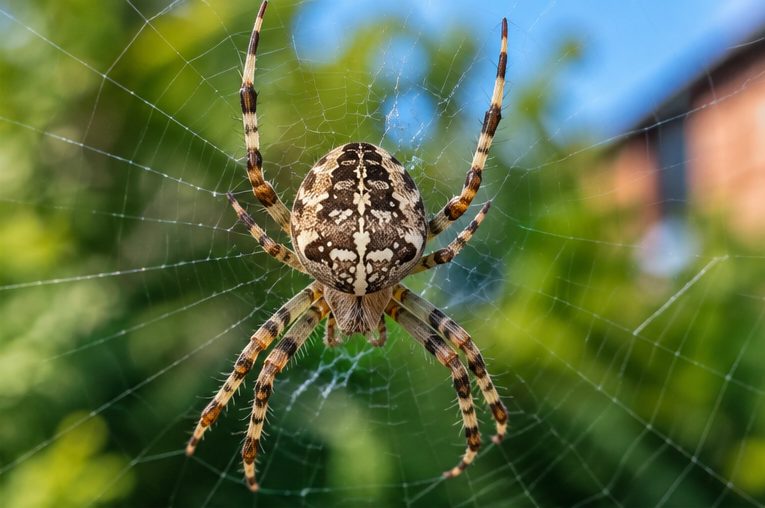
Spider treatment is £180 for the first room and £60 per additional room. A lean-to or rear extension opening onto the garden is where they tend to gather in these houses each autumn.
| Pest treatment | Price |
|---|---|
| Wasp Nest Treatment | £90 fixed price – guaranteed (return visit if the nest is still active within 30 days) |
| Rat Control – Flat | £190 |
| Rat Control – House | £240 |
| Mouse Control – Flat | £190 |
| Mouse Control – House | £240 |
| Cockroach Control – Flat | £190 |
| Cockroach Control – House | £240 |
| Ant Control – Flat | £190 |
| Ant Control – House | £220 |
| Squirrel Trapping | £280 |
| Bed Bugs – First Room | £220 |
| Bed Bugs – Additional Room | £120 |
| Fleas – First Room | £180 |
| Fleas – Additional Room | £60 |
| Carpet Moths – First Room | £180 |
| Carpet Moths – Additional Room | £60 |
| Carpet Beetles – First Room | £180 |
| Carpet Beetles – Additional Room | £60 |
| Spiders – First Room | £180 |
| Spiders – Additional Room | £60 |
| Rodent Proofing | £180 – up to 1 hour, small holes |
The map is provided by Google and only loads when you ask for it.
You can, but report it to the council first, because your tenancy may set out what it handles and how. If you then go ahead with a private booking, the prices on this page apply.
Treatment at your house is for you or your landlord to arrange, and it works better when neighbours along the row do the same. Rubbish dumped on the path can be reported to Barnet Council.
Yes, from the estate roads around Watling Park and Silk Stream Park to the shops and flats along the Broadway.
Prefer to talk? Call 0800 955 2347 or WhatsApp us. Read how we use your details in our privacy policy.