Pests in Childs Hill's Mansion Blocks and Period Flats
An older block of flats behaves like one building, not a stack of separate homes. It has one set of foundations, one roof, one staircase and, very often, one set of drains running out under the basement. When mice, cockroaches or bed bugs turn up in one flat, the useful question is rarely just what is wrong in that flat. It is where in the building they are living, and who is responsible for that part of it.
Built as one structure
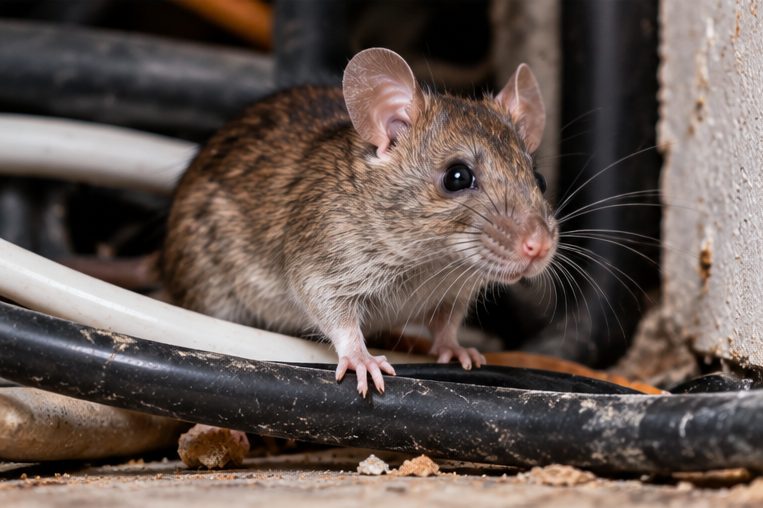
Mansion blocks from the late Victorian and Edwardian years were put up with timber floors spanning between thick walls, chimney breasts stacked one above another, and pipework that has been altered many times since. Old gas and water runs are boxed in, new heating pipes have been threaded through floors, and redundant flues sit behind plaster. Every one of those alterations leaves a hidden passage from one flat to the next, and small animals use them long after the builders have gone.
Basements and lightwells
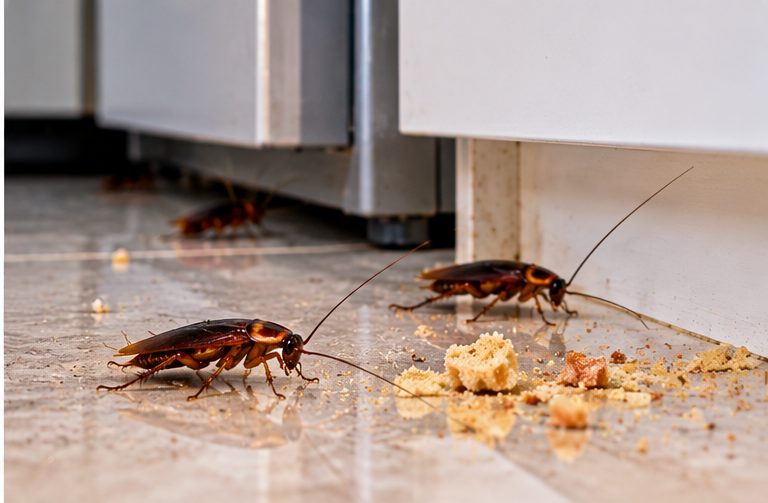
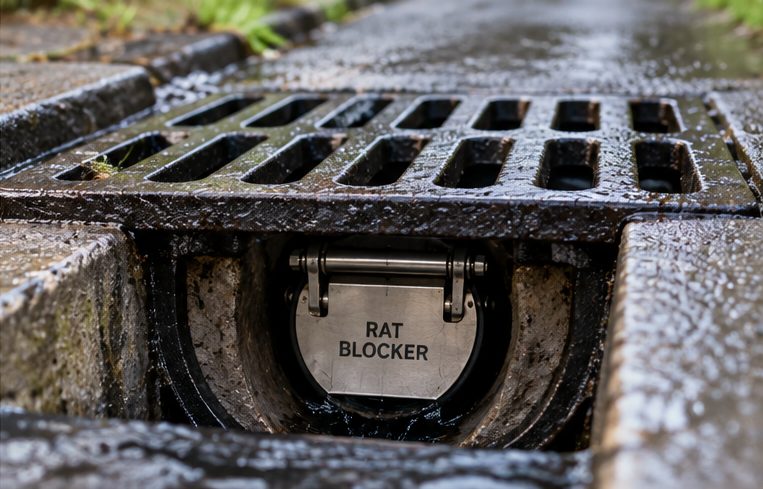
Many of these buildings have a basement or lower-ground floor, lit by a lightwell at the front or back. A lightwell collects leaves and litter, stays damp, and usually has a gully or drain in its floor. That makes the lowest flat the first to meet anything coming up from the drains or across the ground, and the damp, cooler rooms below street level suit some pests that dislike the warmer floors above.
Bin stores and the back of the building
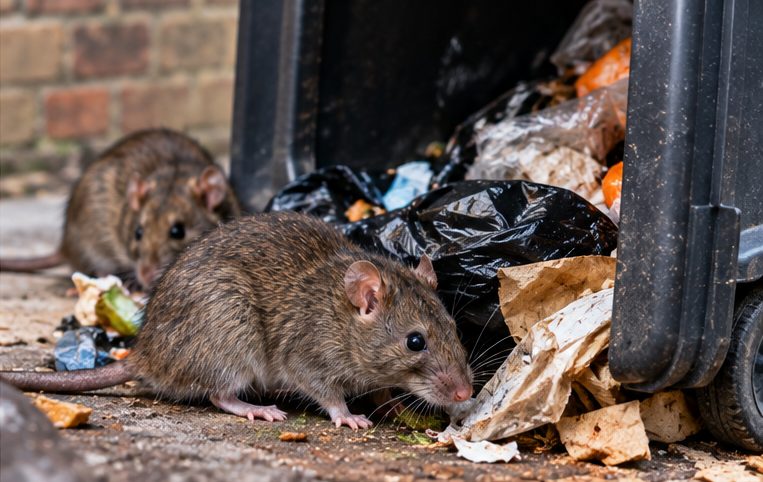
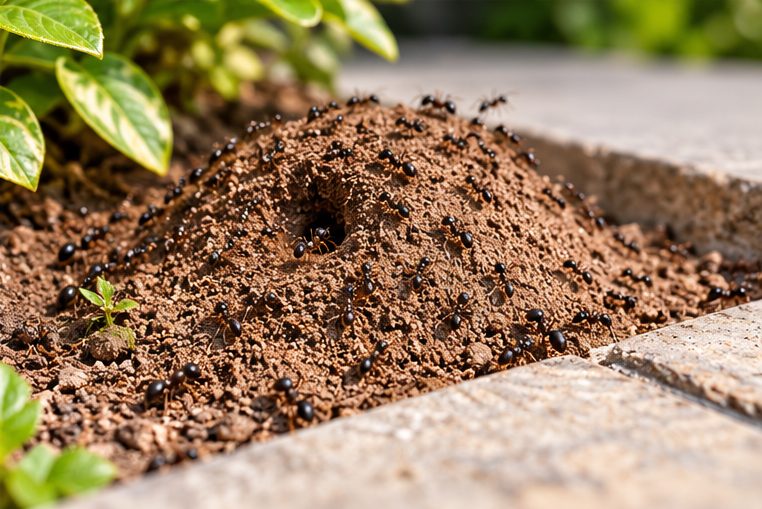
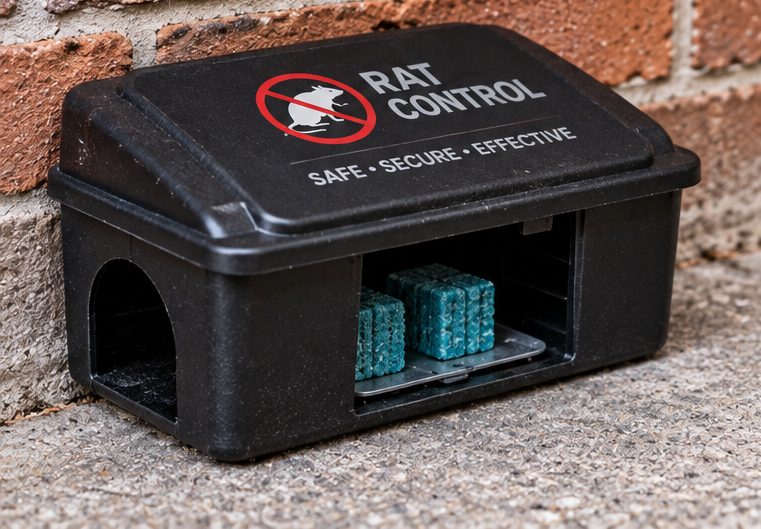
Waste from a whole block ends up in one place, whether that is a bin store at the side, a yard at the rear or a room in the basement. On the days before collection it can hold a great deal of food waste. A split sack or a lid left open feeds rats and mice for the whole building, which is why droppings in the bin area are worth reporting even if your own flat seems clear.
Porters, managing agents and who arranges what
Some blocks have a porter; most are run by a managing agent on behalf of the freeholder or a residents' company. As a general rule, the common parts (the staircase, the basement, the bin store, the roof and the outside walls) are the building's responsibility, and the inside of each flat is the occupier's. Your lease sets out the detail. If you rent, start with your landlord or letting agent. If you own, tell the porter or agent at the same time as you book, because a treatment inside one flat works far better when the common parts are being looked at too.
How a problem travels through an older block
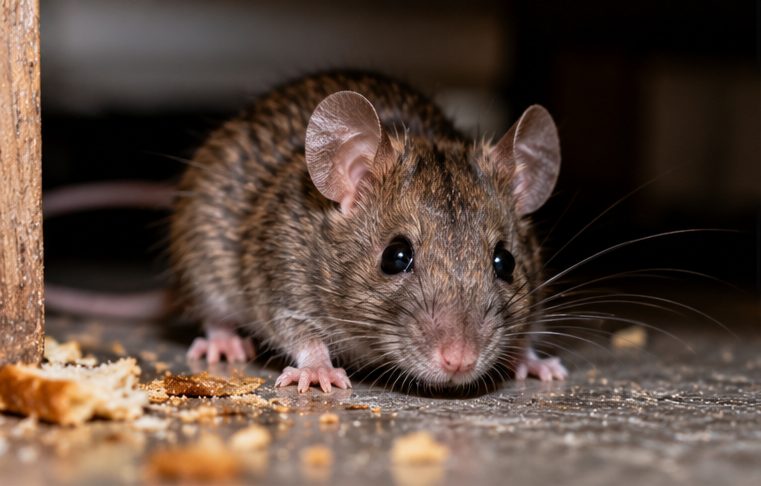
- Mice climb the boxed-in pipe runs and cross under floors between neighbouring flats
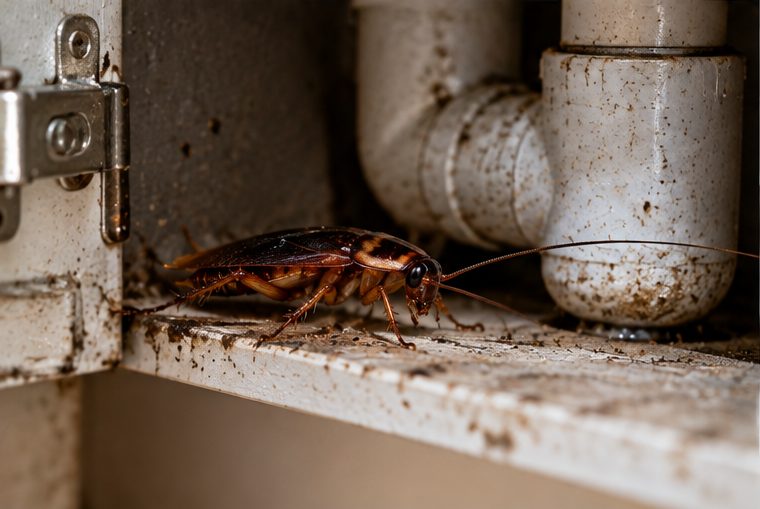
- Cockroaches follow warm heating pipes and settle in damp basement kitchens
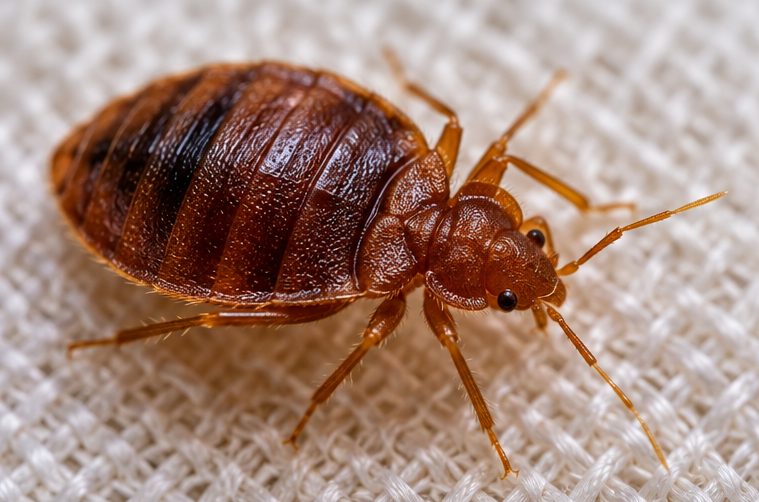
- Bed bugs arrive on furniture carried up the common stair and can move through shared walls
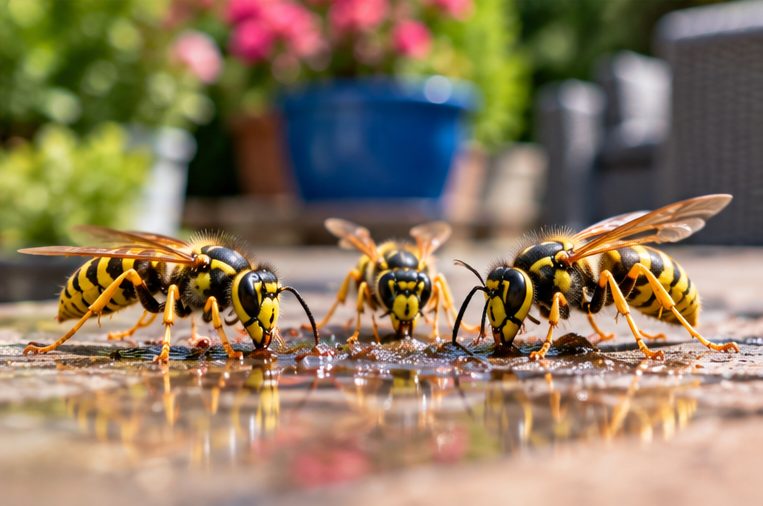
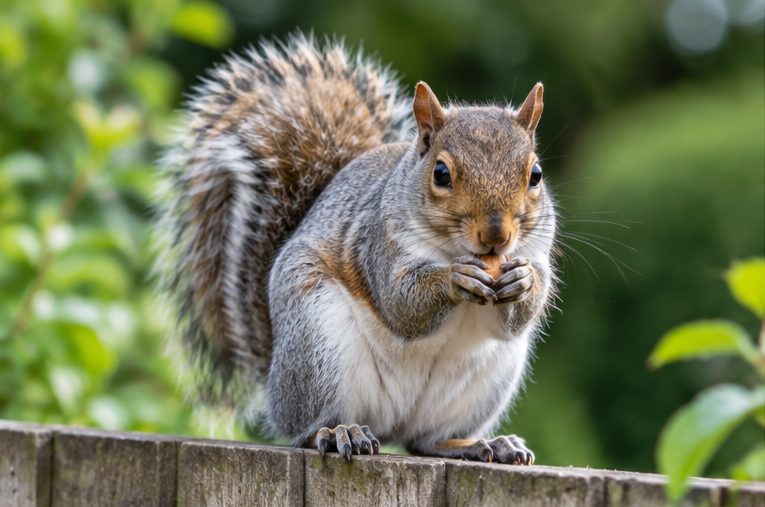
- Wasps and squirrels use the one roof that sits over every top-floor flat
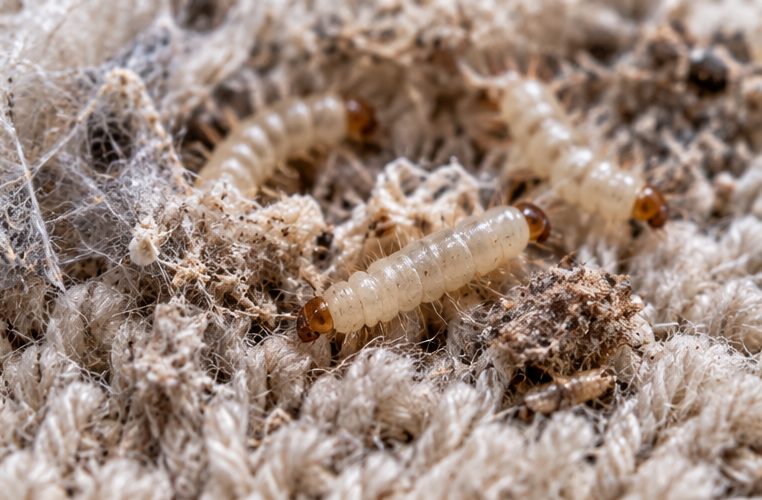
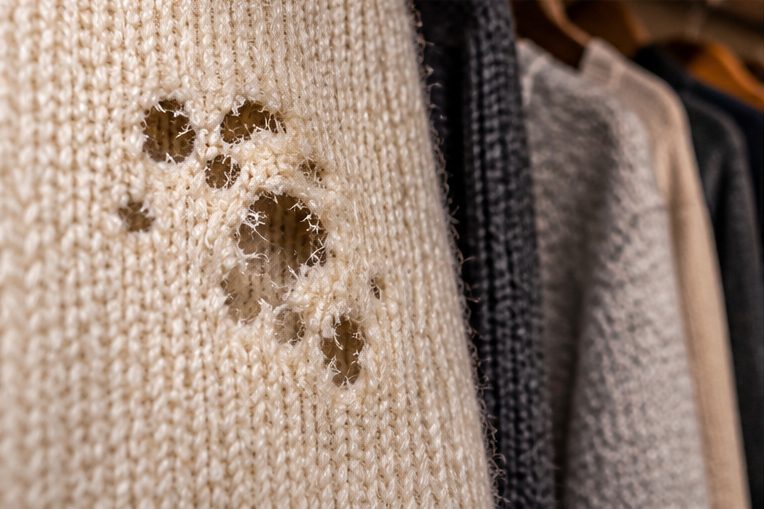
- Moths and carpet beetles feed in wool runners and rugs that nobody lifts
The converted terraces
In the side streets, a Victorian or Edwardian house divided into two or three flats is a small version of the same thing. There may be no agent at all, just a freeholder and the leaseholders sharing the costs of the building. The flats still share a front door, a hallway, a roof and the drain under the garden, so a word with the other flats is usually the first step.
What helps when you call
- Which floor you live on, and whether there is a basement or lightwell below you
- Whether other flats in the block have mentioned the same thing
- Who manages the building, and whether a porter can give access to the basement or bin store
- Which rooms are affected, since several of our prices are set by the number of rooms