Pests in Finchley's Converted Period Houses
Walk out of Finchley Central, West Finchley, Woodside Park or East Finchley station and the streets closest to the platforms are mostly Victorian and Edwardian terraces and semis. Plenty of them now hold two, three or four flats behind a front door that was built for one family. The conversion changed who lives where, but it did not change the building: the joists, the roof, the pipes and the voids are still shared, and pests use them as if the house had never been divided.
A flat above a flat
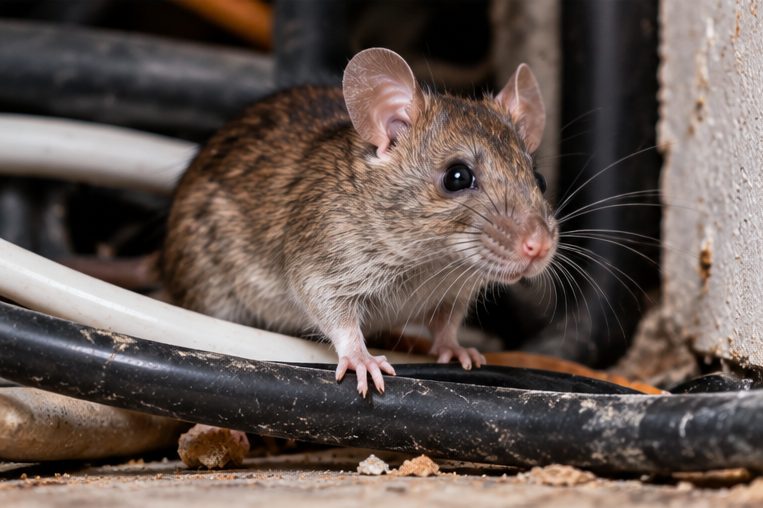
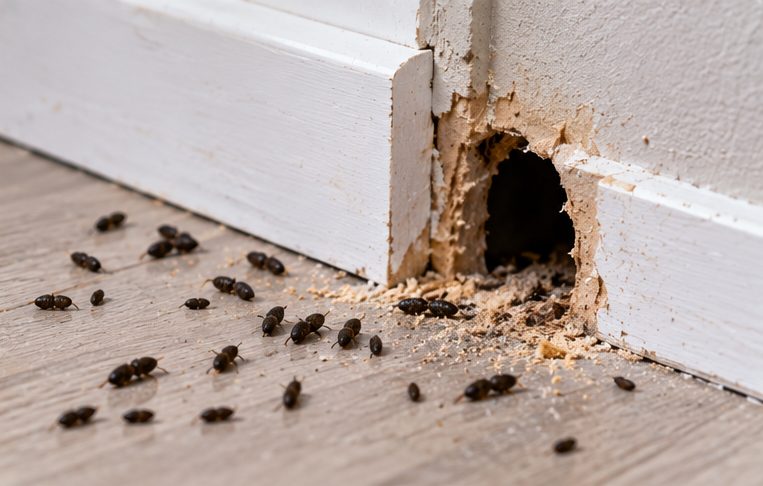
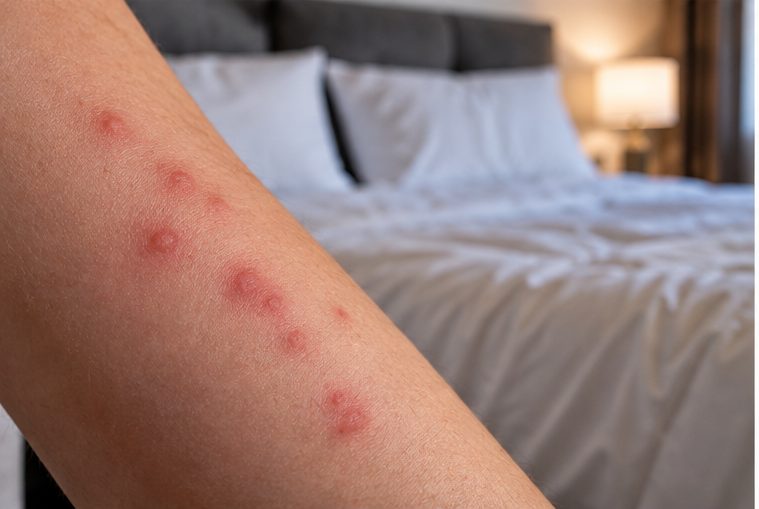
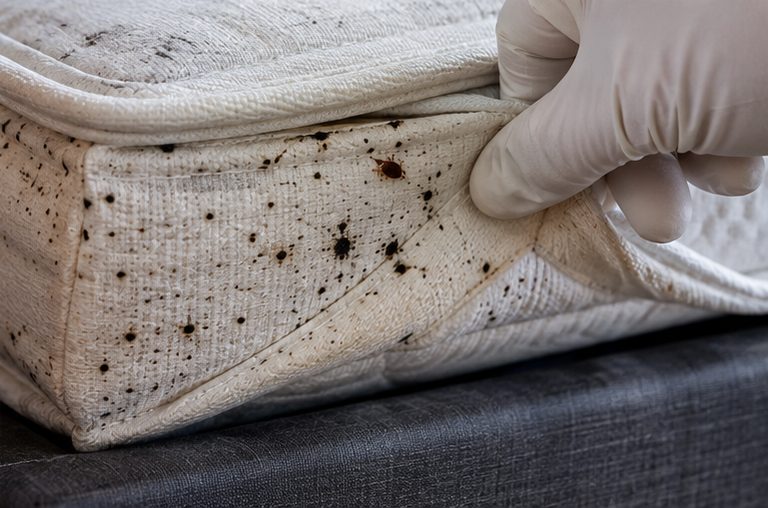
In a converted house, the ceiling of the ground-floor flat hangs from the same timber joists that carry the floor of the flat upstairs. The gap between them runs from room to room and often from the front of the house to the back, with the heating pipes, waste pipes and cables of both flats threaded through it. Mice travel that gap easily. Bed bugs can cross it along pipework. Scratching heard in the ground-floor ceiling may come from something living under the upstairs floorboards, where neither household can see it.
One roof, one loft, several households
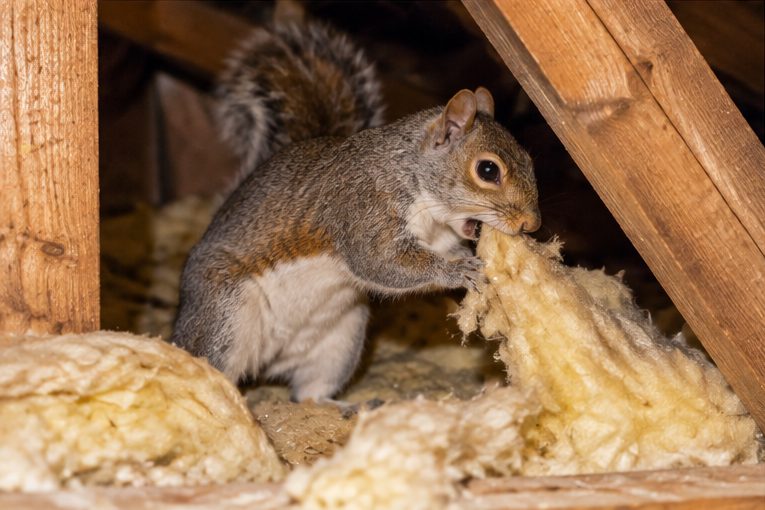
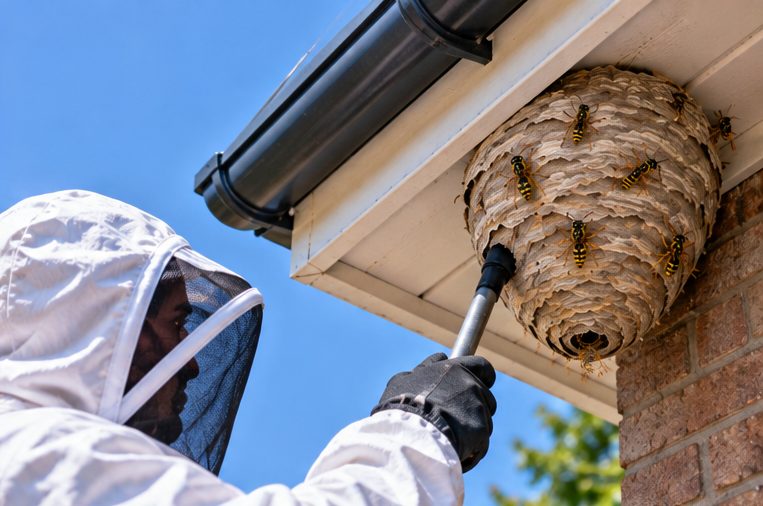
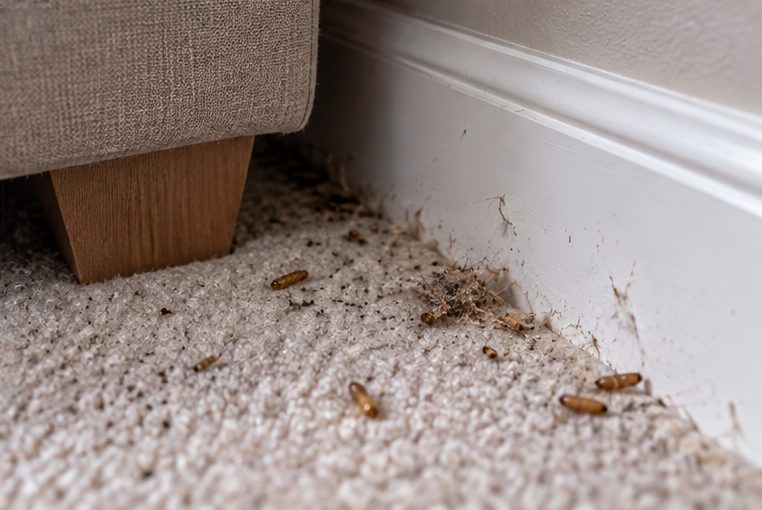
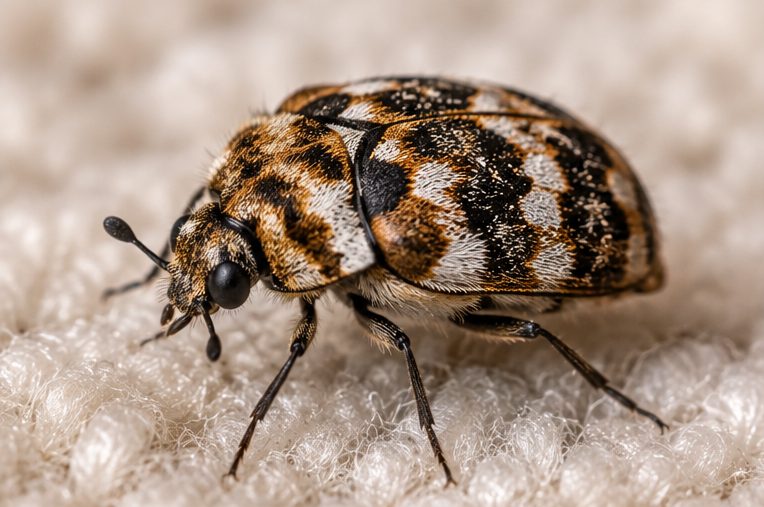
A converted house usually still has one roof and one loft. The hatch may open from the top-floor flat's landing, the lease may put the roof with the freeholder, and nobody else in the building may have been up there in years. Squirrels, wasps in the eaves and carpet beetles feeding in old birds' nests all start in that space, but the people who hear or see them are the ones living directly beneath it.
The ground floor and the garden
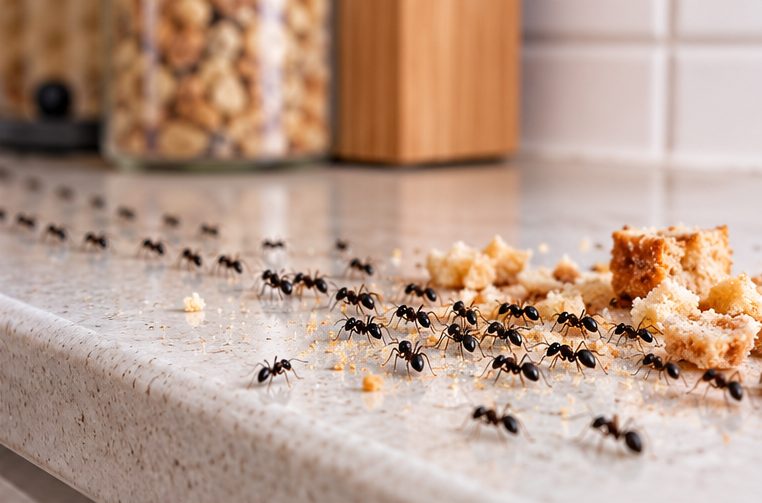
The ground-floor flat normally has the garden, the side passage and the suspended floor with its air bricks. Rats and ants come to it first. The bins, though, are often shared at the side of the house, and what goes into them is everyone's business.
Who Arranges What When a Pest Moves Between Flats
The practical question in a Finchley conversion is rarely what the pest is. It is who should deal with it, and the answer depends on how each flat is held.
Leaseholders and the freeholder
If you own your flat on a lease, the inside of the flat is generally yours to sort out, while the roof, the structure and any shared hallway are generally the freeholder's. The lease decides this, not custom, so it is worth reading the repairing clauses before assuming. In some houses the leaseholders own the freehold together, which means a roof problem is a decision the flats make jointly.
Tenants and landlords
If you rent, tell your landlord or letting agent first, in writing, and say which rooms are affected and whether neighbours have mentioned anything. Who pays depends on the tenancy agreement and the circumstances, so we do not second-guess it. A tenant can still book treatment for their own flat.
Managing agents
Larger conversions and the purpose-built blocks near the stations often have a managing agent acting for the freeholder. They are the right people to hear about the loft, the common parts and anything affecting more than one flat, and they can arrange for several flats to be done in the same period.
When the flats are not all treated together
Each flat is booked and priced as a flat in its own right. That is fair, but it means a pest that moves between flats is best dealt with in every affected flat around the same time. Before you call, it helps to have:
- Which flat the signs are in, and whether other flats have noticed anything
- Who holds the freehold, and the managing agent's details if there is one
- Whether the loft hatch is in a particular flat, and whether its occupier can give access
- Whether the property is rented, and whether the landlord already knows
Away from the stations, the interwar semis on the roads between the three centres behave more like single houses, and the flats over the shops on Ballards Lane and the High Road bring the shop below into the picture.