Living With Dollis Brook at the Bottom of the Garden
West of the High Road, Whetstone falls away towards Dollis Brook. The Greenwalk follows the water, and between the path and the back fences of the nearest houses there is usually a band of bank, scrub, brambles and trees. From a kitchen window it looks like a pleasant view. From the point of view of a rat, a fox or a mouse, it is a long, sheltered road with a row of side turnings, and each side turning is somebody's garden.
What the corridor is made of
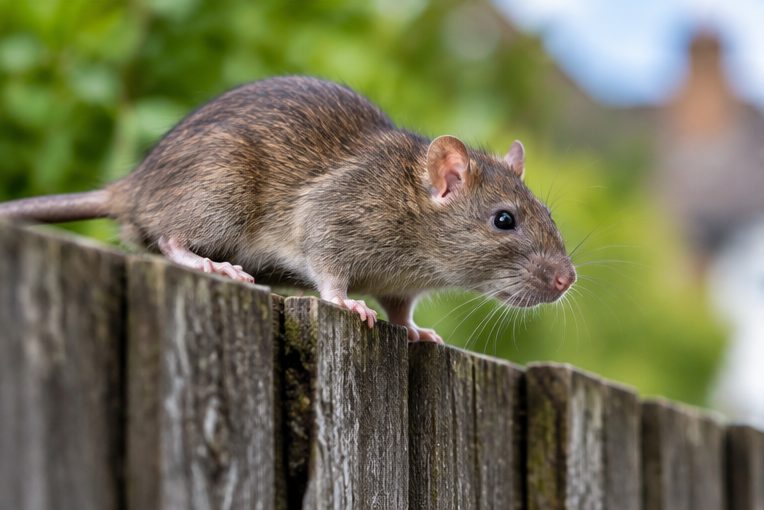
Brown rats swim well and dig readily into soft banks, and a watercourse with cover along both sides lets them move a long way at night without crossing open ground. Foxes use the same strip to travel and to rest. Wood mice live in the undergrowth all summer and look for drier shelter as it turns cold. None of this means the brook is dirty or that anything is wrong with it; it is simply what a green corridor does in a built-up area.
What draws it up the garden
An animal on the bank will come up a garden for the same reasons it would go anywhere: food, shelter and an easy route. A compost heap by the back fence, seed spilling from a bird table, windfall apples, a hutch or run, or a dog bowl left outside overnight all count as food. A shed on bare earth, a pile of cut branches, a stack of paving slabs or an overgrown corner count as shelter. When both sit within a few metres of the bottom fence, the garden becomes the next stop on the route rather than a place passed by.
Brook or Drain? Reading the Signs in Your Garden
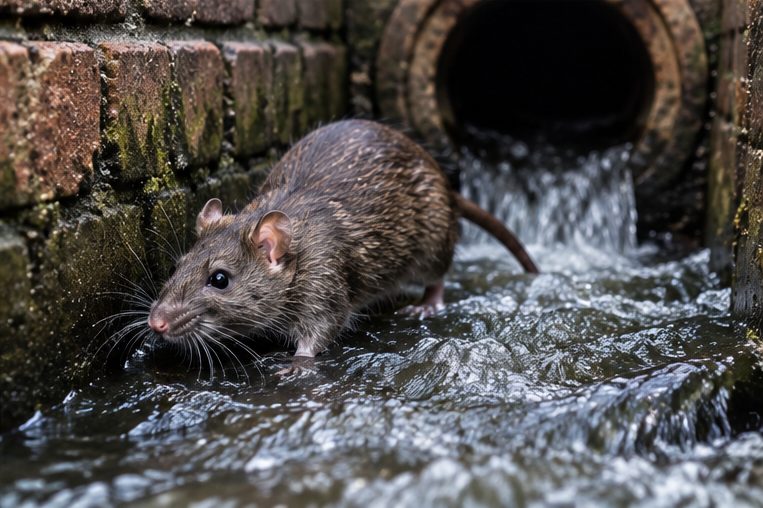
In a Whetstone house near the brook, both explanations are possible, and it is worth knowing which one you are looking at before anyone books anything, because the follow-up is completely different.
- Pointing to the brook: burrows or flattened runs along the bottom fence, a gap under the fence facing the bank, and activity that starts at the far end of the garden and works towards the house
- Pointing to the brook: sightings that rise in autumn or after the bank has been cut back, and neighbours along the same stretch noticing the same thing
- Pointing to a drain: scratching under a ground floor with no hole anywhere outside, droppings near a kitchen or bathroom, and signs clustered at the front or side of the house, well away from the water
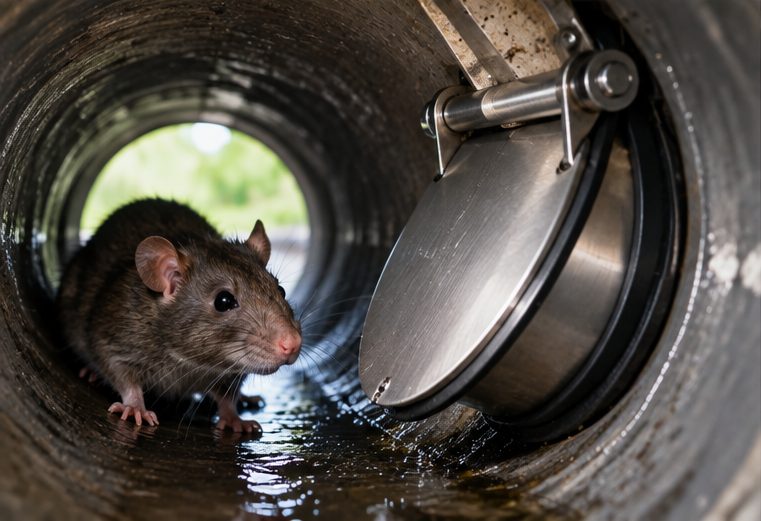
- Pointing to a drain: an inspection chamber with a rat in it, or a lifted cover with debris around it
Sometimes it is both: a house near the brook can still have a cracked pipe under an old extension. Describing where you have seen activity, and how far that is from the back fence, helps us work out which it is.
Why It Changes the Job
A drain fault has an end point. Once a drainage contractor has found and repaired the break, that route is shut. A brook corridor has no end point. Treatment deals with the rats that have settled at your property, but the bank stays where it is and new animals will keep travelling past. So the work after treatment is about two things: making the bottom of the garden less rewarding to stop in, and making sure the house itself has no gap for anything that does come up. How long it takes to settle down depends on the garden, the house and how established the rats were.
Keeping the bottom of the garden quiet
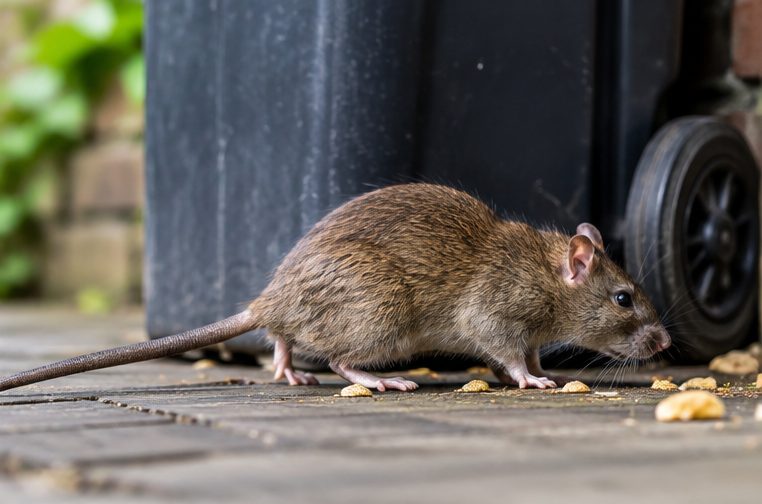
- Move the compost bin away from the back fence and stand it on a fine mesh base, with the lid kept shut
- Feed birds from a hanging feeder with a tray, and sweep up what falls
- Raise sheds and log stores off the ground, or keep the space beneath them open and visible
- Do not tip garden waste over the fence onto the bank, where it becomes extra cover right at your boundary
- Check air bricks, waste pipe entries and the door thresholds at the back of the house each autumn
It helps a great deal when the gardens along one stretch of the brook do the same. A single tidy garden between two that feed the bank still sits on the route.
Away from the water
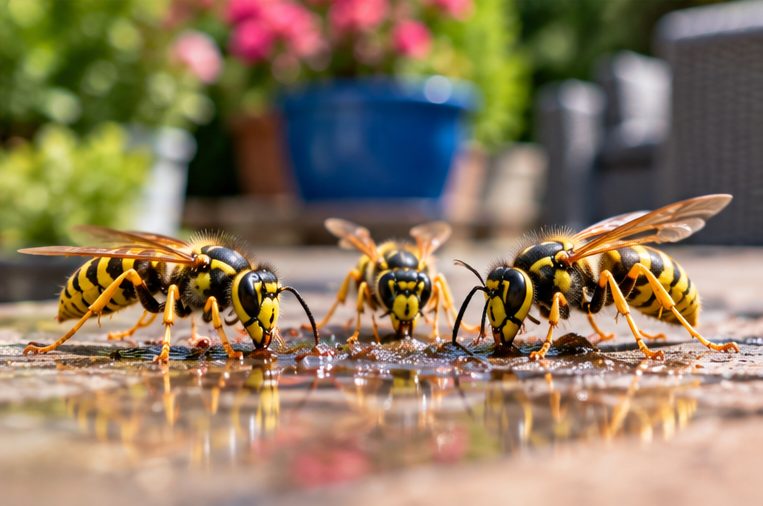
East of the High Road, towards Oakleigh Park, and in the flats above the High Road shops, the brook plays little part. There the pattern is the ordinary one for older houses and converted flats: mice in shared walls and floors, wasps in the eaves in late summer and, now and then, a drain fault under a kitchen.