Identifying the larva first
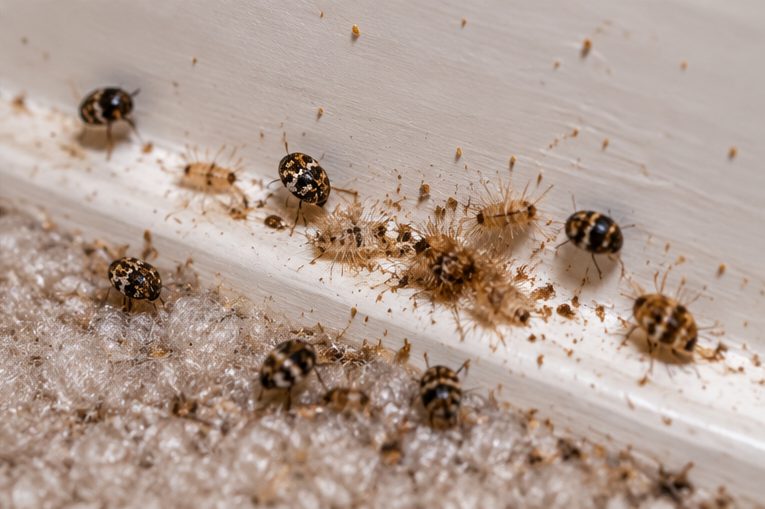
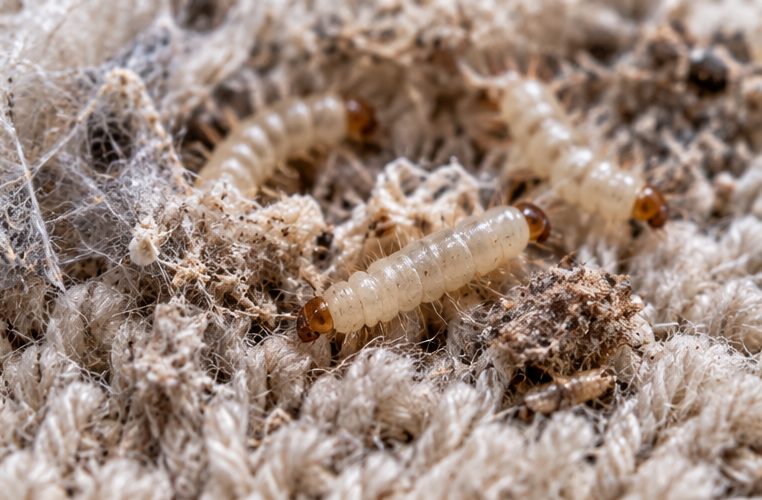
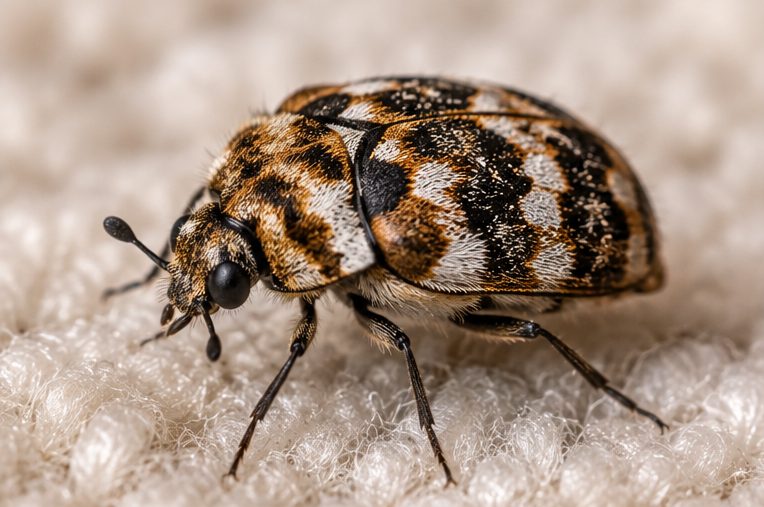
The larva itself is short, hairy and narrows toward one end, which is why people often liken it to a tiny hairy carrot; it also barely moves compared with a carpet moth caterpillar - the same pattern holds near Bank, where the financial core. A small, rounded beetle with a patterned back is the adult stage, and it's most commonly found on a windowsill, drawn toward the light, true near St Paul's too, where offices and historic listed buildings around the cathedral precinct.
Office floors and reception carpets
The extensive fitted carpet running through office floors and reception areas gives carpet beetle larvae a large, rarely disturbed area to establish in, particularly under furniture that's moved only during a refit.
The Barbican's flats
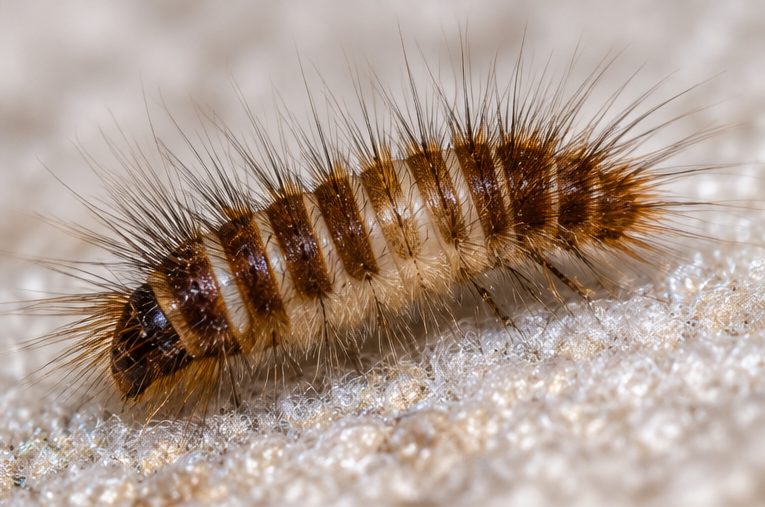
In the Barbican's residential blocks, fitted carpet combined with stored textiles in built-in cupboards gives carpet beetle larvae a typical residential source, much as they'd find in any London flat.
What to do before treatment
- Vacuum thoroughly, including carpet edges, skirting boards and under furniture
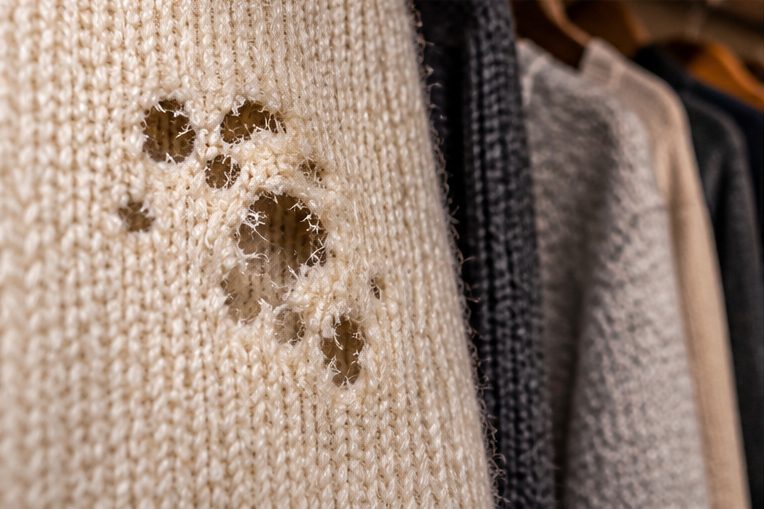
- Wash or dry-clean affected woollens and feather-filled items
- Remove dried flowers or accessible old nests and dispose of them
- Keep a note of which rooms and items are affected
Booking carpet beetle treatment in the City of London
Carpet beetle treatment in City of London is priced at £180 for the first room and £60 for each additional room, and given that around Temple, where legal chambers and historic buildings set around quiet courtyards and gardens, it is worth checking older rooms first before you book carpet beetle treatment and tell us which rooms show damage, with the rest on the City of London carpet beetle treatment page.