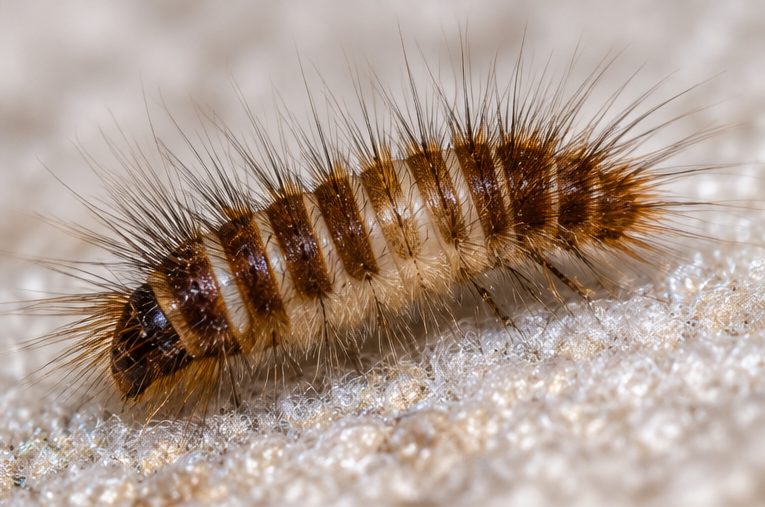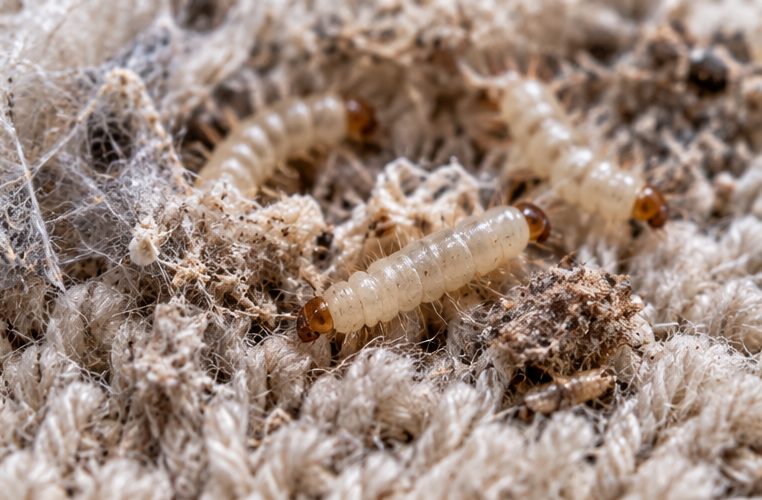
Take away what the larvae feed on
Larvae live on fluff, hair, dead insects and natural fibres in places nobody cleans. Prevention is mostly about removing that supply and disturbing the dark corners more often. Dead insects in light fittings and on windowsills count as food too, so wipe those out now and then.
Vacuum where the vacuum rarely goes
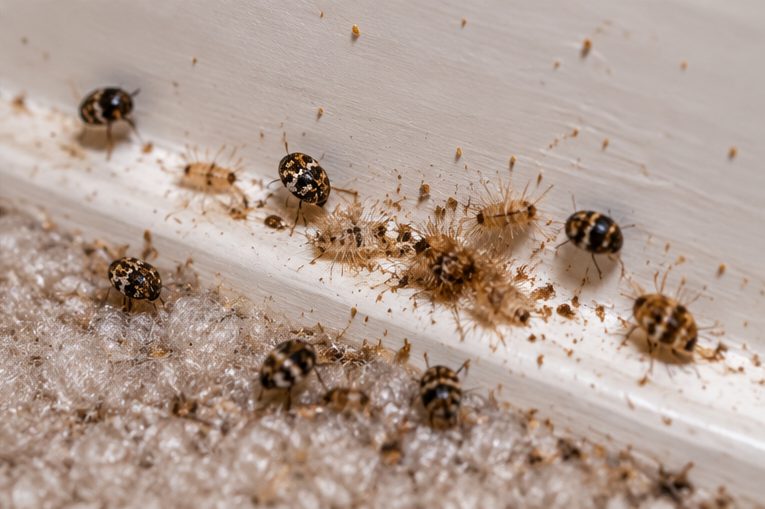
- Run a crevice tool along the join between carpet and skirting in every room
- Move beds, sofas and chests of drawers a few times a year and vacuum beneath them
- Turn rugs over and vacuum the underside and the floor below
- Do the inside of wardrobes, including the floor and the corners
- Empty the vacuum or change the bag outside afterwards
Clear the floorboard gaps
On bare or stripped timber floors, the gaps between boards collect years of material. A narrow nozzle lifts much of it. If boards are up for building work, it is a good moment to vacuum the void beneath. Renovations in Queen’s Park houses often give that chance, and filling gaps between boards afterwards leaves less room for fluff to settle.
Store textiles clean and sealed
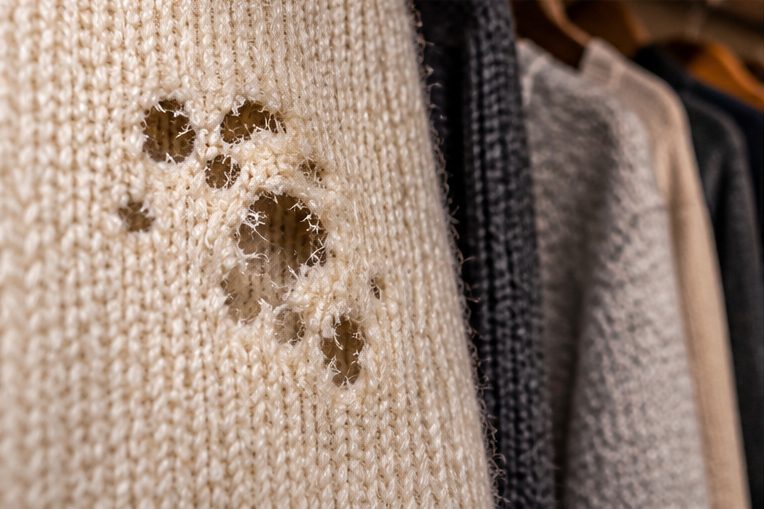
Wash or dry clean wool, silk and fur before putting them away, because stains attract larvae. Then store them in sealed plastic boxes or zipped bags rather than open shelves or cardboard. Take stored items out and check them every few months, and shake out rugs that are rolled up for storage. Cedar blocks and lavender bags are pleasant in a wardrobe, but they should not be relied on to keep larvae out.
Second-hand rugs and furniture
Old rugs, upholstered chairs and boxes of vintage clothing from markets, auctions or relatives can carry eggs or larvae. Vacuum and inspect them before they come into the main rooms, have rugs cleaned where possible, and wash or dry clean clothing first. When moving house, as many people in Cricklewood are, boxed textiles can be checked the same way as they are unpacked.
Check the loft and the eaves
An old birds' nest can keep supplying beetles to the rooms below. Look in the loft for nests near the eaves and remove old, abandoned material. By law, a wild bird's nest must not be damaged or removed while it is being built or in use, so wait until the birds have finished. Getting birds out of the eaves may also mean repairs to the roof edge. Squirrels use the same gaps; see how squirrels get into a roof.
Watch the windows in spring
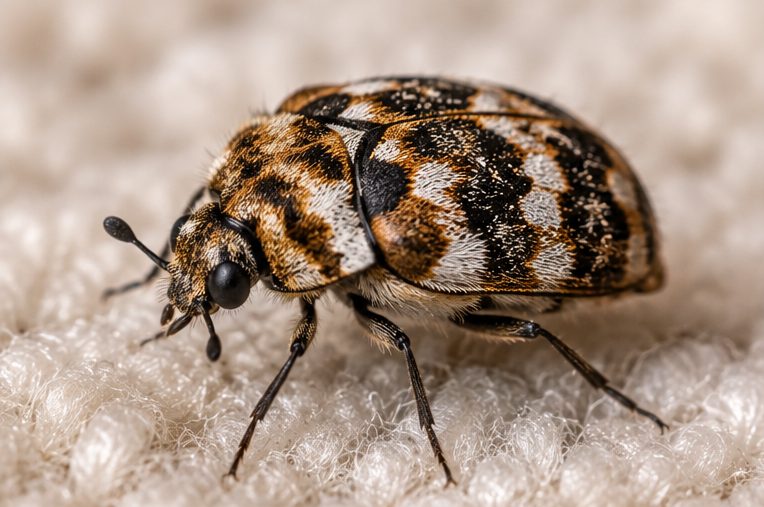
Adults fly in through open windows and arrive on cut flowers. Fly screens on windows that are open a lot help, and it is worth giving flowers from the garden a shake outdoors and checking bunches before they go in a vase. A few beetles on a sill in April or May are an early warning, since an adult indoors may already have laid eggs.
Houses with lofts and eaves
In the interwar houses of Kingsbury and Preston, birds nesting in the eaves are a common starting point, so a loft check each spring earns its place in the routine.
A simple yearly check
- Spring: check windowsills, cut flowers and the loft
- Summer: air and inspect stored clothes and blankets
- Autumn: move furniture and vacuum edges before the heating goes on
- Winter: look in airing cupboards and the backs of drawers
For what to look for on each check, use the signs of carpet beetles and where they hide.
If they come back anyway
A new round of larvae is best dealt with early, before damage spreads. Carpet beetle control in Brent costs £180 for the first room and £60 for each additional room. Book carpet beetle control and tell us whether the house has been treated before.