Converted houses, shared voids
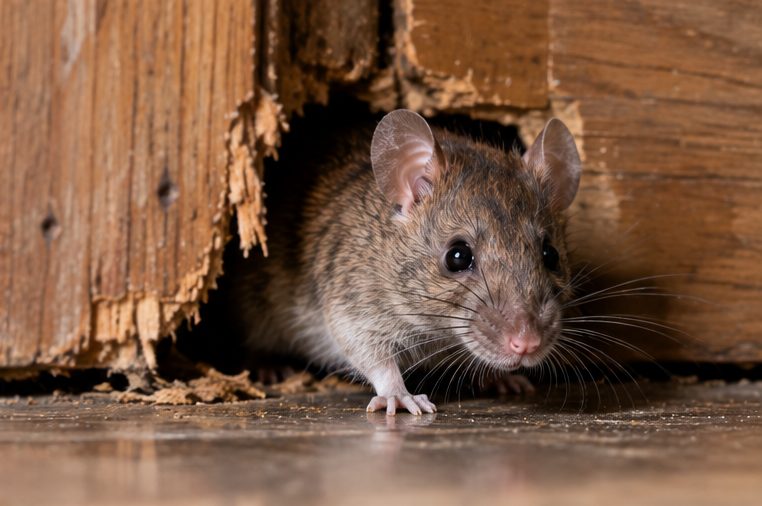
Much of Camden's Victorian housing stock, particularly around King's Cross and Camden Town, has been divided into flats over the decades, often with the original floor and wall voids left largely intact behind the new partitions. Mice use those voids as a route between flats, so one flat's problem can start in the one below or beside it.
Signs to look for
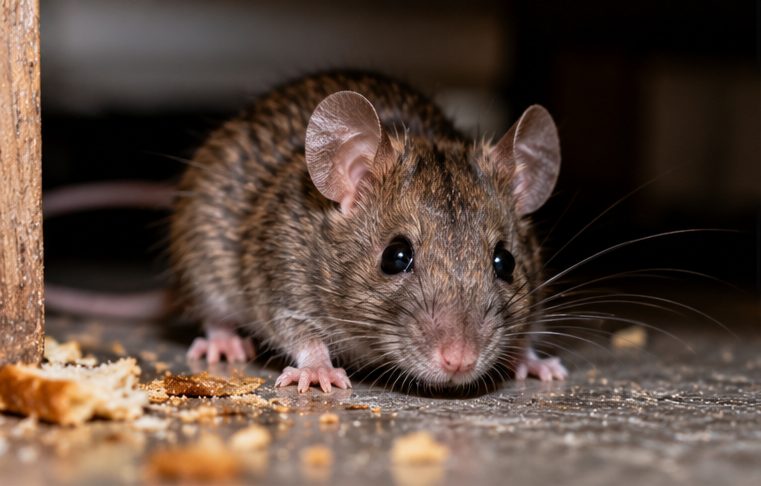
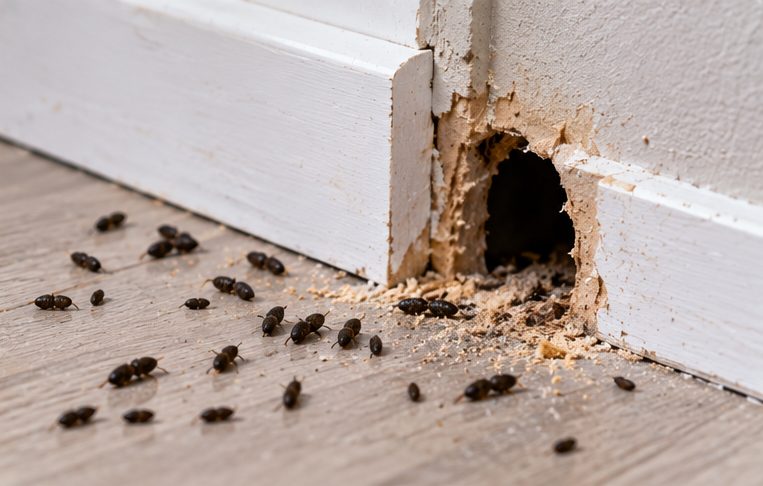
Droppings the size of a grain of rice near skirting boards or inside cupboards, gnaw marks on food packaging, and scratching heard inside a wall after dark are the usual first signs. In a multi-let house, scratching that seems to move along a party wall is a clue the mice aren't staying confined to one flat.
The borough's ex-council estates

On Camden's larger ex-council estates, mice more often arrive through communal service ducts or gaps around a bin store than through anything wrong inside an individual flat, so a single flat's problem can point to a building-wide issue worth raising with the managing agent.
What to do this week
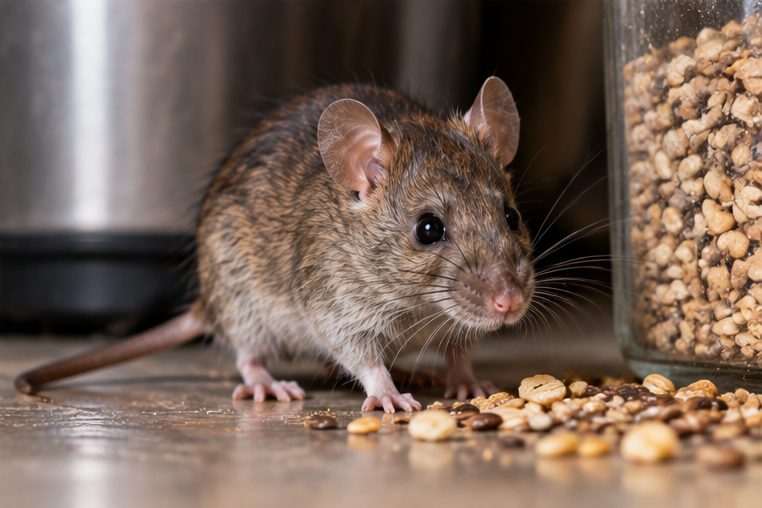
- Store dry food, pet food and bird seed in sealed containers rather than packets
- Check behind the cooker and fridge for droppings or gnawing
- Ask neighbours, especially in a converted house, whether they've seen anything too
- Note which rooms show activity and whether it changes after cleaning
Sealing the shared route
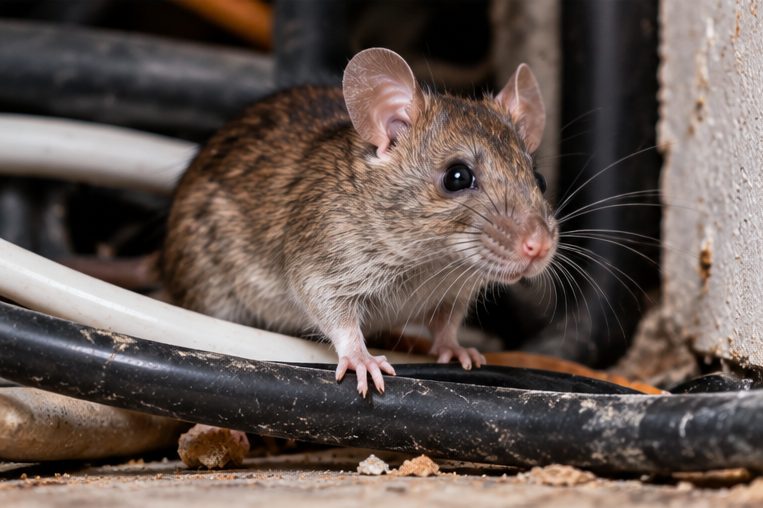
Once activity has stopped, the gap needs closing with something a mouse cannot chew through. In a converted house that's often the join between one flat and the next; on an estate it's more commonly a service duct or a bin store door.
Booking mouse control in Camden
Mouse control anywhere in Camden is £190 for a flat and £240 for a house, and because around Kentish Town, where victorian terraces split into flats, mentioning that when you book mouse control points us towards the likely route in, with the rest of the detail on the Camden mouse control page.