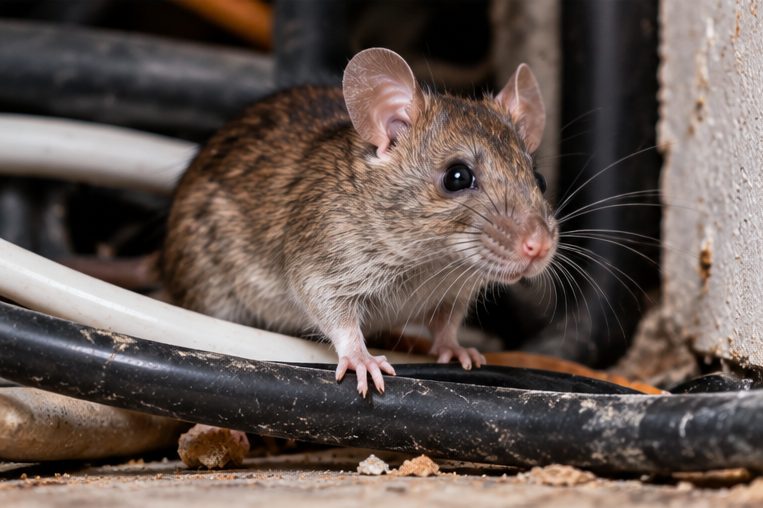
Start with the right expectations
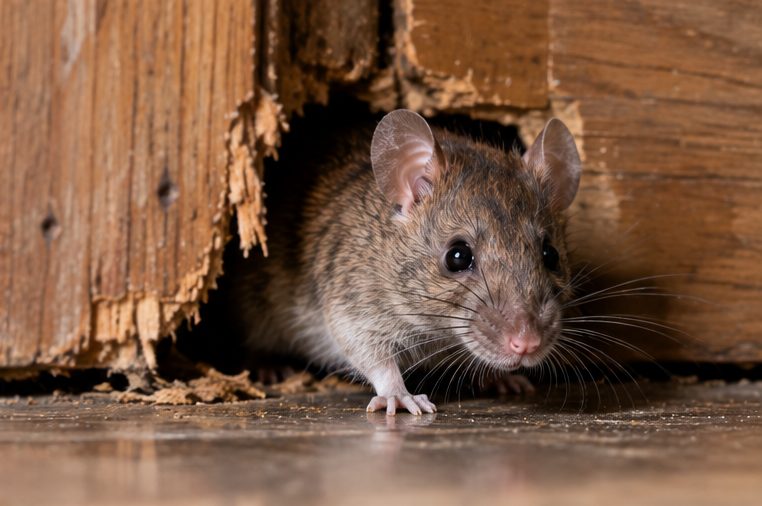
Because mice fit through gaps about 6mm wide, a completely mouse-proof older house is hard to achieve. The aim is to close the routes that matter and make the building unattractive, so an occasional explorer finds no reason to stay.
Step 1: clear the current mice first
Proofing while mice are inside traps them in the walls. Mouse control in Brent is £190 for a flat and £240 for a house; proofing comes after.
Step 2: find the routes they actually used
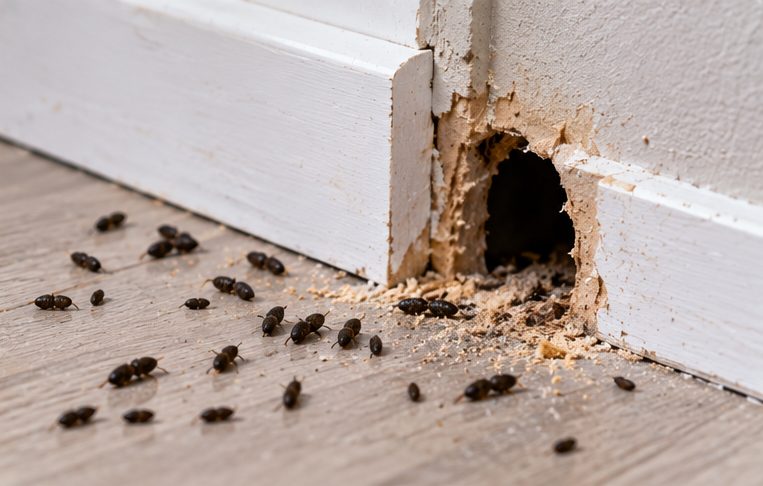
Walk round the building and list the gaps, then test which show use. Both steps are covered in the entry point checklist and finding the holes in use.
Step 3: seal in priority order
- Holes behind and under kitchen units — kitchen units
- Gaps around pipes and cables through walls and floors — pipe and utility gaps
- Damaged air bricks into the floor void — air bricks
- Gaps under external doors and at worn thresholds
- Gaps at the eaves and where services enter the loft
Step 4: use materials mice cannot chew
Mice gnaw through foam and soft sealant. Use hard fillers, tightly packed metal wool and metal mesh or plates, with sealant only as a finish. Leave gas pipes and boiler flues to a Gas Safe engineer.
Step 5: take away the reasons to stay
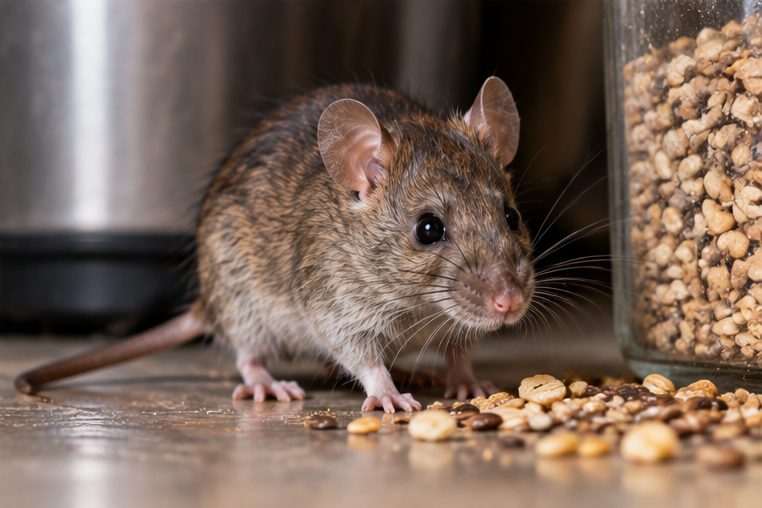
- Sealed containers for all dry food and pet food
- Regular cleaning under plinths and appliances
- Bins with tight lids, inside and out
- Storage in plastic boxes rather than cardboard
What does not work
Plug-in ultrasonic devices, peppermint oil and similar deterrents do little against an established problem — see ultrasonic repellers.
Having it done
Our rodent proofing service seals small accessible holes for £180 for up to one hour — book rodent proofing. If mice are still active, book mouse control first. And if they keep returning despite proofing, read why mice keep coming back.