The returning-mice cycle
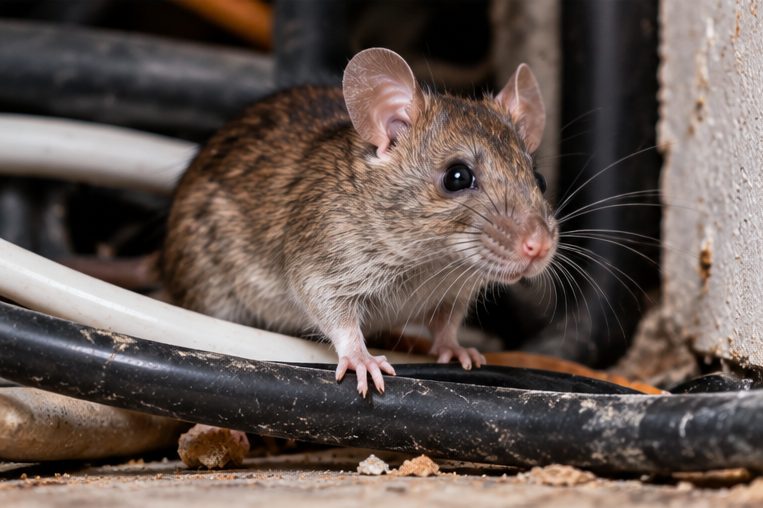
The house is quiet for a few months, then droppings reappear behind the cooker. It feels like the same mice, but it is usually new ones following the same scent trails, using the same gaps, drawn by the same food.
Reason 1: the gaps are still open
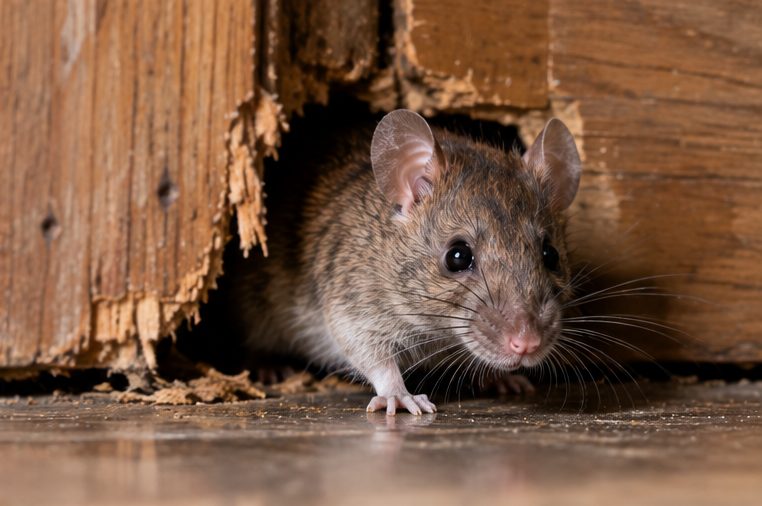
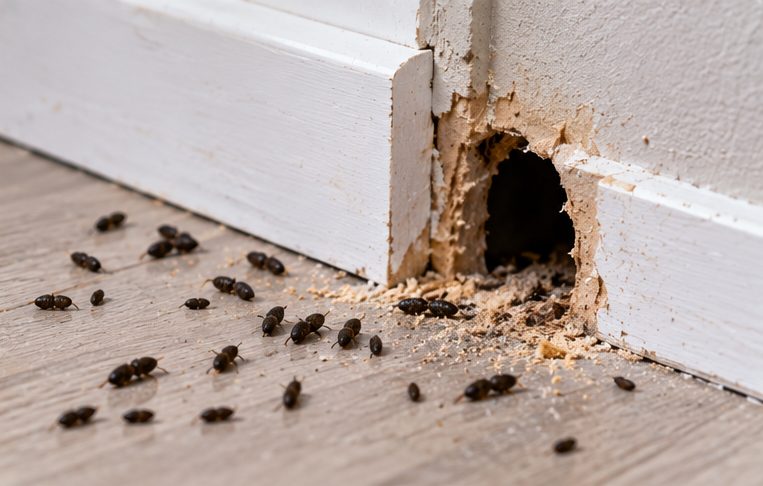
Mice leave scent along their routes, and new arrivals follow it straight to the old entry points. Until those gaps are sealed, every mouse in the area has directions to your kitchen. The fix is mouse-proofing once activity has stopped — our rodent proofing covers small holes for £180 for up to one hour.
Reason 2: the neighbours have them
In terraces, conversions and blocks, a neighbouring property with mice will keep supplying yours. See mice between flats.
Reason 3: seasonal movement
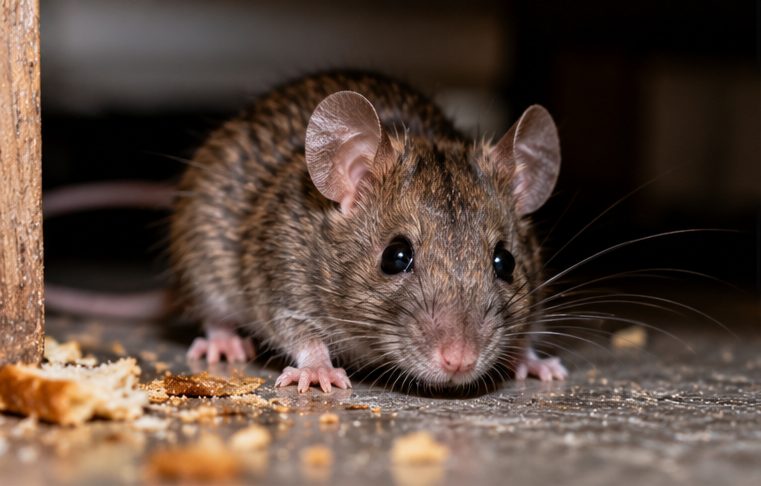
Every autumn, mice that spent the summer outdoors move into buildings. A house that was clear in June can be visited again in October. Sealing gaps in late summer is the best prevention.
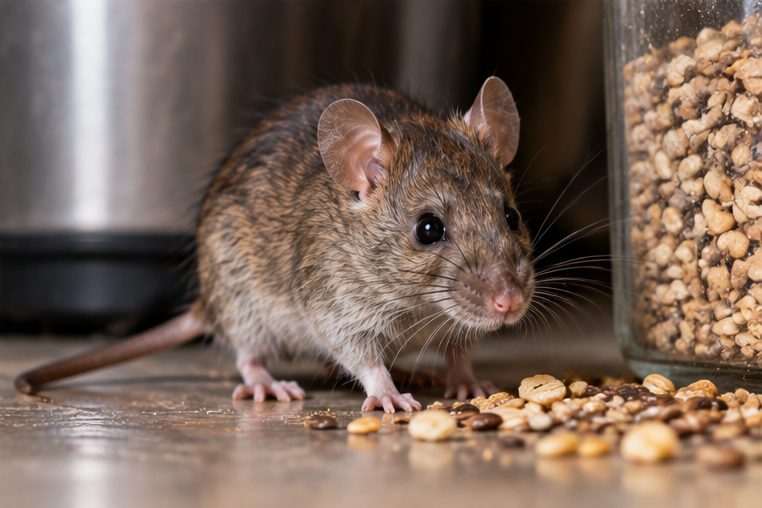
Reason 4: food is available

- Open packets in low cupboards
- Pet food left down overnight
- Crumbs under plinths and appliances
- Bird seed stored in garages and sheds
Reason 5: the colony was not fully cleared
Mice feed in small nibbles from many places, so a treatment that stops too soon, or DIY traps that catch a few, can leave breeding mice behind. How long mouse treatment takes explains why patience matters.
Breaking the cycle
Treat the current mice, confirm they have gone, seal the routes, remove food sources, and talk to neighbours if you share walls. The right order matters. Mouse control in Brent is £190 for a flat and £240 for a house — book it here. To find the route, read how mice are getting in.