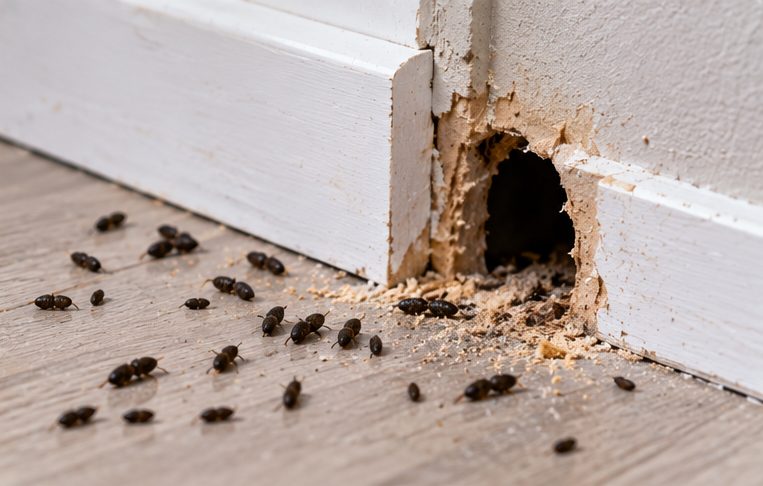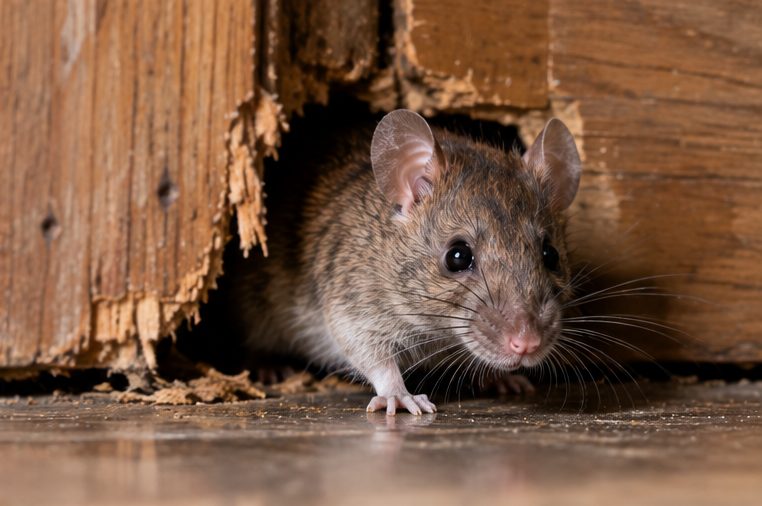
Close to food, out of sight
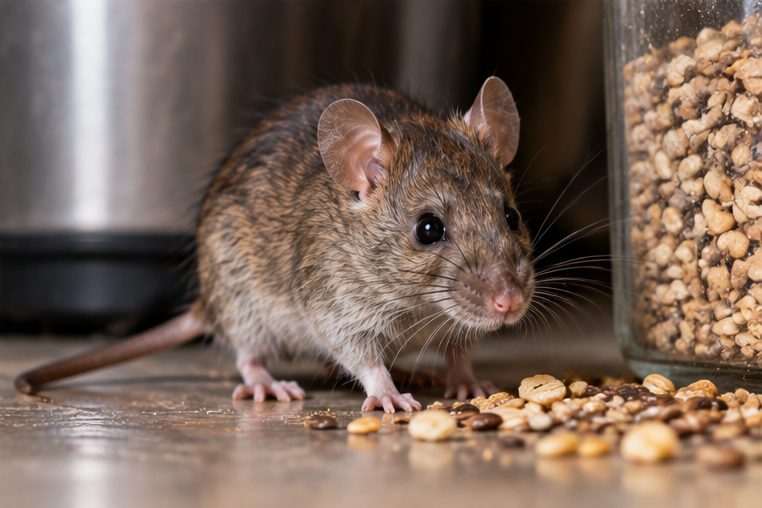
Unlike rats, which travel further, mice prefer to nest within a short distance of a reliable food supply. They also get much of the water they need from food, so a nest does not have to be near a tap. Warmth and soft material do the rest.
The usual nest sites
Kitchen plinths and the void behind units
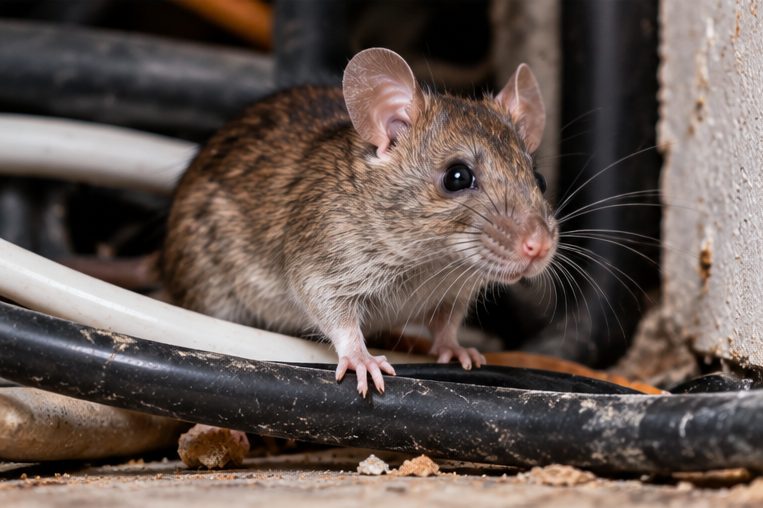
The single most common site, warmed by the fridge and oven — covered in mice behind kitchen units.
Behind and under appliances
Inside the insulation of cookers, behind fridge-freezers and in the base of dishwashers, where motors keep things warm.
Under baths and behind bath panels
A quiet, enclosed space with pipework providing a route in and out.
Wall and floor voids
Between the joists under suspended timber floors and inside stud walls and boxing — often where pipes come through.
Further from the kitchen
- Airing cupboards and around hot water cylinders
- Under-stairs cupboards full of stored items
- Boxes of papers, clothes or bedding in storage
- Garages and sheds, especially with stored bird seed or pet food
- Loft insulation — see mice in the loft
What a mouse nest looks like
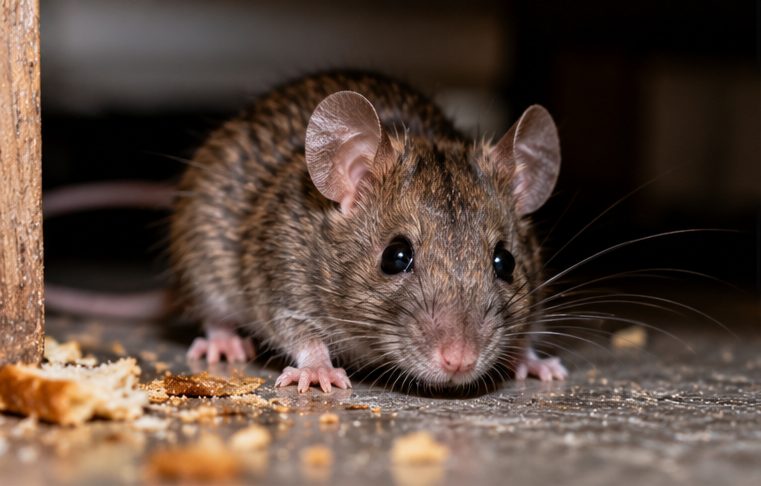
A loose ball of shredded material — paper, tissue, fabric, insulation, cardboard — about the size of a fist, usually with droppings around it and a strong musky smell. Nests may hold young, which is why numbers can rise so quickly.
Should you remove it?
Not while the mice are active. Disturbing a nest scatters them further into the building. Note where it is and book mouse control. Mouse control in Brent is £190 for a flat and £240 for a house.
Nests in shared buildings
In a flat, the nest may be in a void you cannot reach, or in a neighbour's property — explained in can mice travel between flats. Once the problem is cleared, close the routes with mouse-proofing.