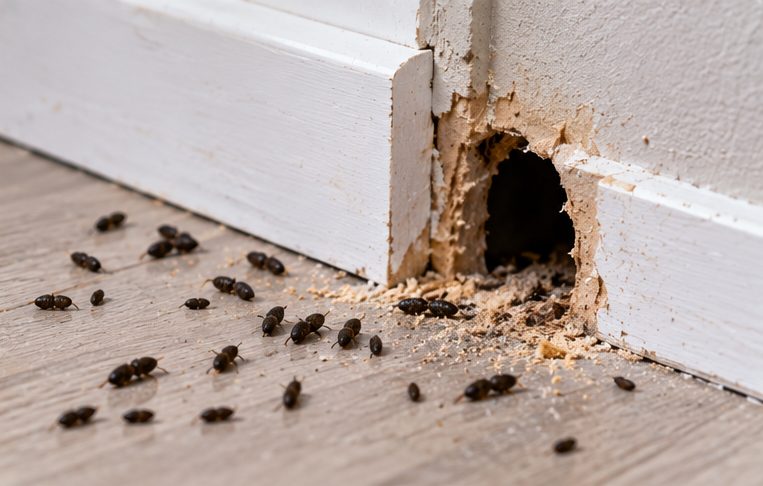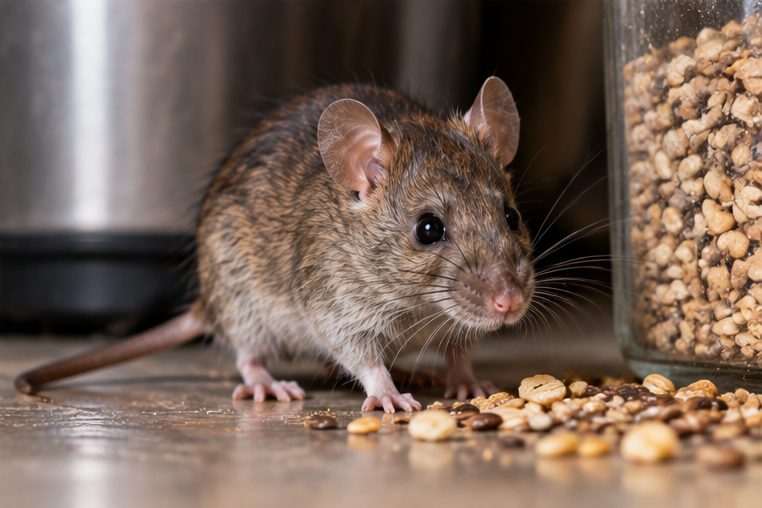
Why mice gnaw
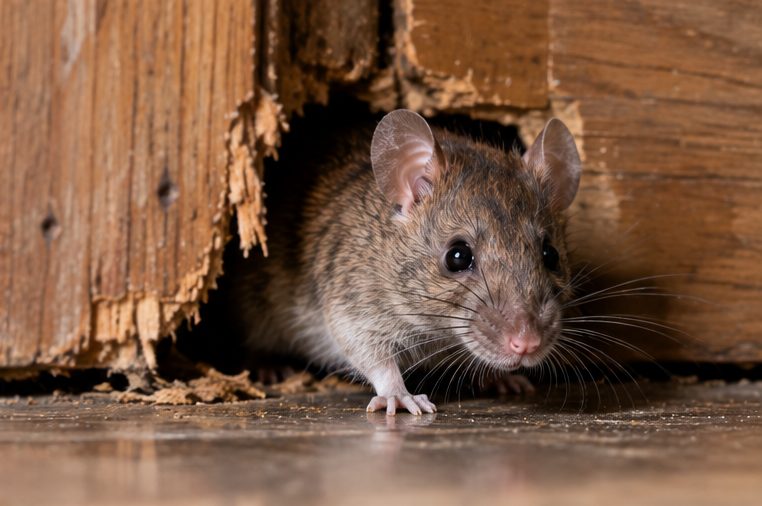
A mouse's front teeth grow throughout its life and must be worn down by gnawing. Mice chew to get at food, to make nesting material and to widen gaps — and they are not selective about what they chew.
Cables and wiring
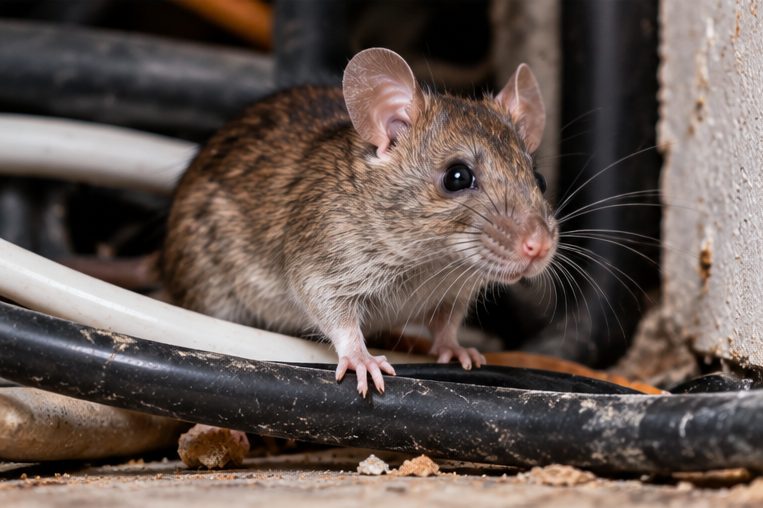
Mice gnaw the plastic insulation on cables running behind appliances, through floor voids, inside walls and across lofts. Exposed conductors can short out, trip circuits or, in the worst cases, overheat. Damaged cabling is a fire risk and should be checked by a qualified electrician.
Pipes and plumbing
- Softer plastic waste pipes and push-fit fittings can be gnawed
- Foam pipe lagging is shredded for nesting material
- Flexible hoses behind washing machines and dishwashers are at risk
- Plastic overflow and condensate pipes can be chewed through
A chewed water hose or pipe can cause a leak that goes unnoticed behind units for some time.
Other things mice damage
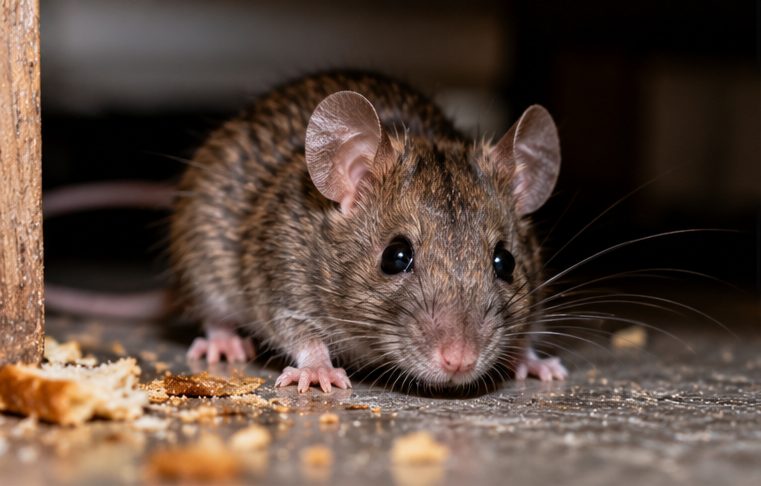
Insulation, stored clothing and paperwork, wooden skirting and door frames, soft sealant around gaps, food packaging and the backs of kitchen units. Nests of shredded material in a loft or under a floor are fuel close to cables.
Signs of gnawing damage
Look for small tooth marks and shavings, cables with nicked or stripped insulation, unexplained trips of the electrics, and damp patches near hoses. The places to check are the same as where mice nest: behind appliances, under floors and in the loft — see mice in the loft.
What to do
Get the mice treated promptly — the longer they stay, the more they gnaw. Mouse control in Brent is £190 for a flat and £240 for a house; book mouse control. Have any damaged cabling inspected by an electrician, and repair leaks. If you are not sure whether it is mice or rats doing the damage, see rats or mice.
Preventing it happening again
Seal the gaps where cables and pipes pass through walls — proofing pipe and cable gaps explains how — and follow the mouse-proofing steps. Our rodent proofing covers small holes for £180 for up to one hour.