The way mice feed shapes the treatment
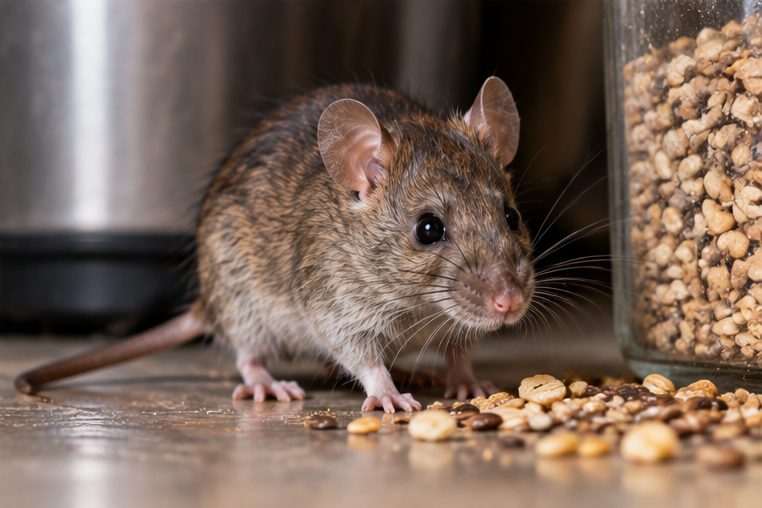
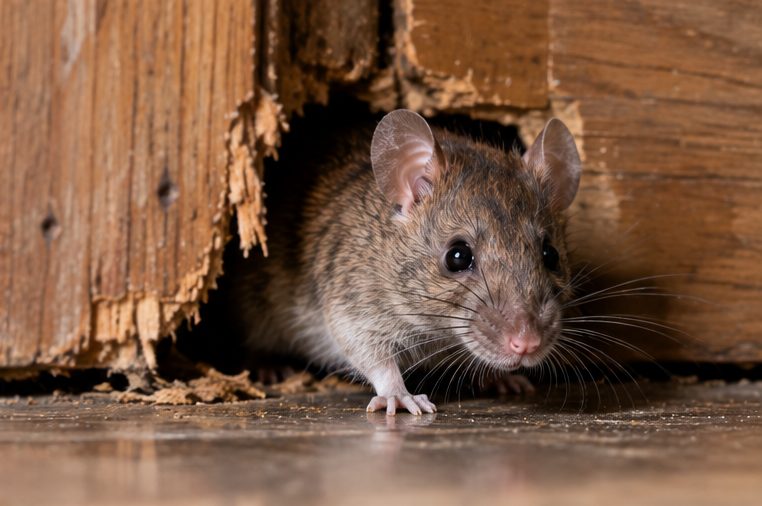
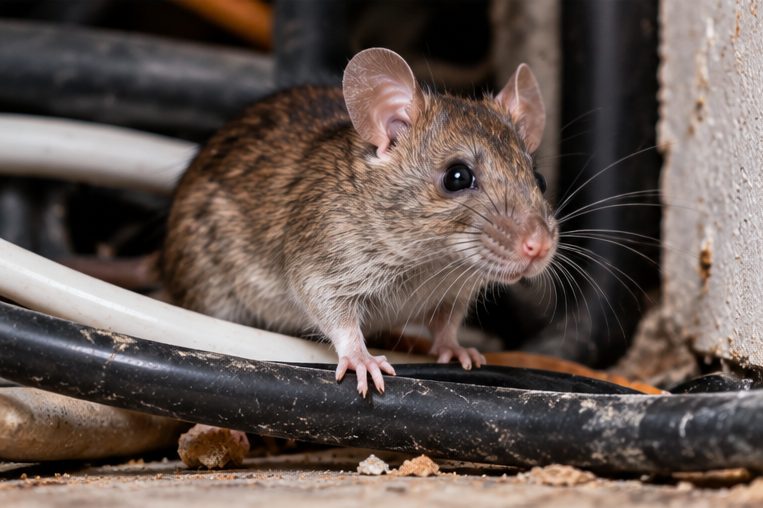
A mouse does not eat one meal. It takes small nibbles from many different spots in the course of a night, moving between them along its territory. That is why effective treatment has to cover the whole area the mice use rather than one corner, and why it is a process over time. We explain what your treatment involves before anything is booked.
What makes it quicker or slower
- How long the mice have been there, and how many generations have bred
- How much other food they can get to
- Whether neighbouring properties are also affected
- How many rooms and voids the mice are using
- Whether new mice can still get in
Helping the treatment work
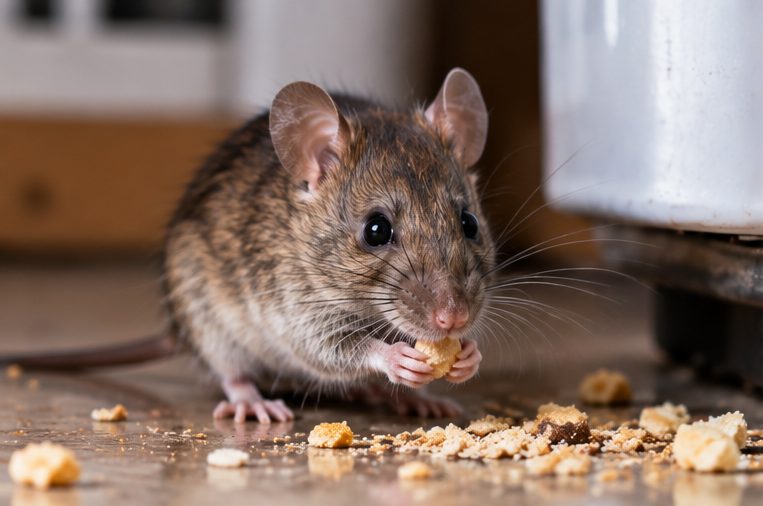
Take away the competition: store food in sealed containers, clean under units and appliances, lift pet food at night. Leave anything placed during the treatment exactly where it is, and keep children and pets away as advised. Resist the urge to seal holes mid-treatment — proofing comes after.
How to tell it is working
No new droppings (clear the old ones so new ones stand out), no fresh nibbling on packaging, and no scratching at night. A light dusting of flour along a known run shows whether tiny footprints are still appearing.
Why shop-bought options take longer
A few snap traps catch a few mice while the rest keep breeding, and ultrasonic plug-ins have little effect — see do ultrasonic repellers work. The result is often a problem that drags on and keeps coming back.
After the mice have gone
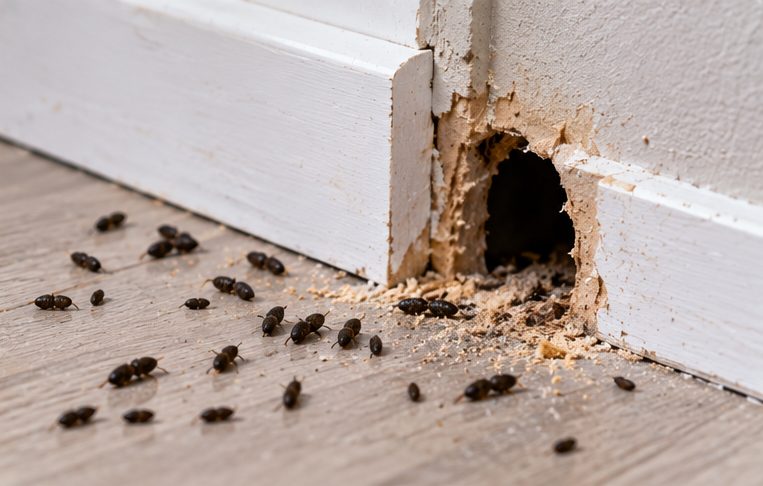
Seal the routes they used so the next mice cannot follow — how to mouse-proof a property. Our rodent proofing covers small holes at £180 for up to one hour.
Start sooner rather than later
Mice breed quickly, so every week of waiting makes the job bigger. Mouse control in Brent is £190 for a flat and £240 for a house — book mouse control.