
A building is one home to a mouse
A mouse's territory is small — often only a few metres from its nest — but in a building full of hidden connections, a few metres can span two or three flats. To a mouse, the walls between homes are just more places to travel.
The routes between flats
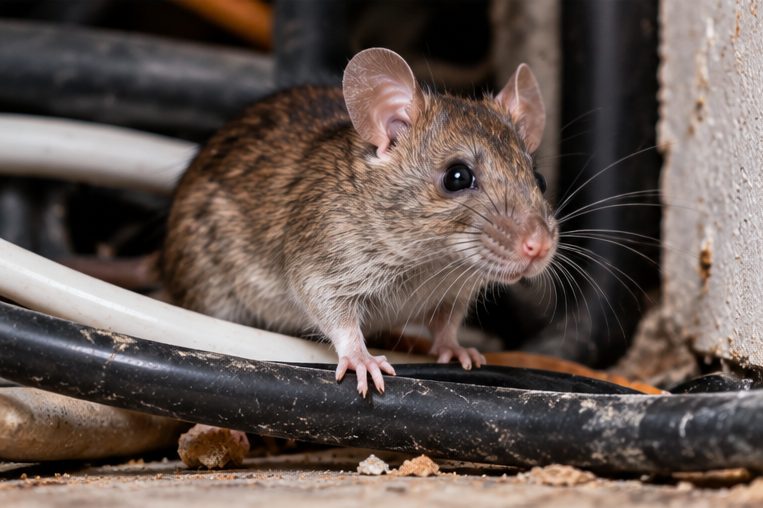
- Floor and ceiling voids shared between upstairs and downstairs flats in conversions
- Vertical service risers carrying pipes and cables through every floor of a block
- Boxing around soil stacks and heating pipes
- Gaps where party walls meet floors and ceilings
- Shared loft spaces over terraces and converted houses
Conversions are the hardest case
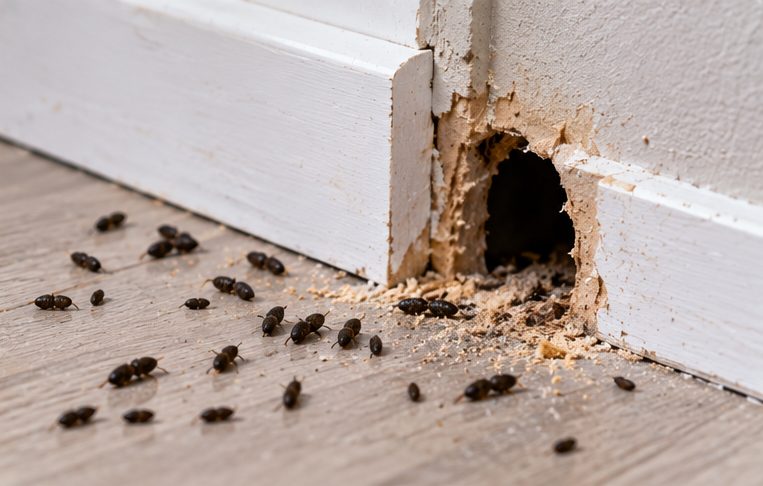
Victorian and Edwardian houses split into flats — the typical home in Kilburn, Harlesden and Willesden — were never designed as separate dwellings. The floor of the upper flat is the ceiling of the lower one, and the kitchen of one often sits over the kitchen of the other, with pipework linking both.
Purpose-built blocks
Newer blocks have fewer voids, but service risers, bin stores and communal areas still connect flats. Our Wembley page covers life in large developments.
Why treating one flat often fails
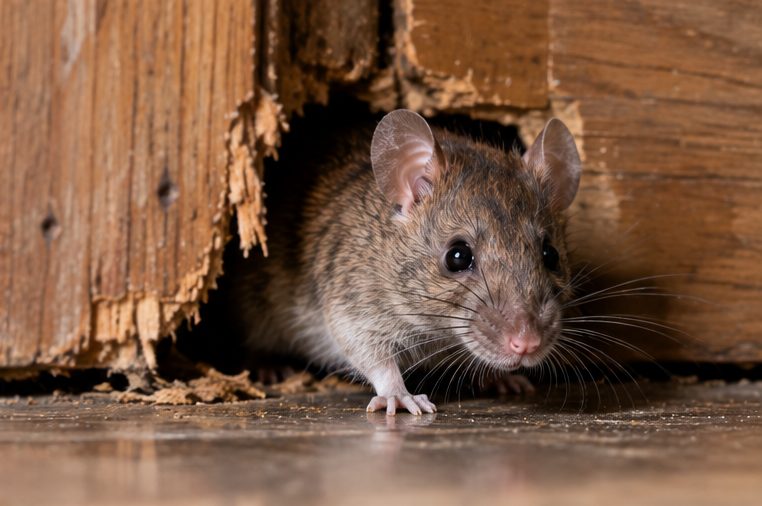
If only your flat is treated, mice living in the shared void or in the neighbouring flat simply move back in. It is one of the main reasons for mice coming back.
What to do
- Tell your neighbours and ask whether they are seeing signs
- If you rent, tell your landlord or letting agent in writing
- If you are a leaseholder, tell the managing agent — shared voids and risers are usually theirs
- Treat affected flats at the same time where possible
Booking treatment for a flat
Mouse control in Brent is £190 for a flat. Landlords and managing agents with several affected flats can call us to arrange them together. Book mouse control, and see how mice get in and where mice nest for what to check in your own home.