Office towers and service risers
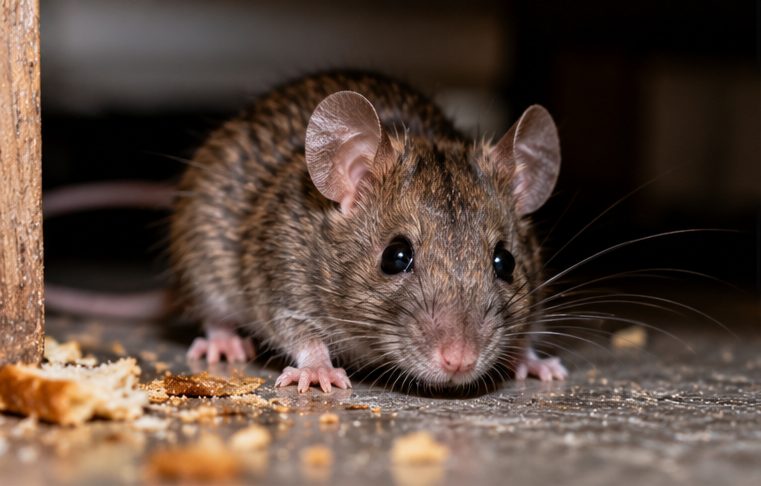
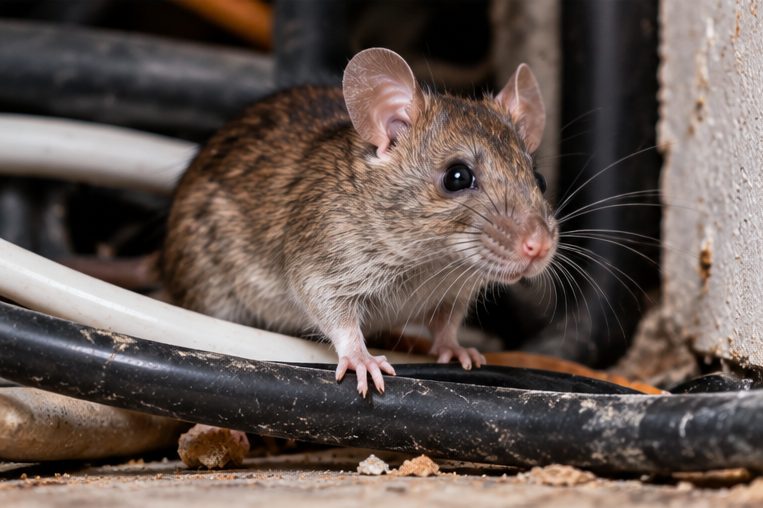
The office towers around Bank and St Paul's route cabling, heating and water through vertical service risers that run the full height of the building, and mice can travel between floors inside that structure without a single member of staff seeing anything unusual in a corridor.
Basement plant rooms
Basement plant rooms, often warm, rarely visited outside routine maintenance, and close to whatever food waste a building's kitchen or cafe produces, give mice both shelter and a food source in one place.
The Barbican Estate's shared floors
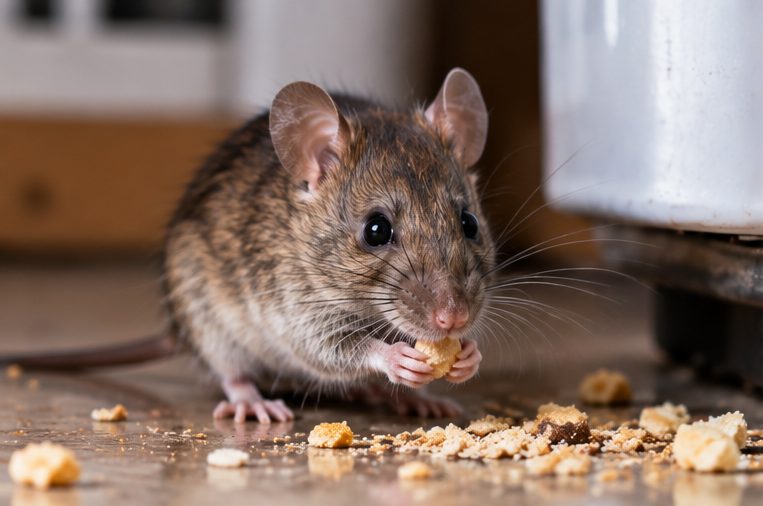
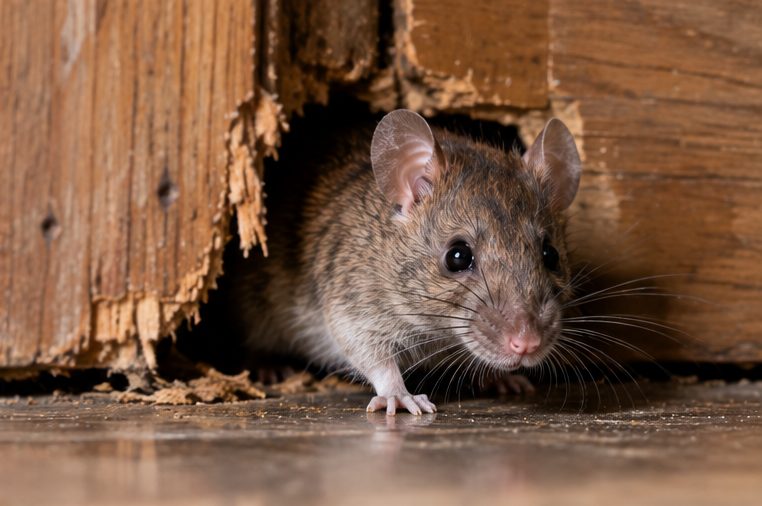
In the Barbican's residential blocks, mice moving through a shared floor void or service duct can appear in several flats on the same level before residents connect the sightings to one source.
Finding the nest
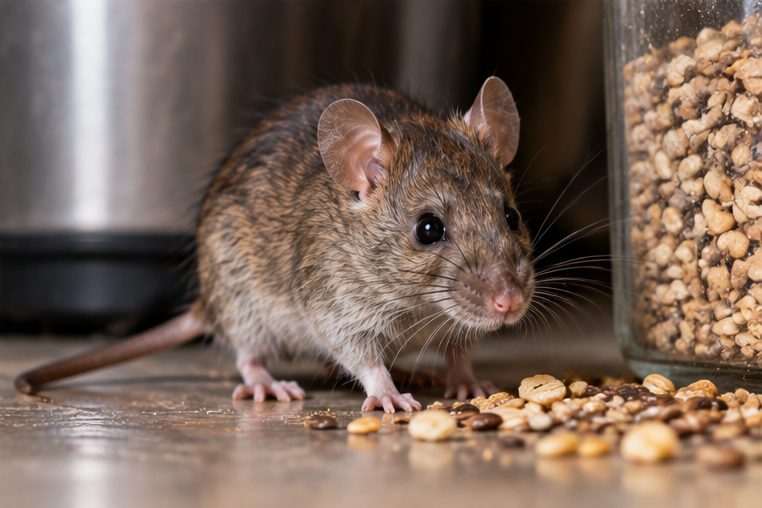
Mice nest close to food, usually within a few metres, so droppings near a kitchenette or pantry point to somewhere nearby - a void behind a wall, under a sink, or inside a service duct. Securing food waste matters even before the nest itself is located.
What to do this week
- Store dry food, pet food and bird seed in sealed containers
- Check behind kitchenette units and vending machines for droppings or gnawing
- Note where droppings appear and whether they return after cleaning
- Ask facilities management or neighbouring occupiers whether anyone else has reported mice
- Keep an eye on cables near equipment for fresh gnawing
Booking mouse control in the City of London
Mouse control anywhere in City of London is £190 for a flat and £240 for a house, and because around Barbican, where the City's main residential estate, mentioning that when you book mouse control points us towards the likely route in, with the rest of the detail on the City of London mouse control page.