Carpet beetles
From a Bird's Nest to a Bedroom
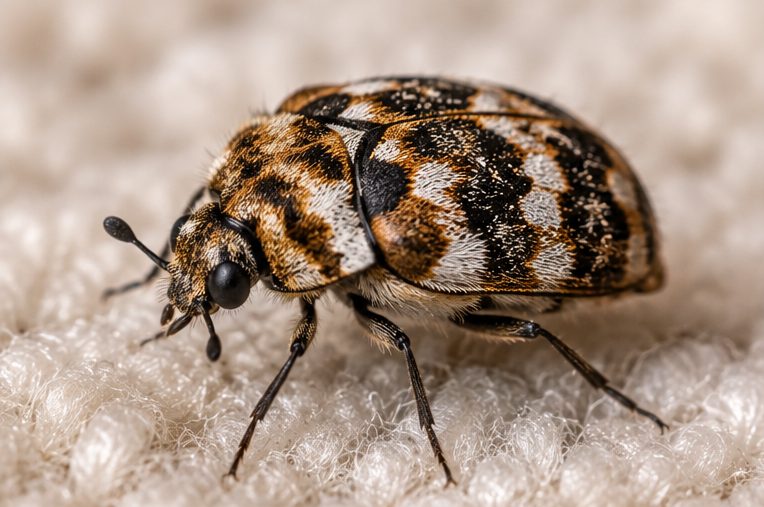
Adult carpet beetles lay eggs in places with feathers, fur, fluff and dead insects, and an old bird's nest is ideal. The larvae hatch and feed there, and when the nest is used up, or when adults emerge in spring, they find their way indoors. In an older building there are plenty of ways in.
Ledges, cornices and parapets
Pigeons nest on the wide ledges and behind the parapets of period blocks, and the nests and droppings build up over years. A top-floor flat with windows beside a ledge, or a flat below a parapet gutter, is well placed to receive beetles. Nests on the outside of a block are part of the common parts, so tell the managing agent if you can see them, as the Childs Hill area page explains.
Disused chimneys
An unused chimney can collect nesting material and the remains of birds, and in a terraced house or a period flat the flue often opens into a boarded-over fireplace. Larvae found around a hearth, or adults on the floor of a room with an old fireplace, are a clue. A chimney sweep can check a flue and fit a cowl or guard to keep birds out.
Top-floor flats and eaves cupboards
A top-floor flat sits closest to the parapet gutter and the roof, where nests are most likely. Some also have a small loft or eaves cupboard, and old nesting material or dead insects in there can feed larvae for a long time unnoticed. If you have such a space, run a torch along its floor for shed skins and fluff. Where carpet beetles hide covers the other places to look.
Beetles on Sash Windowsills
In spring and early summer the adults are drawn to light, and they gather on the sills of tall sash windows. They are small, round and mottled, and easy to take for ladybirds from a distance. Why carpet beetles appear on windowsills explains why that usually means larvae somewhere inside.
Where the Larvae Feed Indoors
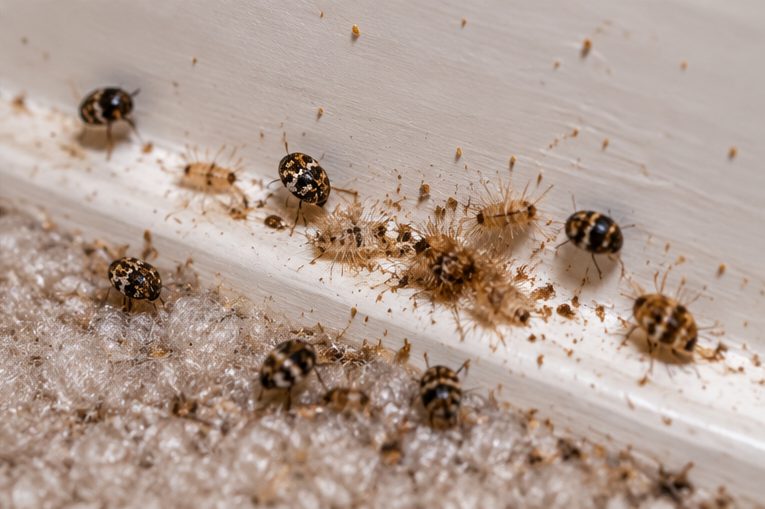
- Along the edges of wool carpet where it meets the skirting
- Under beds, chests and wardrobes that are rarely moved
- In the fluff that collects between old floorboards
- In wool clothes, blankets and cushions kept in drawers
- Around a boarded-over fireplace or hearth
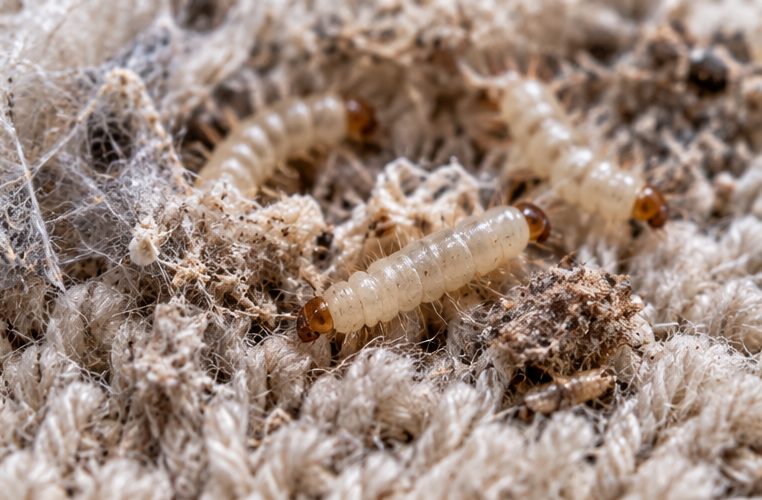
What carpet beetle larvae look like shows the small bristly larvae, often called woolly bears. Silk tubes and webbing in the carpet point more towards carpet moths.
A note on skin irritation
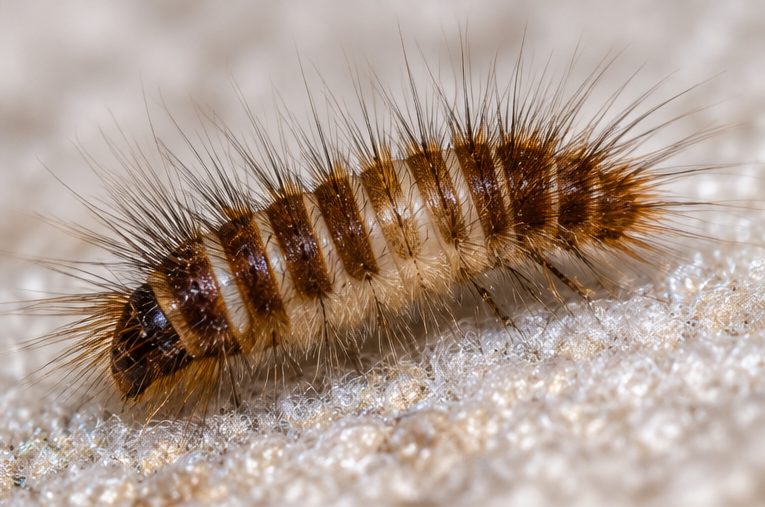
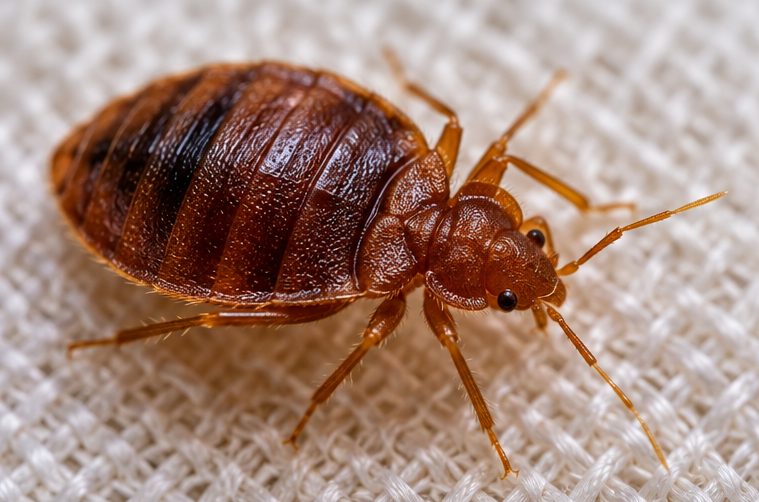
The hairs on carpet beetle larvae can irritate some people's skin, which is sometimes mistaken for bites. If you have a rash, speak to a pharmacist or GP, and call 999 for signs of a severe allergic reaction. Can carpet beetle larvae irritate your skin? has more. If you think you are being bitten at night, bed bugs are worth ruling out.
Booking and Preparing
When you book carpet beetle control, say which rooms have larvae or damage, whether you have seen adults on the windowsills, and whether there are nests on the ledges or in a chimney. Before the visit, vacuum carpet edges, under furniture and between floorboards, and empty the vacuum outside. Bag any affected clothing. You will be told what was found and what to expect, and the time it takes depends on the property.
Keeping Beetles Away From a Period Flat
Ask the building to deal with nests on the ledges and parapets, have unused chimneys checked, vacuum under furniture regularly and store wool sealed. Preventing carpet beetles returning has more ideas, and Carpet Beetle Control Barnet covers the interwar roofs elsewhere in the borough.