Why undisturbed rooms are the risk
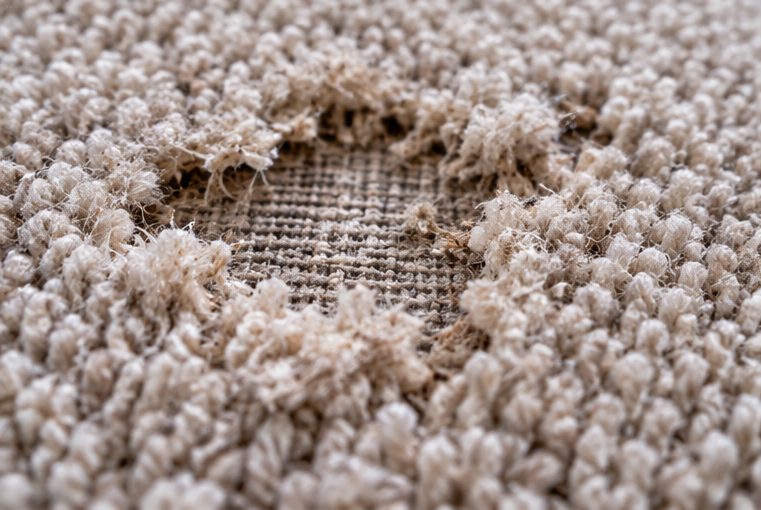
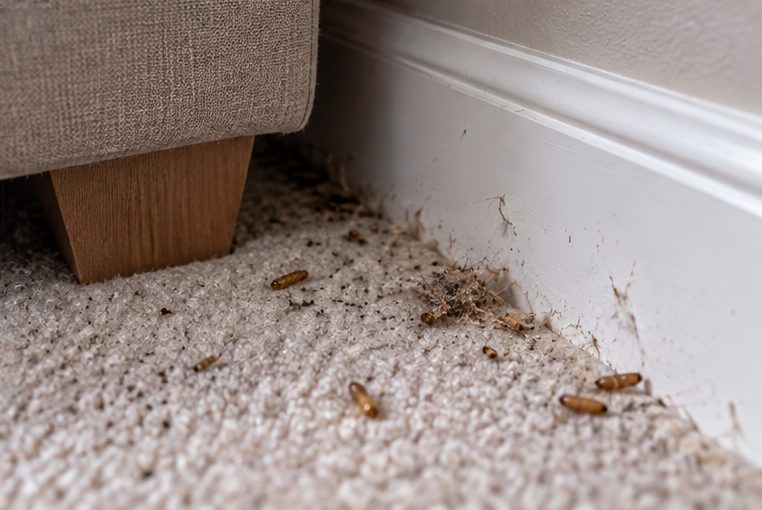
Carpet moth larvae feed on wool and other natural fibres, and they thrive wherever nothing moves things around for a long spell. A spare room, furniture that rarely gets shifted, or a rug kept rolled away in a cupboard are typical starting points in any kind of home.
The Georgian and Victorian houses of Bexley Village
The older housing around Bexley Village, with its original wool carpets and rugs in rooms used only occasionally, is where carpet moths tend to establish most readily across the borough. Larger houses with more spare rooms and stored furnishings give larvae more places to work through unnoticed.
What to look for
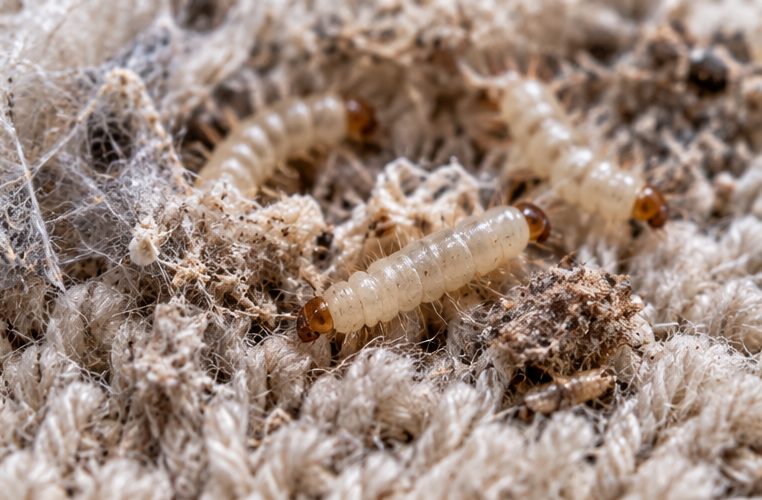
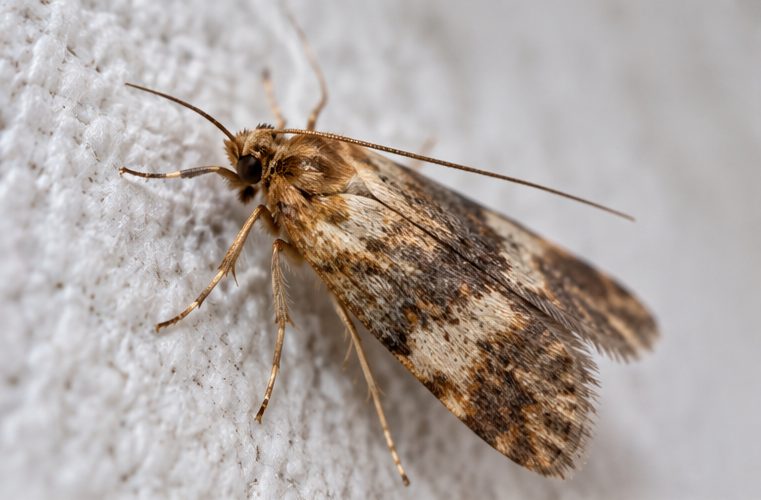
The usual giveaways are small, hairy, pale-coloured larvae, threads of silk caught in the pile, and irregular thin patches along a skirting board, just as near Bexleyheath, where the borough's main town centre. The adult moth is small, pale and reluctant to fly, so damage is normally spotted before the moth itself.
Checking clothes and furniture too
Once established, moths rarely stay confined to the carpet. Check stored woollens, blankets and upholstered furniture in the same rooms, especially anything that hasn't been worn or aired for a while.
Before treatment
- Vacuum thoroughly, including under furniture and along every skirting board
- Have affected clothing dry-cleaned or washed hot rather than simply put away again
- Move stored boxes and furniture away from the walls so the edges can be reached
- Don't rely on vacuuming alone - larvae sit deep in the pile
Booking carpet moth treatment in Bexley
Carpet moth treatment in Bexley is priced at £180 for the first room and £60 for each additional room, and given that around Sidcup, where broad 1930s suburban avenues to the south of the borough, it is worth checking older rooms first before you book carpet moth treatment and tell us which rooms show damage, with the rest on the Bexley carpet moth treatment page.