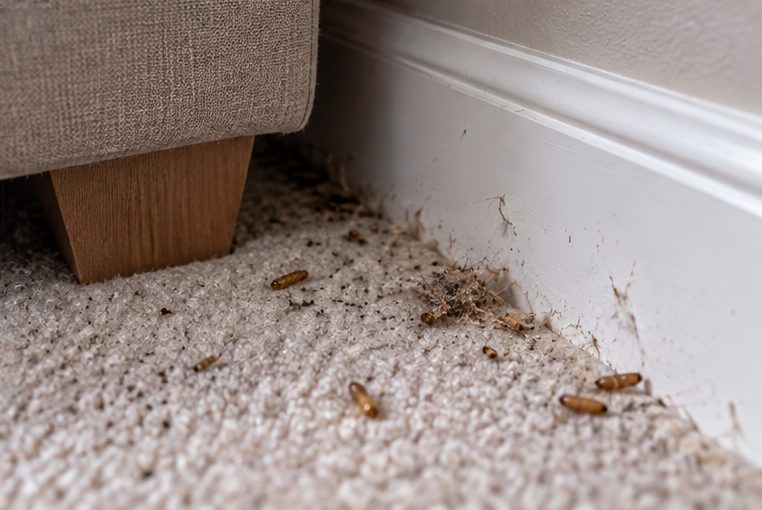
It depends on the home
How long a job takes depends on the number of rooms, their size, how much furniture and stored fabric is involved, and how well established the larvae are. A tidy flat with one affected rug is quicker than a large house with fitted wool carpet throughout. Timescales depend on the property and the infestation, so we will not quote a fixed figure before seeing it. An empty property, like a let between tenancies in Kenton, is usually quicker to work through than a furnished, occupied home.
On the visit
Time spent at the property grows with the number of rooms and how much has been cleared beforehand. Rooms that are already vacuumed and have their edges exposed are easier to work through; see how to prepare for carpet moth treatment. You will be told how long to keep out of the rooms and what to do afterwards, including how long pets should stay out.
The life cycle behind the timescale
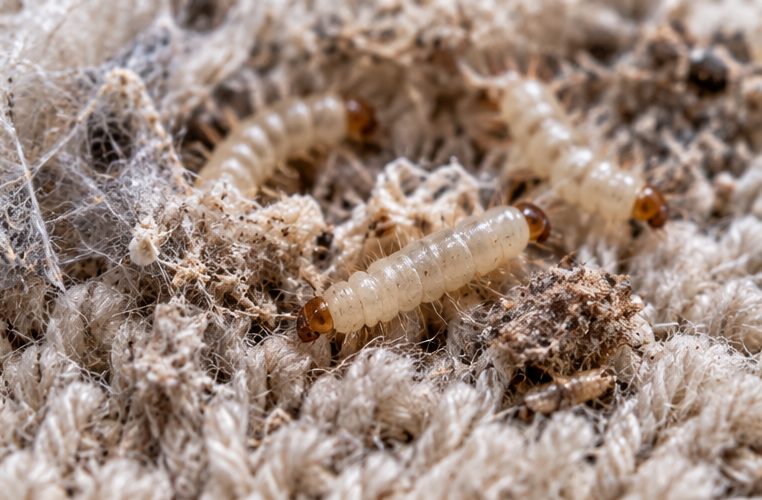
A clothes moth passes through egg, larva, pupa and adult. Eggs are laid among fibres and hatch into larvae, which feed and grow for anything from several weeks to many months depending on warmth and food. They then pupate in a cocoon before the adult emerges. In a heated home these stages overlap, so every stage may be present at once. Cooler rooms slow the whole cycle down, which is one reason a spare room with the heating off can hold larvae for a long time.
Seeing moths afterwards
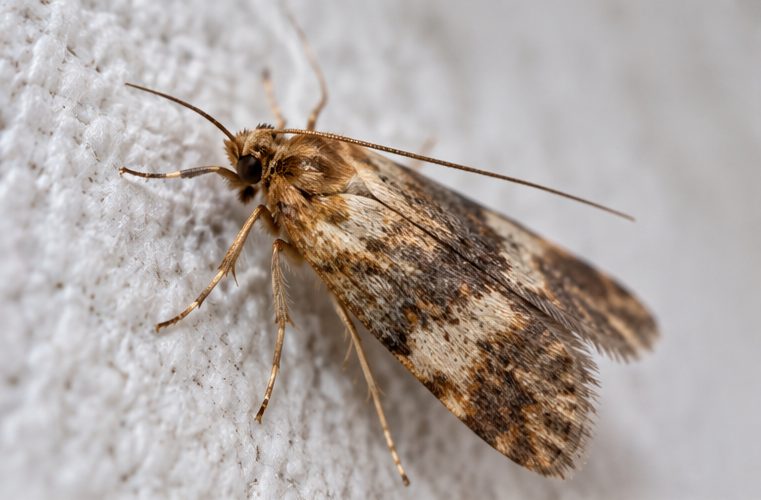
Spotting the odd moth for a while after treatment is not unusual, because insects that were already developing out of sight can still emerge. What matters is the trend. Fewer adults as time passes, and no new bare patches, is what you want to see. A single moth fluttering at a window is not a reason for alarm. Adults do not eat fabric, so it is fresh larvae, not a lone moth, that would matter.
Using traps to measure progress
A pheromone trap in each affected room gives you a simple record. Note the date you put it out and count what it catches over the following weeks. Because it only lures males, it is a monitor rather than a cure, but a falling catch is a useful sign that things are heading the right way. Replace traps as the packet directs, and keep them away from open windows so they do not draw moths in from outside.
Helping the treatment work
Follow the aftercare advice you are given, including when to start vacuuming the treated carpets again. Keep bagged clothes sealed until you have been told they can come out, and do not bring stored rugs or textiles back in from elsewhere without checking them. Keeping on top of the habits in how to stop carpet moths coming back helps too.
When to get back in touch
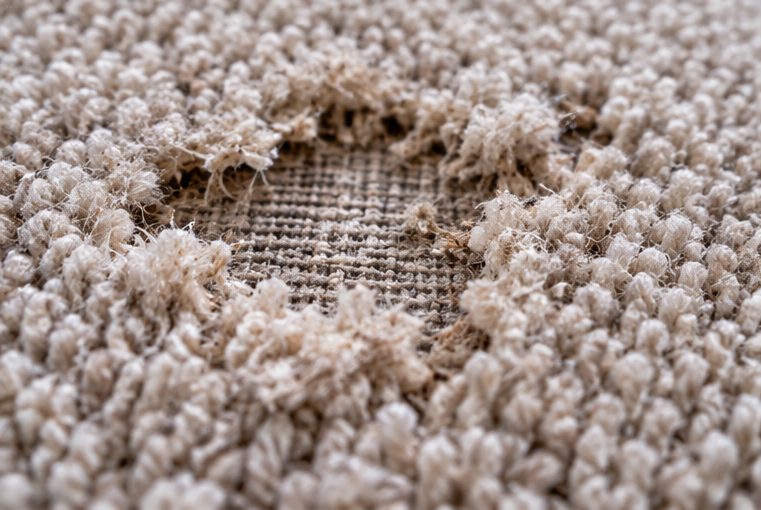
- Live larvae turning up in a treated room
- New bare patches or fresh frass appearing some weeks later
- Trap catches rising rather than falling
- Signs appearing in a room that was not part of the treatment
The last one may mean a separate area needs attention. Compare with the signs of carpet moths before calling. Dated notes and photos make it much easier to explain what has changed.
Planning around building work or a tenancy
If you are renovating, as many owners in Queen’s Park are, tell us the schedule so moths are dealt with before new carpets or furniture go in. In a larger home, decide before the visit whether every room holding wool should be included; where carpet moths hide helps with that. Carpet moth control in Brent is £180 for the first room and £60 for each additional room. Book a visit with a list of rooms.