The same insects, a different meal
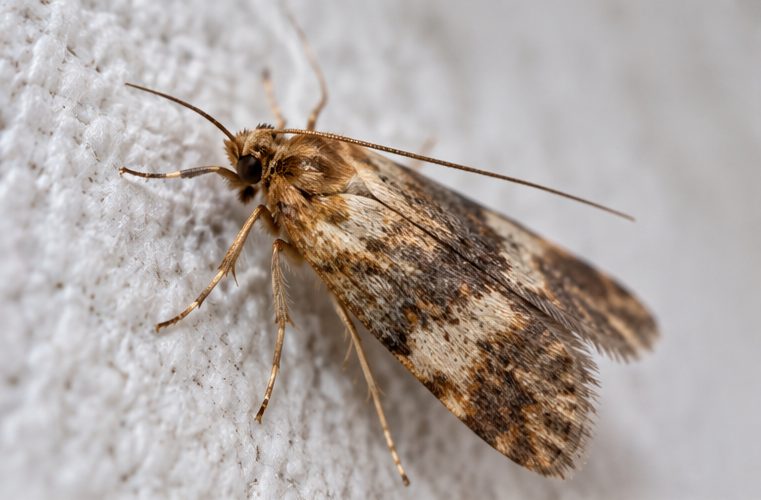
In British homes, the carpet moth is almost always a clothes moth that happens to be feeding on the floor. Its larvae do not care whether the wool is woven into a rug or knitted into a cardigan. The naming is explained in carpet moths or clothes moths.
Clothes most at risk
- Wool, merino, cashmere, mohair and alpaca knitwear
- Wool suits, coats and scarves
- Silk ties, blouses and linings
- Fur, felt hats and leather trimmed with fur
- Down or feather-filled jackets
Homes with a lot of wool, such as the larger period houses of Dollis Hill, often keep many of these items together in one wardrobe or chest. Finding holes in one garment is a good reason to check everything stored beside it.
Why stored clothes suffer more than worn ones
A jumper that is worn and washed regularly is shaken, aired and moved about, which larvae tolerate badly. A coat hung away for the summer, still carrying traces of sweat or a food mark, is left in the dark for months. Larvae go for soiled areas first, which is why damage often appears around collars, cuffs and old stains. The thin plastic covers from a dry-cleaner are not airtight, so they are not a safe long-term store.
Upholstered furniture
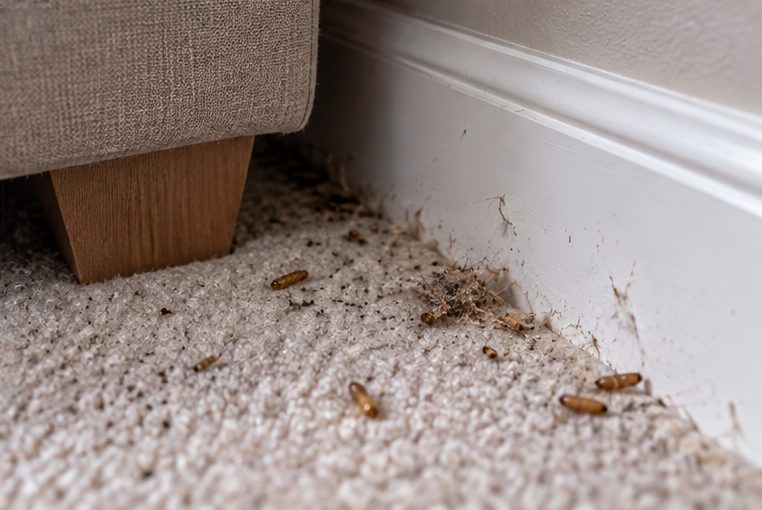
Sofas and armchairs covered in wool fabric can be grazed, most often on the underside, at the back or beneath seat cushions. Antique and reupholstered pieces may be stuffed with horsehair or wool wadding, which larvae also eat. A dust cover under the seat that has not been looked at for years deserves a check with a torch, as do the places where fabric is tucked into the frame and around any buttons.
Curtains, blankets and cushions
Heavy wool or wool-lined curtains, especially where the hem pools on the floor, are a common target. Wool blankets in an airing cupboard, feather pillows and cushion pads, and throws left folded on a chair all belong on the list. So do wool rugs hung on walls and tapestries, because the back is almost never looked at.
What synthetic fabrics do and do not protect
Polyester, acrylic and nylon are not a food source, and cotton is rarely eaten on its own. A blend containing wool can still be damaged, and a synthetic garment stained with food or sweat can be grazed around the mark. Carpet beetle larvae cause a similar pattern of damage; see carpet beetles and clothes.
Dealing with affected clothes
Take everything out of the affected wardrobe or drawers and sort it. Wash what you can at the hottest temperature its care label allows, have delicate items dry-cleaned, and put cleaned items into sealed bags. Throw away anything too badly eaten to save, bagged, in an outside bin. Carrying unbagged clothing through the house can move larvae into rooms that were clear.
Heirlooms and valuable pieces
For a vintage wedding dress, a family rug or antique upholstery, speak to a specialist cleaner or textile conservator about cleaning and repair. People packing up to move, as many do in Cricklewood, sometimes find the damage only when boxes of stored clothes are opened. It also pays to check what else in those rooms has been sitting undisturbed, using where carpet moths hide. Photograph any damage to a valuable piece before it is cleaned, so you have a record of its condition.
Treating the rooms
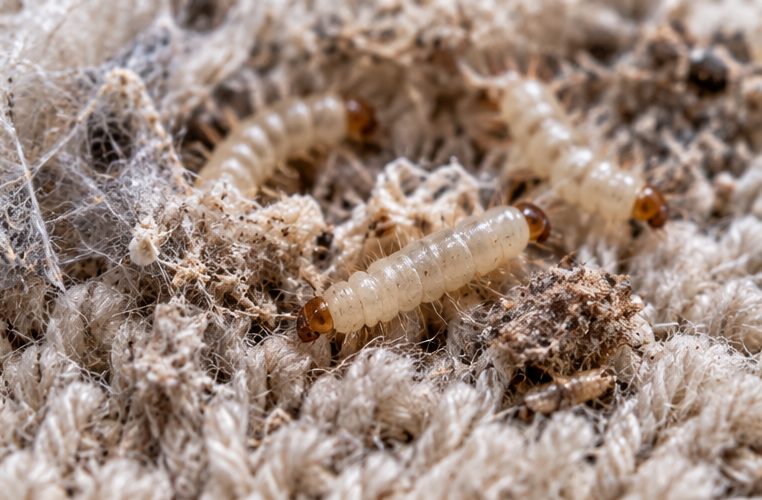
Sorting clothes deals with the items; the larvae in carpets, gaps and furniture remain. Carpet moth control in Brent is £180 for the first room and £60 for each additional room, so a bedroom and a living room would come to £240. Book carpet moth treatment and tell us about the furniture involved.