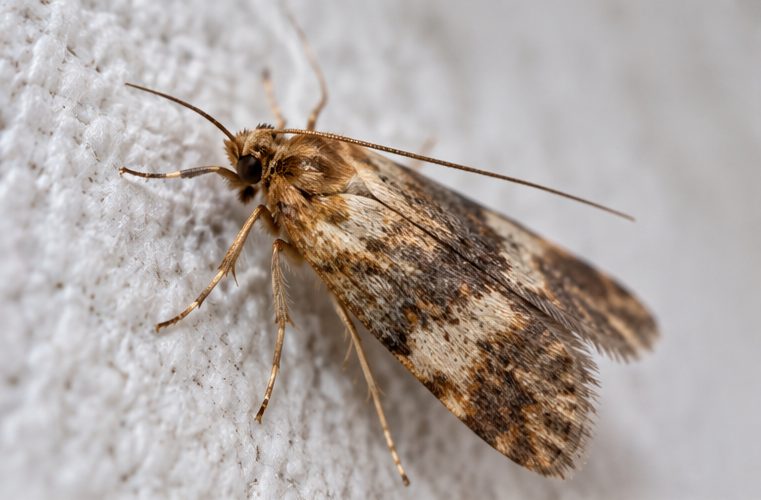
Why preparation matters
The places larvae prefer are the places hardest to reach: beneath beds, behind sofas, at the very edge of the carpet. A room full of boxes and clothes on the floor leaves many of those spots covered. Clearing and cleaning first gives every affected area a fair chance of being dealt with.
Clear the floor
- Pick up shoes, bags, toys and anything stored on the carpet
- Empty the space under beds, including storage boxes
- Take items off the floor of wardrobes and cupboards
- Lift laundry baskets, pet beds and floor cushions out of the way
- Put cleared items in a room with no signs, or keep them bagged
Move furniture where you can
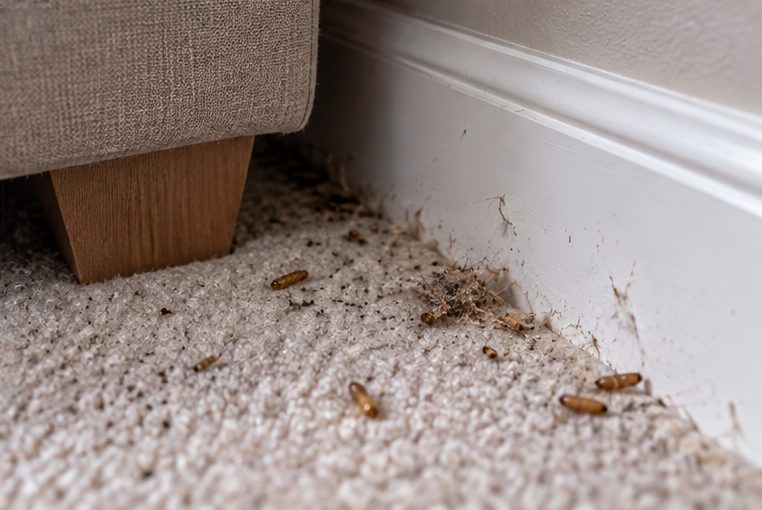
Pull lighter pieces away from walls or into the middle of the room so the edges are exposed. Do not risk injury trying to shift a piano or a heavy wardrobe alone. Tell us about anything fixed or too heavy when booking. If you are not sure why the space underneath matters, read why carpet moths are found under furniture.
Vacuum everything, then empty it outside
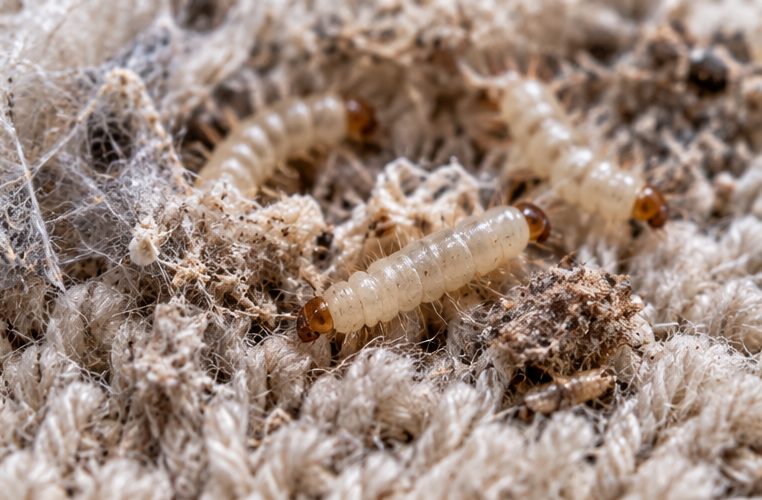
Go slowly over every affected carpet, using the crevice tool along skirting boards, into corners and in the space furniture normally covers. Vacuum both sides of rugs if you can turn them, plus upholstery seams and curtain hems that touch the floor. Afterwards, empty the cylinder or remove the bag straight away, seal the contents in a bag and put it in an outside bin, because eggs and larvae can survive inside the machine. A cylinder vacuum with a hose makes the edges far easier than an upright.
Wash, dry-clean or bag textiles
Sort through wool and silk clothing, blankets and cushion covers from the affected rooms. Wash items at the highest temperature each label allows, send delicate ones for dry-cleaning, and store clean items in sealed bags until the rooms have been treated. Keep bagged items closed rather than moving loose clothes into another room. What is at risk is listed in carpet moths and clothes.
Rugs and valuable items
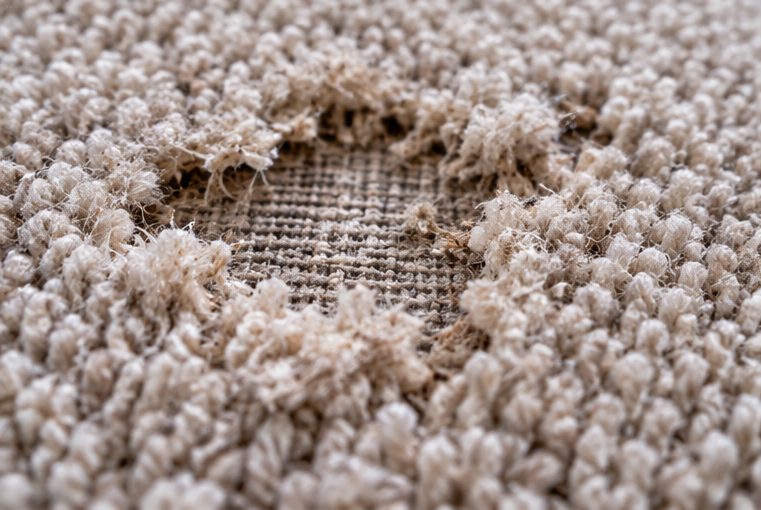
Mention antique, handmade or valuable rugs when you book. Treatment deals with the insects but does not clean or restore a textile, so rugs that need that should go to a specialist separately. Larger homes with a lot of wool, such as the period houses of Dollis Hill, may have several rugs to consider across different rooms.
People and pets
Let us know about pets, fish tanks, babies or anyone with a health condition in the home. You will be told when rooms can be used again and what to do in the meantime; follow that advice. For any question about your pet's health, speak to a vet. If someone in the home cannot easily go out, mention it so the visit can be arranged to suit.
Checking which rooms are affected
Because treatment is organised room by room, it helps to know which rooms actually have signs before anyone arrives. Walk through each with a torch, looking at edges, wardrobes and the floor under furniture, using the signs of carpet moths as a guide. A room that shares a rug or a store of wool with an affected room deserves a closer look even when nothing is obvious yet.
What to tell us when you book
List the rooms with signs, not just the worst one. Say whether the property is occupied or empty; landlords preparing a let between tenancies in Kenton often find an empty house the easiest to get ready. Carpet moth control in Brent is £180 for the first room and £60 for each additional room, so a living room, a dining room and two bedrooms would be £360. Book carpet moth treatment and read how long treatment takes for what follows.