Identifying the larva first
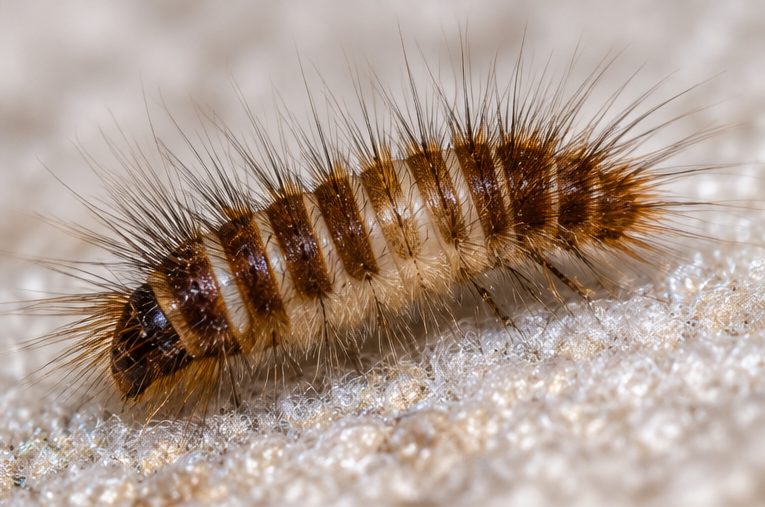
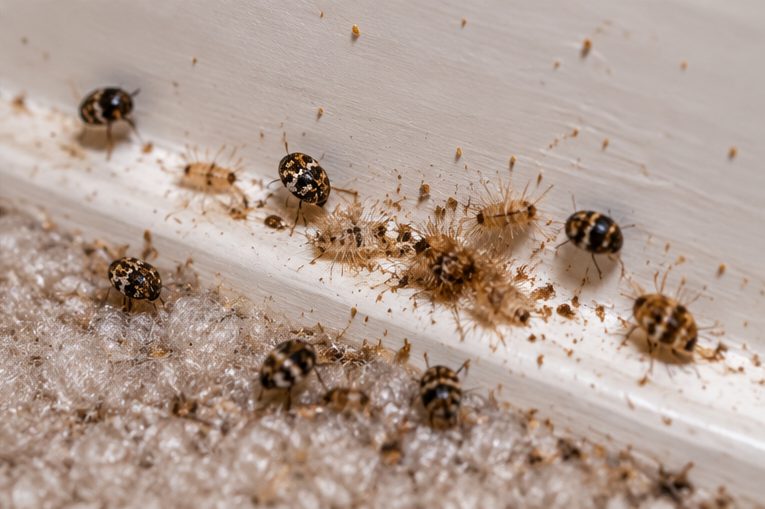
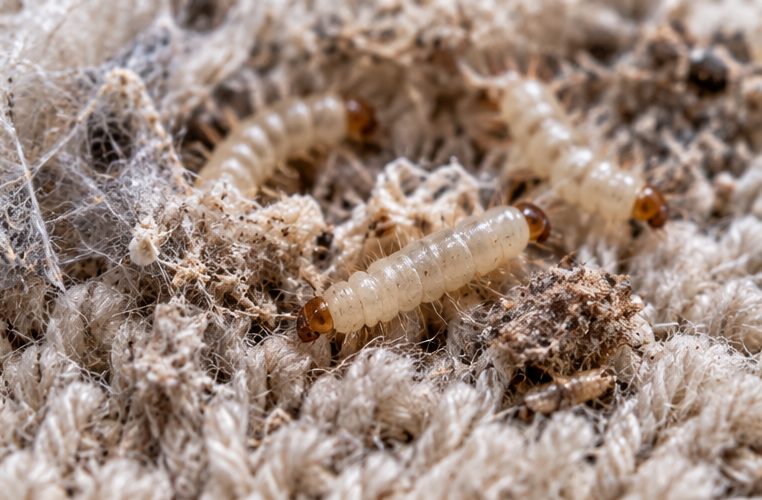
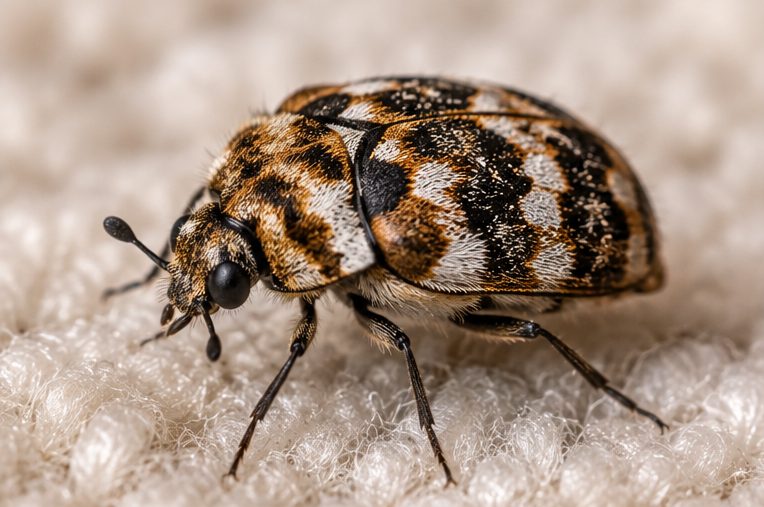
You can tell a carpet beetle larva by its short, hairy, tapered body, often likened to a tiny hairy carrot, and by how little it moves compared with a carpet moth larva, whether that's near Romford, where the market-town centre, or elsewhere in the borough. The adult beetle is small, rounded and patterned, and is often seen on a windowsill trying to get outside, having hatched indoors by accident.
Old bird and wasp nests in the roof
One of the most common sources in the interwar and postwar semis across the borough is an old bird's nest or an inactive wasp nest sitting in the loft or under the eaves. Carpet beetles feed on the feathers, fur and insect debris in an old nest, and once that food runs out the beetles move down into the house looking for a new source, which is often when carpets and stored fabrics start showing damage.
Where else to check
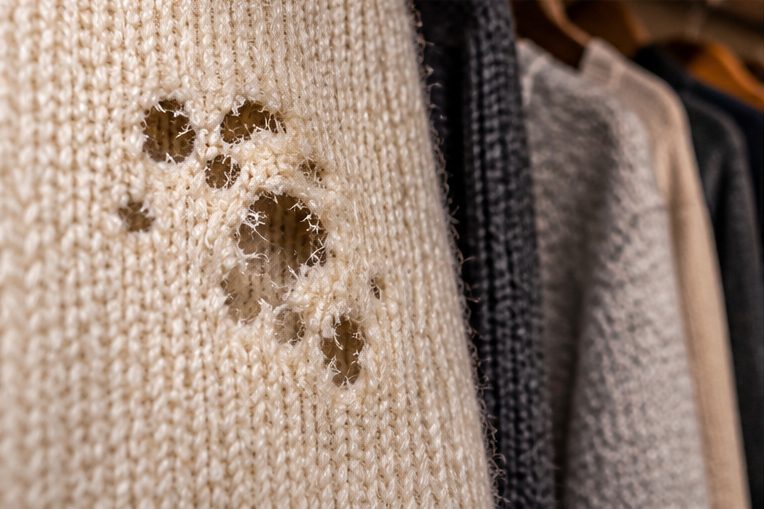
Besides carpets, look at stored woollens, dried flower arrangements, old feather-filled cushions and pillows, and the dusty undersides of furniture that rarely gets moved. Skirting boards near an exterior wall, close to where a nest might sit in the eaves above, are worth checking closely.
Tracing the source
If an old nest above is still active, treating just the carpet rarely fixes a problem that keeps recurring - the same pattern holds near Romford, where the market-town centre. If damage keeps returning after cleaning, it is worth having the loft and eaves checked for an old nest as well as the rooms below.
What to do before treatment
- Vacuum thoroughly, including carpet edges, skirting boards and under furniture
- Wash or dry-clean any affected woollens and feather-filled items
- Remove dried flowers or old nests you can safely reach and dispose of them
- Keep a note of which rooms and items are affected
Booking carpet beetle treatment in Havering
Carpet beetle treatment in Havering is £180 for the first room and £60 for each additional room. The Havering carpet beetle page has the detail. When you book carpet beetle treatment, tell us which rooms are affected and whether you know of any bird or wasp nests in the roof.