Where wasps nest on London homes
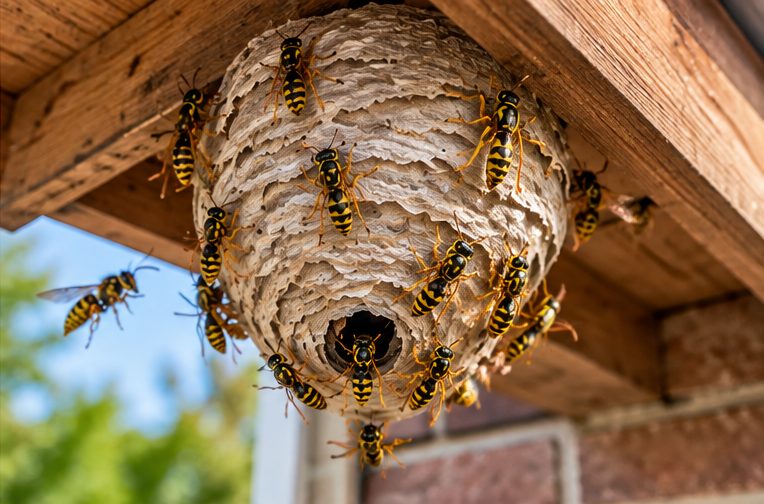
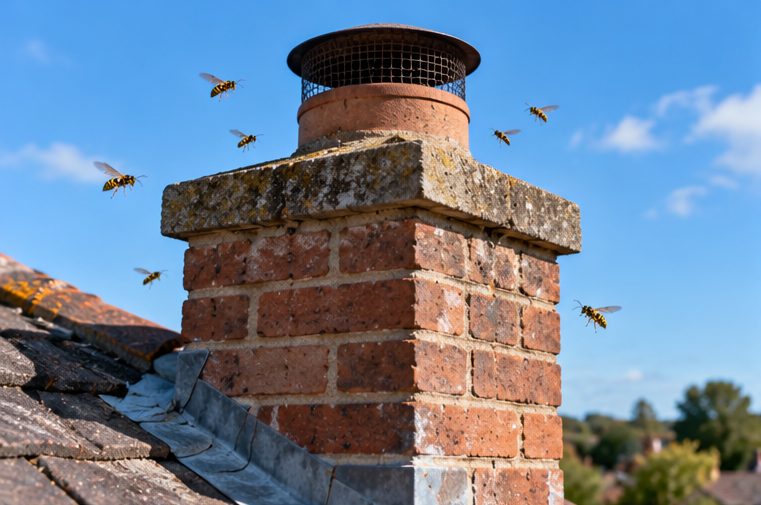
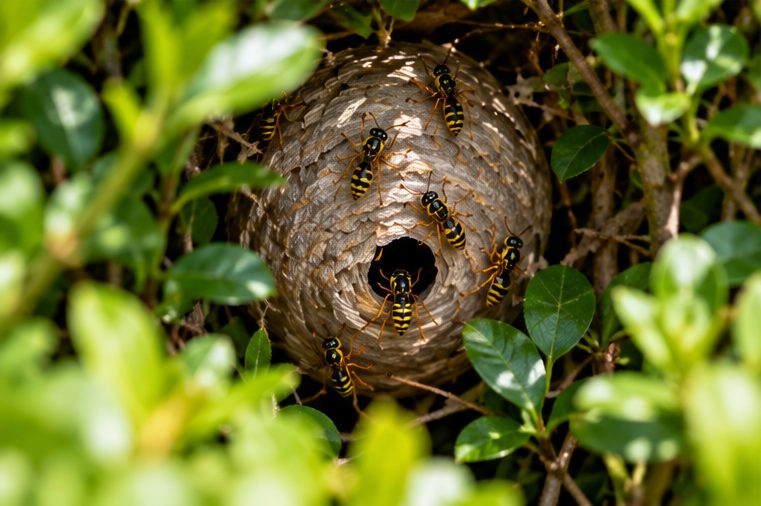
A queen looks for a dry, sheltered cavity close to food, and London housing is full of them. The long eaves and slipped tiles of terraces and semis, air bricks and worn pointing in Victorian walls, disused chimneys, sheds at the far end of narrow gardens, bird boxes, thick hedges and the gaps behind balcony cladding on newer blocks all get used. Where wasps build nests around houses goes round a typical property from roof to ground.
Keep people and pets away
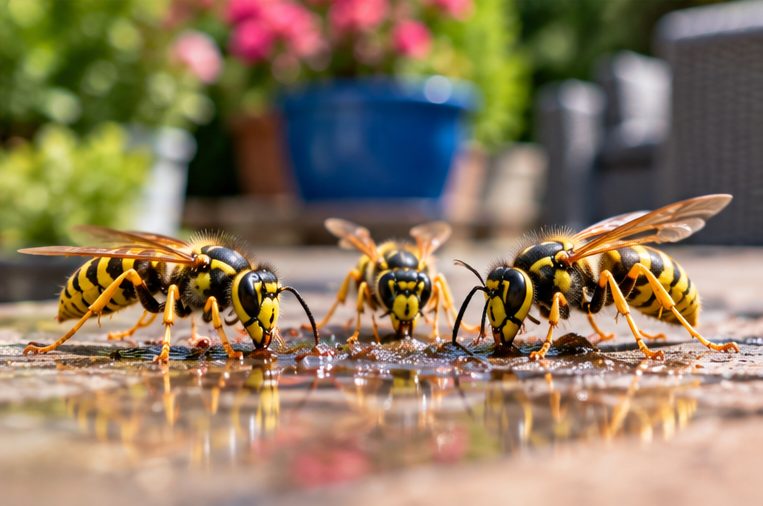
Before anything else, keep children, visitors and pets out of the line between the nest and open air, and close the windows nearest to it. If the nest is beside a front door or a shared path in a block, warn neighbours. Keep bins shut and cover sweet drinks and food outdoors nearby, since they draw more wasps close to people. Do not stand close to watch; even calm-looking wasps will defend a nest if they sense a threat.
Is the nest active?
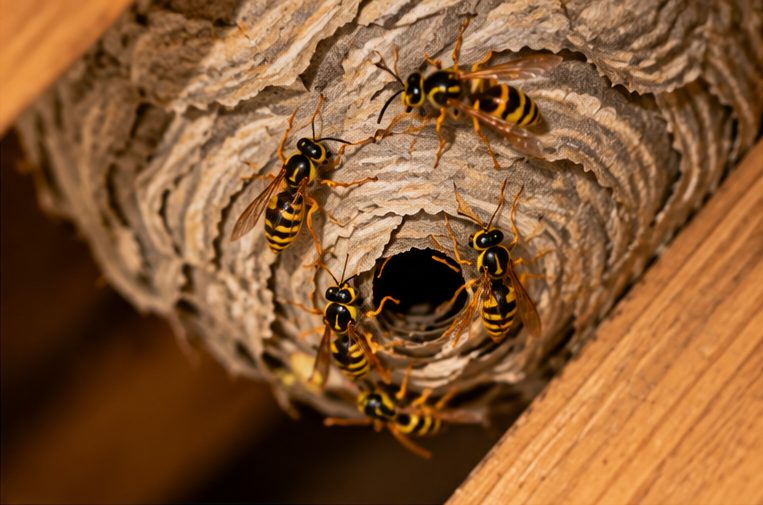
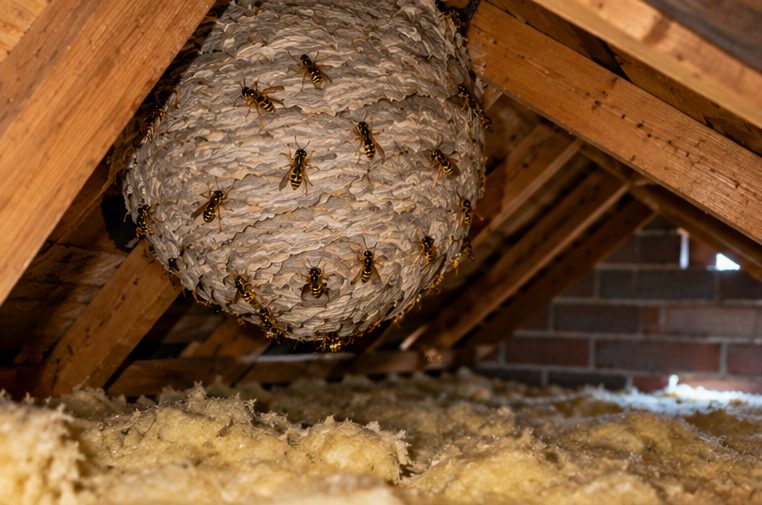
An active nest has traffic. On a warm afternoon, watch from several metres away for ten minutes: a steady stream of wasps flying straight in and out of one gap means a live colony. A grey papery ball in a loft or shed with nothing coming and going, particularly in winter or early spring, is almost certainly left over from a previous year. Colonies die out in autumn and old nests are not reused. A small nest in spring with a single wasp working on it is a young colony that will grow. How to know if you have a wasp nest covers the signs.
Wasps or bees?
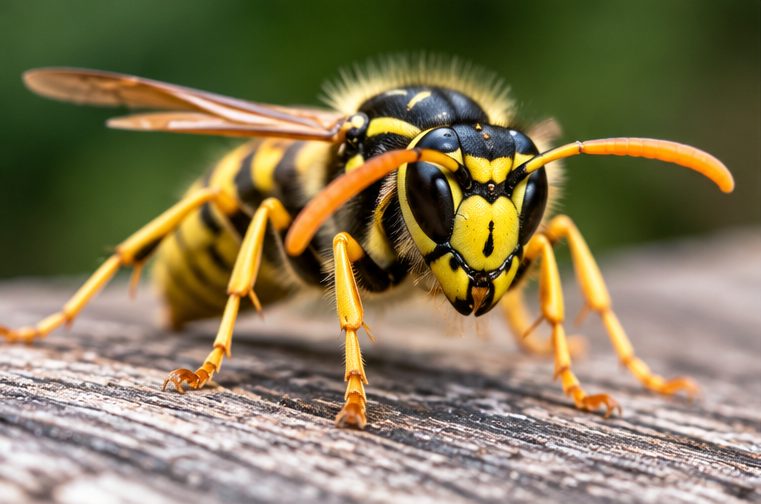
Bees are handled differently and some are best left in peace, so it is worth checking. Wasps are smooth and bright yellow and black, with a pinched waist; bumblebees are round and furry; honeybees are slimmer and browner. Bee nests are waxy, not papery. Wasp nest or bee nest has the full comparison.
Never block the entrance
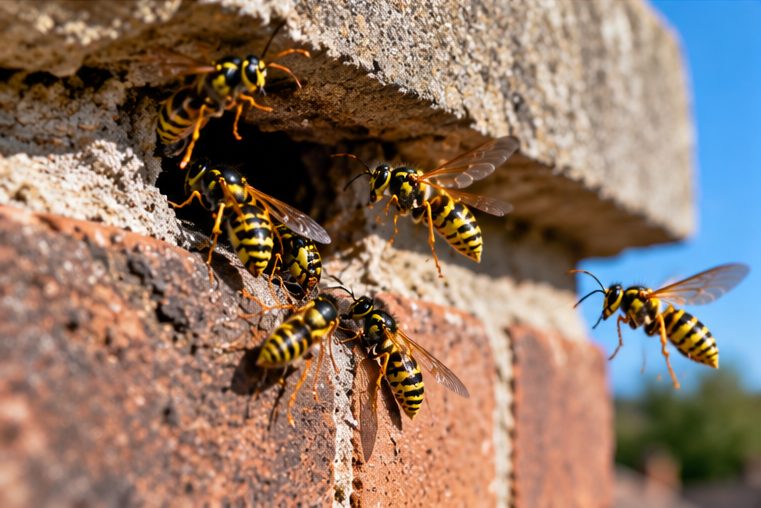
Stuffing the hole with foam, sealant, tape or a rag does not kill the colony. The wasps inside keep working and search for another way out, and in a loft, wall or ceiling void that can mean through a light fitting or plasterboard into a room. Leave the entrance open, both before and after treatment. Wasps nesting inside walls explains what happens with wall nests in particular.
Lofts, walls and the ground
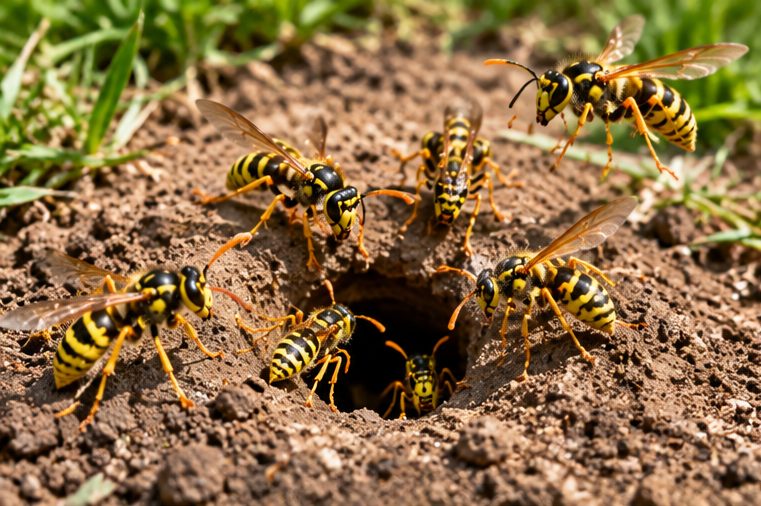
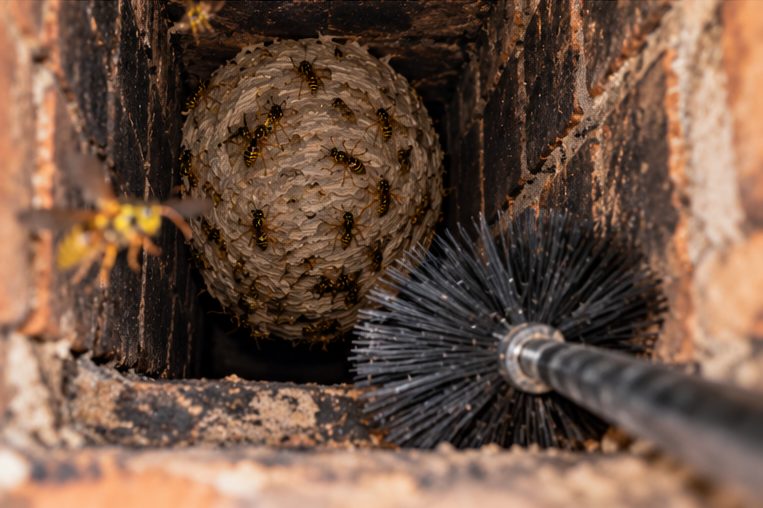
Where the nest is changes what you do while you wait. With a loft nest, keep the hatch shut and stay out of the roof space. With a ground nest, mark the spot from a distance and stop mowing that part of the lawn. With a nest in a wall or chimney, keep the fireplace and the rooms beside it closed off, and tell us if wasps are appearing indoors. With one in a shed or bird box, keep the door or lid shut and leave it alone. Wasp nests in the loft and wasp nests in the ground cover both.
Why not to do it yourself
A disturbed nest defends itself as a group, and many nests are at height, in cramped lofts or underfoot. Shop sprays, knocking a nest down, or pouring water or petrol into a hole all carry a real risk of multiple stings, and the top of a ladder is a bad place to be stung. Is it safe to remove a wasp nest yourself sets out the risks. After a sting, call 999 if someone has difficulty breathing, swelling of the face or throat, or feels faint; for a milder reaction, a pharmacist can advise.
How treatment works
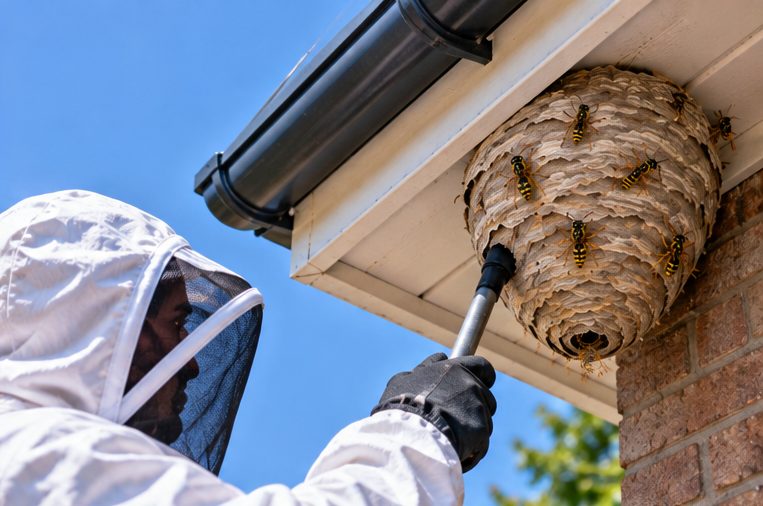
When you book, tell us where the nest is and send a photo if you can. On the visit, the technician wears protective clothing and treats the nest at its entrance, so there is normally no need to open up a wall, lift tiles or dig up a lawn. Wasps that were out foraging keep coming back and meet the treatment when they go in, so activity tails off gradually rather than stopping at once. Stay clear of the entrance and leave it open. The dead nest can usually stay where it is. How long wasp nest treatment takes to work explains what to expect.
Late summer and next year
By August and September, colonies are at full size and wasps are at their most irritable as they hunt for sugar; see why wasps are more aggressive in late summer. A treated nest will not come back, but a new queen may pick the same gap next spring, so closing it during the winter helps. Will wasps return after treatment explains how.
Booking
Wasp nest removal in London is £90 fixed price for a standard nest, and if the nest is still active within 30 days, we come back at no extra cost. Book wasp nest removal and tell us whether the nest is in a loft, wall, chimney, shed or the ground. If you rent, let your landlord know; in a block, the managing agent may need to arrange access to a roof or communal area. If the noise overhead sounds more like running and thumping than a papery rustle, read keeping squirrels out of your loft.