Which Rooms to Book, and How They Are Counted
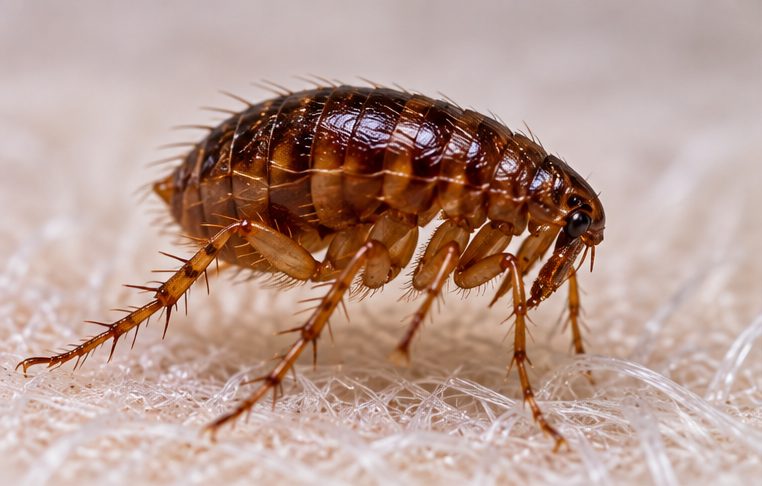
The first room is £180 and each further room is £60, so two rooms come to £240 and a living room with two bedrooms comes to £300. The rooms to book are the ones the animal spends its time in and the ones where people are being bitten, which are usually the same short list: the sofa the dog lies against, the bedroom the cat sleeps in, the room with the deepest carpet. Halls, landings and stairs are not counted as rooms, even though a carpeted stair is a perfectly good place for a flea to be.
In a flat that list is usually compact. In a house where the animal roams three floors it is longer, and it pays to be realistic rather than economical: a room left out because nobody sits in it is a room the population can carry on in. Tell us the layout when you ring and we will go through which rooms genuinely need including.
Your Vet's Part and Ours

The animal is the vet's side of this, and it is not optional. Every cat and dog in the home needs treating, including one that never goes outdoors, and with something the vet has recommended for that animal - a product bought for a dog is not automatically safe for a cat. Keep it going for as long as the vet advises rather than stopping when the bites do, because an animal that loses its protection halfway through starts the cycle again.
The rooms are our side. The timing matters more than most people expect: with the pet treated at around the same time as the property, there is nothing left to re-seed the carpet from. Whether pet flea treatments clear the house explains how the two halves fit together, and preparing a property for flea treatment sets out what to do before the day.
Households with no pet at all
A good share of flea bookings come from homes with no animal in them. A previous tenant's cat, a neighbour's cat slipping through a window, a fox lying up under a shed or decking, or birds nesting in a roof all leave the same thing behind, and in a rented flat with a quick turnover the cocoons can sit waiting for months before anyone walks in. Fleas without pets covers the sources, and flea problems after moving in covers what to do about it, including telling the landlord or the agent.
After the Visit in a Carpeted London Flat
The honest answer to when it will stop is that it tapers. Fleas that were already sealed in their cocoons when the room was treated go on emerging for a while afterwards, so a few bites in the following days are expected and are not a sign that nothing happened. How long that tail runs depends on the property, on how long the problem had been building and on how much floor covering there is. No one can put a date on it and we will not pretend to.
Carry on vacuuming daily for a few weeks, edges and the space under the furniture included, and empty it into the outside bin each time. The vibration works in your favour, encouraging the last of them out of their cocoons rather than leaving them to wait. Keep the animals' protection running on the vet's schedule. If the biting is not easing off, or live fleas keep turning up, tell us which rooms and what you are seeing - why fleas can still bite after treatment explains where the line falls between normal and worth a call.
Flats, Conversions and Shared Houses
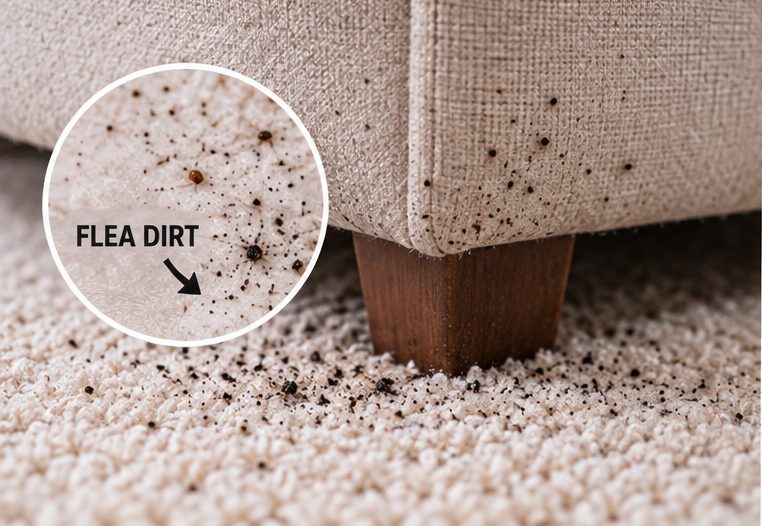
Most London flea work happens on a carpeted floor in a flat, and the building shapes the booking. In a house converted into flats the floors are separate enough that the problem generally stays with the home that has the animal. In a shared house it does not: one resident's pet, or one room with a visiting cat, reaches the rooms and the furniture everybody uses, so which rooms to book is a conversation for the household rather than one person. Furnished lets are their own case, because the carpet stays when the pet leaves. A basement or lower-ground flat with its own door onto a garden takes in what the foxes leave behind far more readily than an upper floor does.
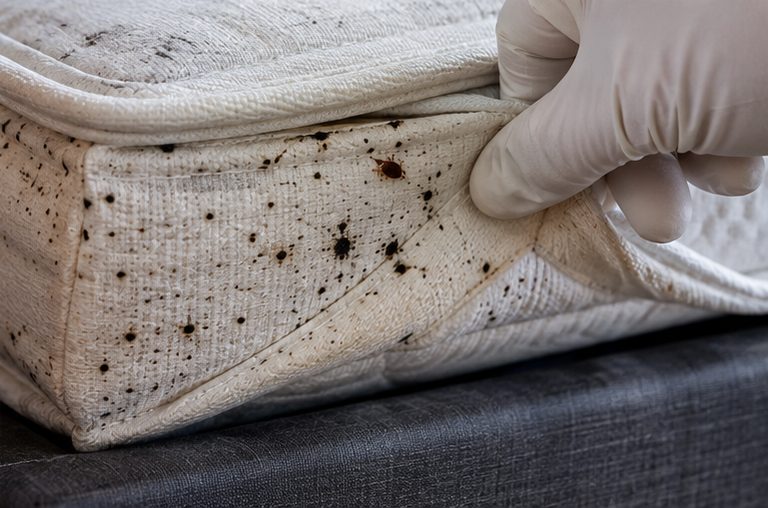
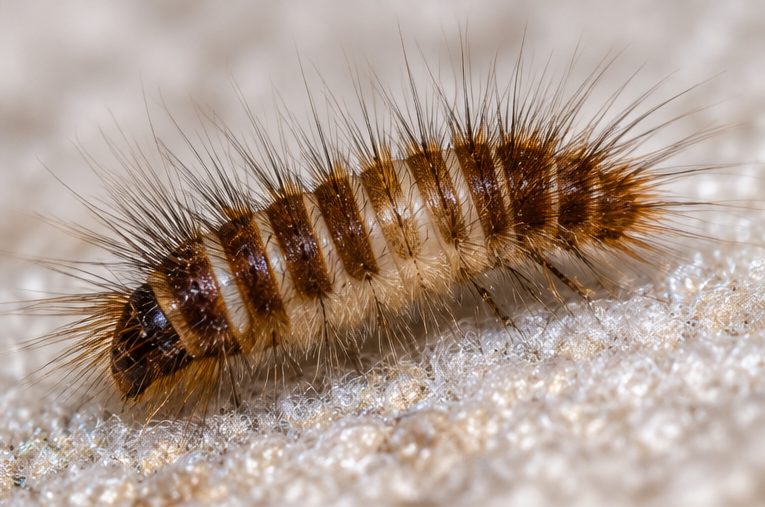
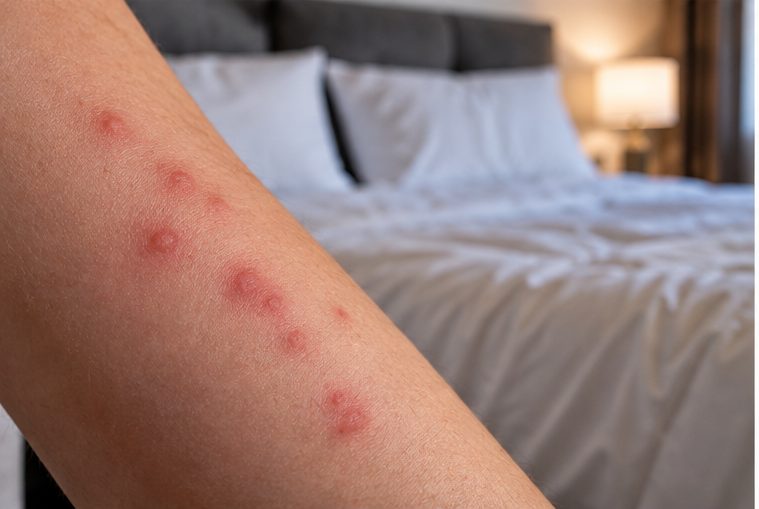
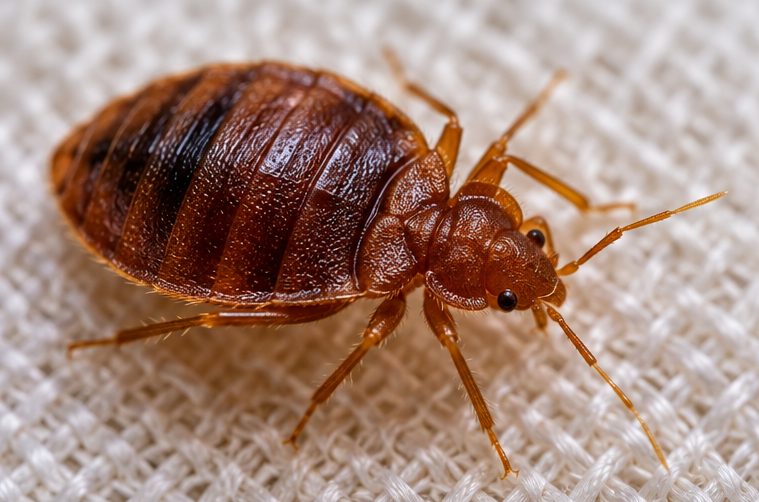
Bites arriving overnight across the arms, neck and shoulders rather than around the ankles are a different pest altogether, and bed bug treatment is the page for that. Itchy skin alongside tiny bristly larvae at a carpet edge points to carpet beetles instead.
Where We Work
Flea treatment covers all 33 boroughs on the same room pricing. Flea Control Brent is the borough page, with the Brent areas below it, and Pest Control Brent lists everything else we do there. For the practical how-to - confirming it is fleas, breaking the cycle in carpets and the mistakes that keep it going - read our London flea advice. How long flea treatment takes to work answers the question most households ask second, after the price.