




What the Hour Is For
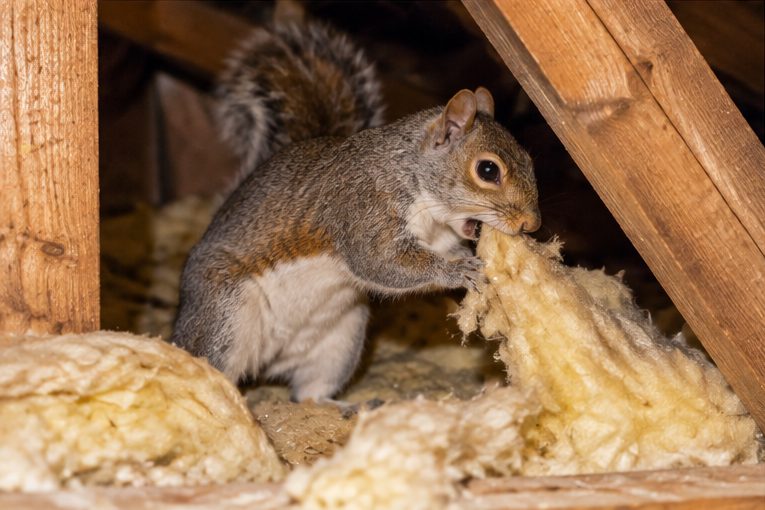
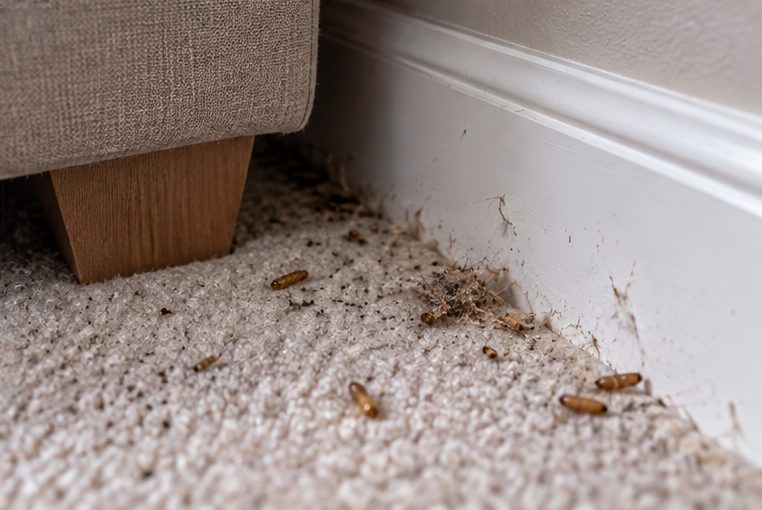
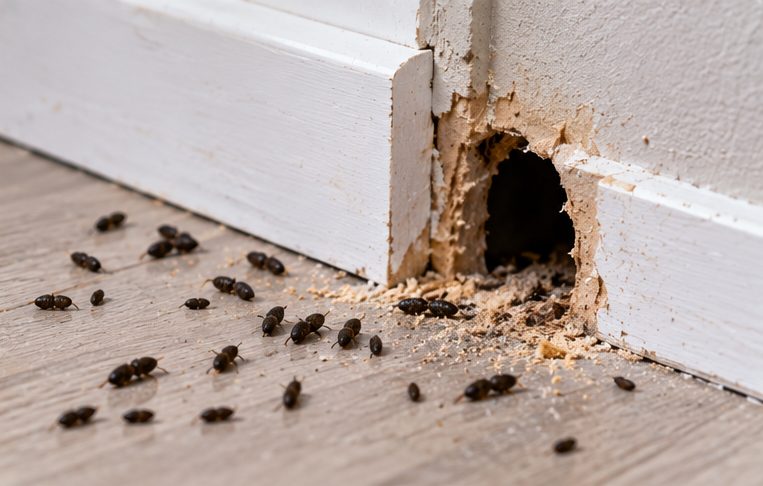
The booking buys up to an hour of work closing the openings rodents have been using, with materials they cannot simply chew back through. It is deliberately a defined piece of work rather than an open-ended one: you know what you are paying before anyone starts, and you are told at the end what was closed and what was not. Most homes have fewer real entry points than people fear and smaller ones than they expect, which is exactly why they go unnoticed for years.
What Counts as Small and Reachable
Two tests decide whether something fits inside the hour. It has to be small enough to seal rather than rebuild, and it has to be somewhere a person can safely get to and work. In London homes that usually means:
- The opening round a waste pipe, gas pipe or cable where it passes through an external wall
- Gaps behind and under kitchen units, including the space behind a loose kickboard
- A cracked or part-missing air brick that still has to breathe
- The foot of a worn door in a side passage, a utility room or an integral garage
- The point where boxed-in pipework meets the floor in a bathroom or kitchen
- Openings left behind a meter cupboard or where a boiler flue passes through the wall
The entry points that come up most often is worth reading before the visit, and the size a mouse can use explains why some of these look far too narrow to matter. If you are not sure which openings are live, the signs that a hole is in use will tell you what to point at.
What Belongs to Another Trade

A builder
Rebuilding perished brickwork, replacing a rotten door or frame, relaying a broken garage floor, closing the structural gap where an extension meets the original house, or opening up a floor to reach a void. None of that is an hour's sealing, and pretending otherwise would waste your money.
A drainage contractor
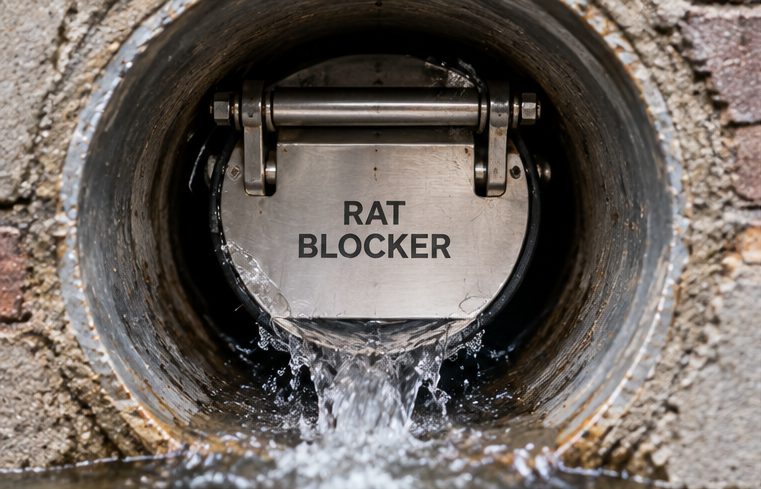
Anything underground. A cracked or disused pipe under a building is found with a camera survey and then repaired, or fitted with a one-way blocker. No amount of sealing above ground closes a route that comes up from below.
A roofer, or the building's freeholder
Slipped tiles, soffit and fascia repairs, and gaps at the roof line are roofing work. In a block or a converted house, shared structure — risers, bin stores, the void above a communal ceiling — is the freeholder's or managing agent's to deal with, however obvious the hole is from your side.
Why Proofing Follows Treatment

Sealing first is the single most common mistake, and it usually makes a problem worse rather than better. A rodent shut inside the structure does not give up; it gnaws a new way out, often into a room rather than back to the garden, and the new opening is harder to find than the old one. There is also the plain unpleasantness of an animal dying somewhere nobody can reach. So the order is: deal with the animals with rat control or mouse control, wait until the signs have genuinely stopped, then book the hour. Before or after treatment sets out the reasoning, and the London mouse guide covers what to watch for while you wait.
Booking the Hour
Tell us this when you call
Whether it was rats or mice, whether treatment has finished, and where you believe they were getting in. Say what sort of building it is and mention anything you already know about: a damaged air brick, a gap under a garage or side door, pipework through an external wall, an opening left after building work.
Clearing the way
An hour goes a long way when the openings can be reached and very little way when they cannot. Move bins, planters and stored items back from the outside walls, clear the cupboards under the sink and around the boiler, and take anything stacked against a garage or side door out of the way beforehand.
What you are told at the end
Which openings were closed, which were left and why, and what any of them needs from another trade. If fresh droppings or new gnawing show up beside something that was sealed, get back in touch rather than waiting.
Where We Work
Across London, in houses, flats and blocks, on the same terms and at the same price. Brent is the borough with pages of its own: Rodent Proofing Brent sits beneath Pest Control Brent, with area pages under that. Commercial premises are quoted per site.