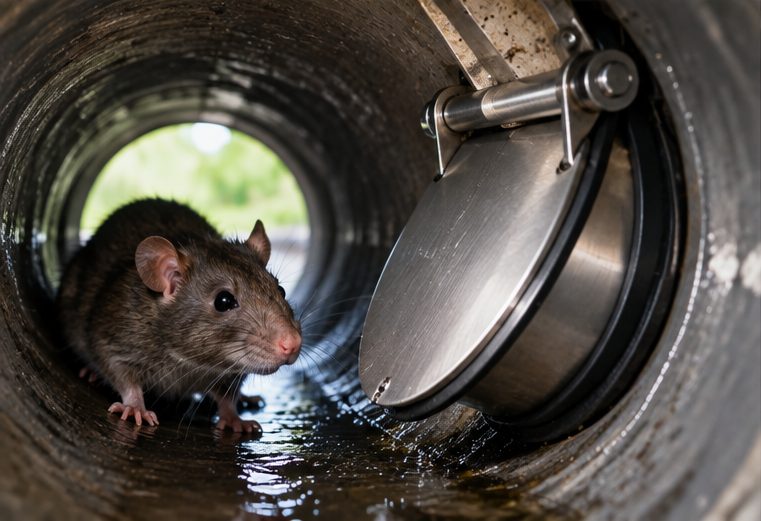
Rats
The Last Few Metres Before the Bank
Most brook-side gardens in N20 have a strip at the far end that nobody uses much: the compost bins, an old shed, a woodpile, a patch left long for wildlife. It is the first ground a rat reaches after leaving the bank, and it decides whether that rat keeps moving along the fence line or settles. Why the brook changes the job compared with a broken drain is set out on Pest Control Whetstone; this page stays in your own garden.
Under the bottom fence
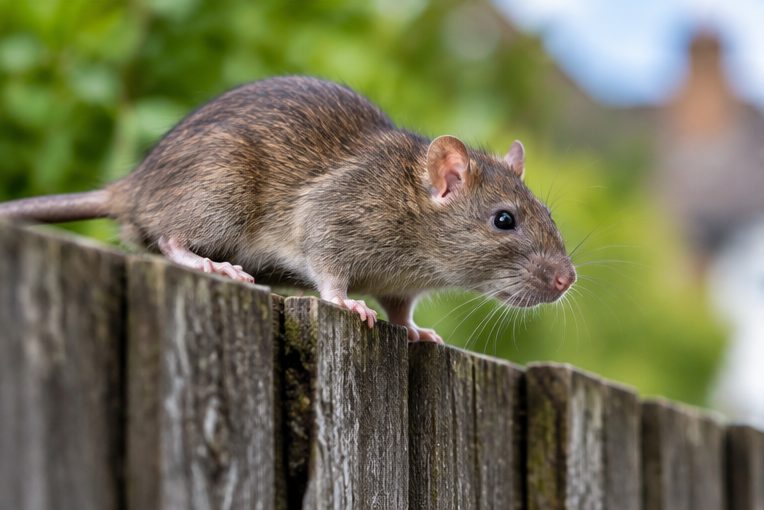
Closeboard fencing on concrete gravel boards leaves few gaps, but older panels, chain-link and hedges along the bank rarely meet the soil cleanly. A rat will use the same shallow scrape under a panel night after night, and it is often visible: a smooth, bare dip with the grass worn away on both sides.
Sheds, compost and hutches
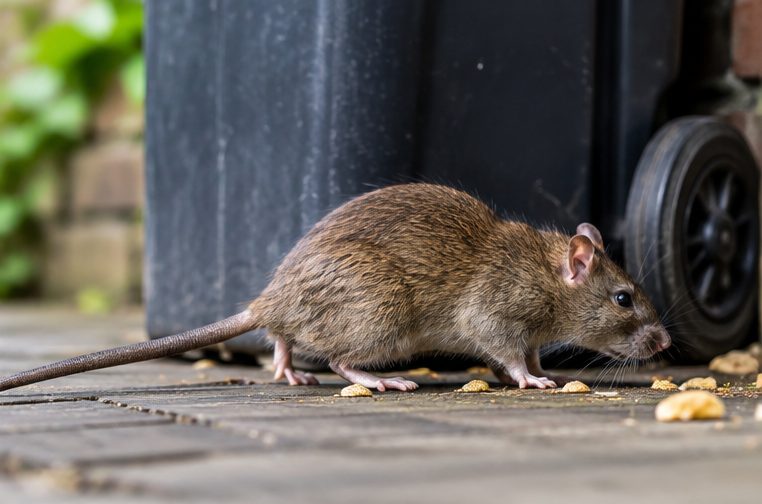
Inside the garden, rats look for dry ground to dig in close to food. The soil under a shed floor, the base of a compost bin standing on earth and the ground beneath a rabbit or guinea pig hutch are the usual places, especially where feed is kept nearby. A chicken run draws them for the spilled grain as much as for shelter. Whether a garden rat means an infestation depends on what you find around these spots.
Crossing to the house
The last stage is the lawn or path between the bottom of the garden and the back wall. Rats keep to the edges, under hedges and behind planters, and then test the building at ground level: an air brick, the joint of a kitchen extension, the gap around a waste pipe. How rats get into homes goes through each route.
What to Look For, From the Fence to the Back Door
- A worn scrape under the bottom fence panel, on the side facing the bank
- Burrow openings roughly the width of a fist beside a shed base or compost bin
- Grain or pellets vanishing overnight from a hutch, run or feeder
- A narrow flattened track along the edge of the lawn or behind a border
- Droppings or dark smear marks by the back door, an air brick or the garage
The first signs of rats covers droppings and marks in more detail. Much smaller droppings in a kitchen drawer, with nothing outside, may mean mice rather than rats.
What to Do Before Anyone Visits
- Stop putting food out on bird tables or the ground for now, and keep hutch and run feed in a metal bin with a lid
- Pick up windfalls and keep cooked scraps out of an open compost heap
- Leave burrows alone: filling them in only moves the rats a metre along
- Keep poison out of the garden, where foxes, birds, pets and the wildlife on the bank can reach it
- Have a word with the neighbours either side, because a rat on your fence line is almost certainly on theirs
Booking and the Visit
When you book rat control, tell us whether the garden backs onto the brook or the Greenwalk, how far the activity is from the house, and whether you keep chickens, rabbits or a bird feeder. Mention a garage, shed or extension, and anything heard indoors. Clear a path down the garden and move whatever is stacked against the shed so the ground around it can be seen. Once the visit is done, the technician will explain what they found along the fence line and around the house, and what comes next. How long it takes depends on the property and how settled the rats are, and how long rat control takes explains why. Get back in touch if new burrows open or droppings appear near the house.
Making the Garden Less Useful to Rats
The bank will always be there, so the aim is a garden that offers little to anything using it. Close the gaps under the bottom fence with a gravel board or buried wire mesh, keep the space under the shed open or skirted with mesh, and stand the compost bin on a mesh base. Keep a clear strip along the back wall. For the building itself, rodent proofing in Whetstone seals small gaps, and rat proofing sets out what else helps. Gardens along the same water in Totteridge and Finchley share the corridor, and the borough-wide picture is on Rat Control Barnet.