The 1930s semi: roof space and cavity wall

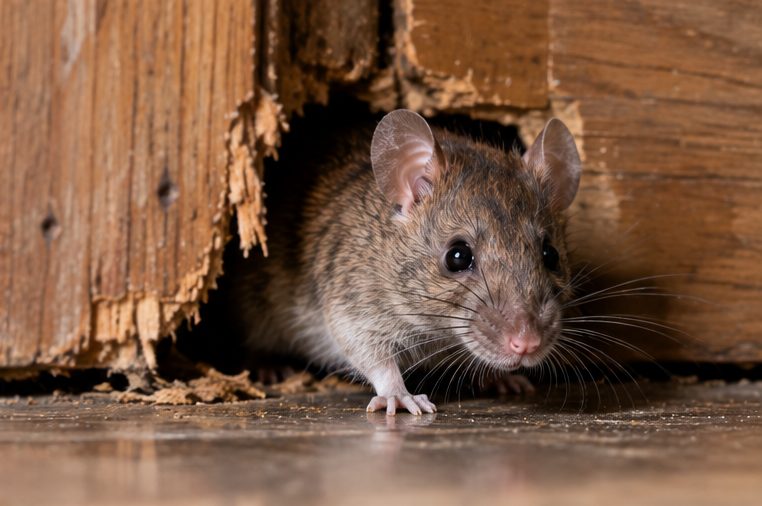
As the weather turns colder, mice in Bexley's 1930s semi-detached houses move into the roof space and cavity walls, using the void between inner and outer brick leaves as a hidden route between rooms. Scratching that seems to travel along a bedroom wall, rather than staying in one spot, is a common early sign.
Older terraces near Bexley Village

In the older Georgian and Victorian terraces around the village, mice more often use suspended timber floors and old chimney breasts as their route through the house, and a nest can sit under floorboards for a long stretch before it's noticed.
Finding the way in
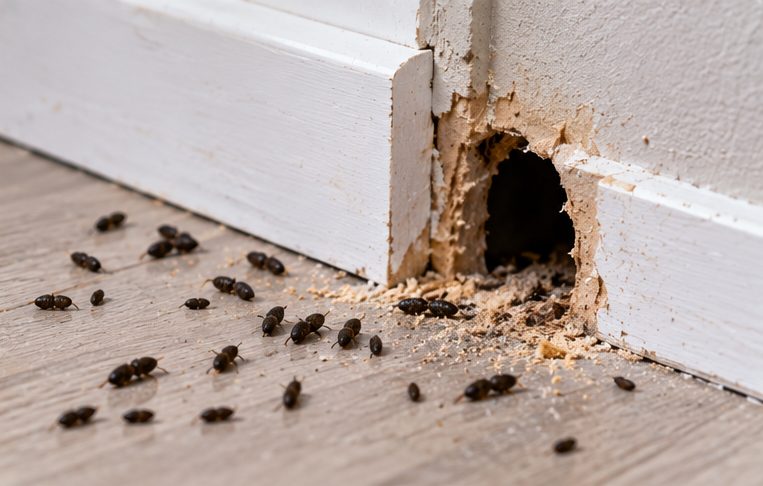
An open door is rarely a mouse's way in, much as it does near Erith, where riverside streets and industrial land along the Thames. Look for a gap around a pipe, a hole behind the kickboards, or a worn threshold, and remember the nest itself is usually only a few metres from a food source - often inside a kitchen void or beneath a nearby floor.
What to do this week
- Move dry food, pet food and bird seed into sealed containers
- Pull out the cooker or fridge if you safely can and check behind it for droppings
- Note where droppings turn up, and whether that changes after cleaning
- Keep an eye on cables and pipework behind appliances for fresh gnawing
- Check with neighbours in a semi-detached pair whether they've seen the same thing
Closing the gaps afterwards
Once activity has stopped, the route needs sealing with materials a mouse can't chew through. In a 1930s semi that's usually a cavity wall airbrick or a pipe entry point; in the older village housing it's more often a gap around a suspended floor or a chimney breast.
Booking mouse control in Bexley
Mouse control anywhere in Bexley is £190 for a flat and £240 for a house, and because around Sidcup, where broad 1930s suburban avenues to the south of the borough, mentioning that when you book mouse control points us towards the likely route in, with the rest of the detail on the Bexley mouse control page.