Why Havering's housing suits mice
A mouse wants warmth, a steady supply of crumbs and a network of hidden passages, and much of Havering's housing supplies all three. The long rows of the Harold Hill estate share roof lines and party walls between houses, while the 1930s-50s semis and bungalows across Hornchurch, Elm Park and Collier Row have low, accessible eaves and voids under the floor. Wherever you live, the building is part of the story.
Signs on the Harold Hill estate
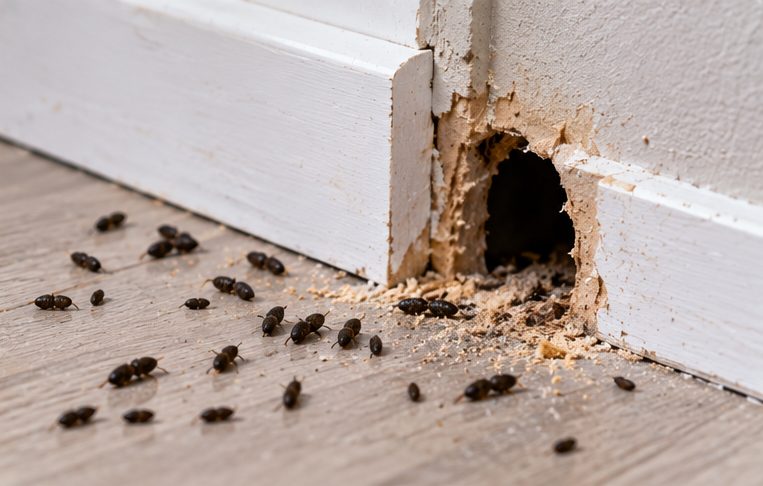
Because so many of the estate's houses share the same construction, a mouse problem in one home often has a twin next door. Droppings under the stairs, gnawed skirting and noise inside a party wall are the usual first signs, and it is worth a quiet word with the neighbours before assuming the source is only your own house.
Signs in Hornchurch, Elm Park and Collier Row

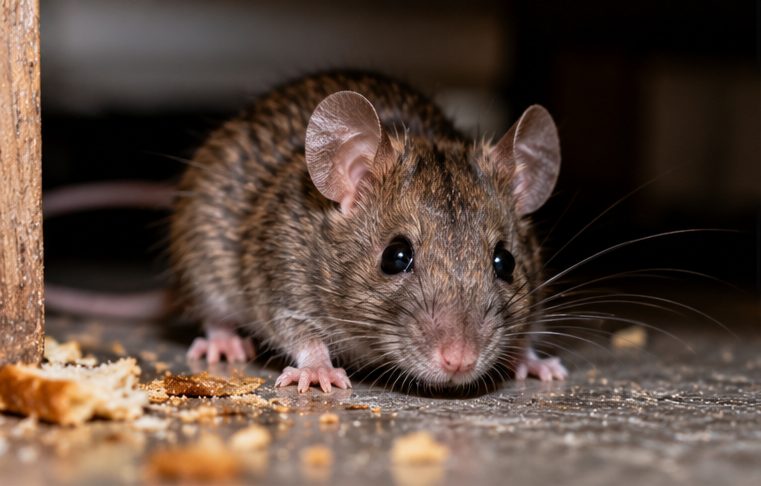
In the semis and bungalows further out, mice are more often found in the kitchen and the loft than moving between houses. Droppings in a cutlery drawer, a nibbled cereal box, or scratching in the roof space above a bungalow's single storey are the usual clues, and a loft here can be a winter refuge that stays quiet all summer.
Finding the way in
An open door is rarely a mouse's way in, true near Gidea Park too, where leafy streets of larger detached houses. The route is usually a gap around a pipe, a hole behind the kickboards or a worn threshold, and in a shared terrace it can start inside next door. The nest itself is almost always a few metres from food, often inside a kitchen void or under a nearby floor, which is why keeping food locked away matters even before the nest is found.
What to do this week
- Move dry food, pet food and bird seed into sealed containers
- Pull out the cooker or fridge if you safely can, and clear what has built up behind it
- Note where droppings appear, and whether they return after cleaning
- Ask your neighbours, landlord or managing agent whether anyone else has seen signs
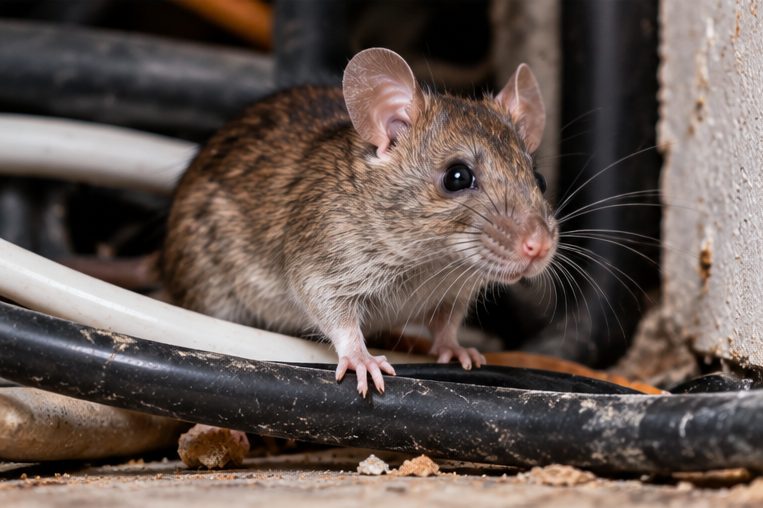
- Keep an eye on cables and pipes behind appliances for fresh gnawing
Closing the gaps afterwards
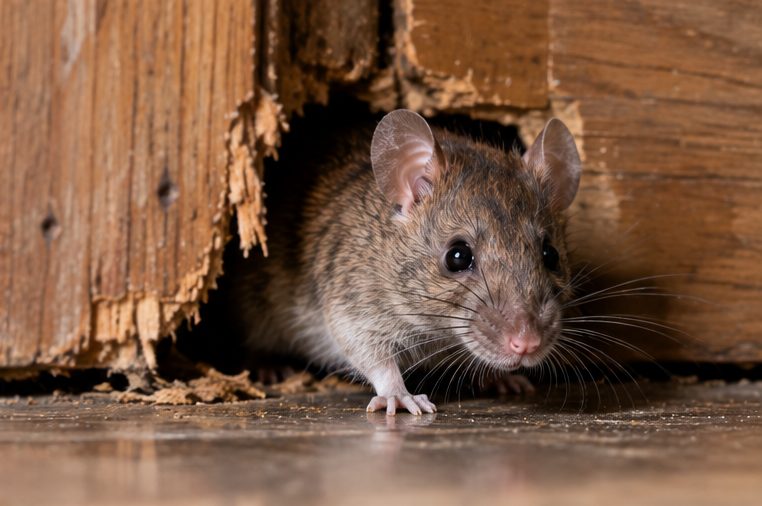
Once activity stops, seal the routes with something no mouse can chew through, true near Elm Park too, where compact 1930s semis built along the arterial road out towards Hornchurch. On the estate, that often means the join between one house and the next; in a semi or bungalow, it is more often the kitchen and the eaves. Building work is a good moment to do it, since gaps under the floor are far easier to reach while it is already open.
Booking mouse control in Havering
Mouse control in Havering costs £190 for a flat and £240 for a house, and the Havering mouse control page has the rest of the detail. When you book mouse control, say whether the house is part of a shared terrace or estate row and whether neighbours have mice too.