Fleas and London homes
Fleas thrive in warm, carpeted rooms, and central heating keeps many London homes at a comfortable temperature for them right through the winter. Cats wander between gardens that back onto each other, foxes cross lawns and rest under sheds, and a rented flat can hold dormant fleas left by a previous tenant's pet for months. Fitted bedroom carpets, deep rugs and the gaps between old floorboards give the young stages plenty of shelter. Numbers often build up in late summer and autumn, when warmth and humidity suit the larvae, but a well-heated home can have a problem in any month.
Check it is fleas
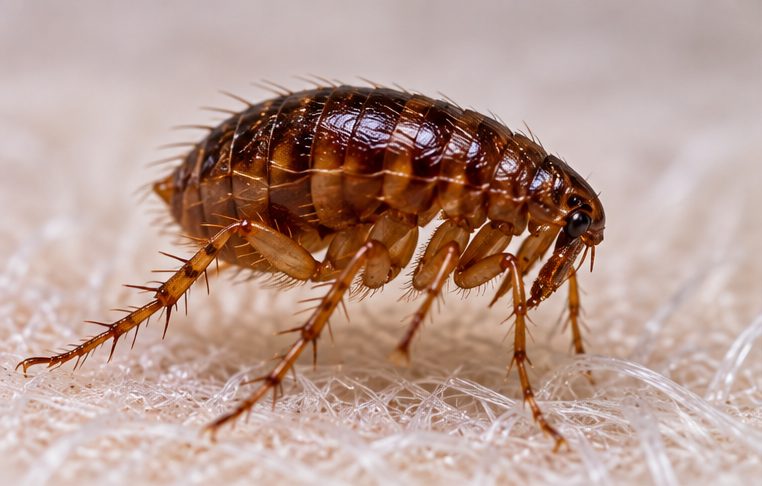
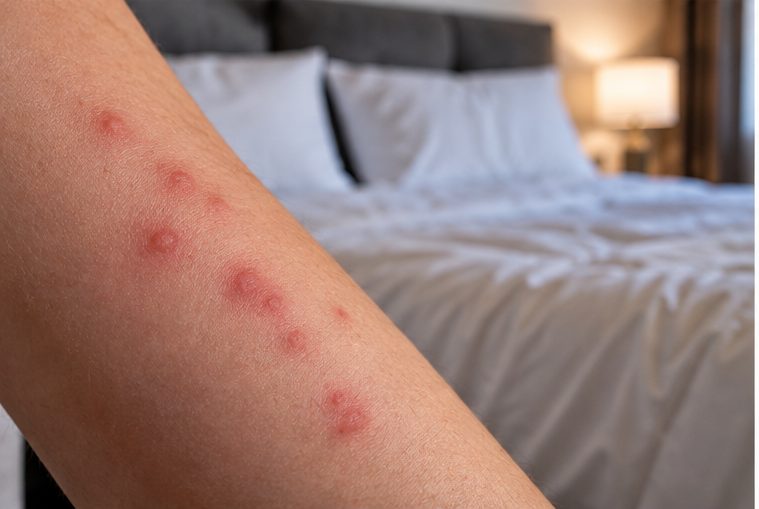
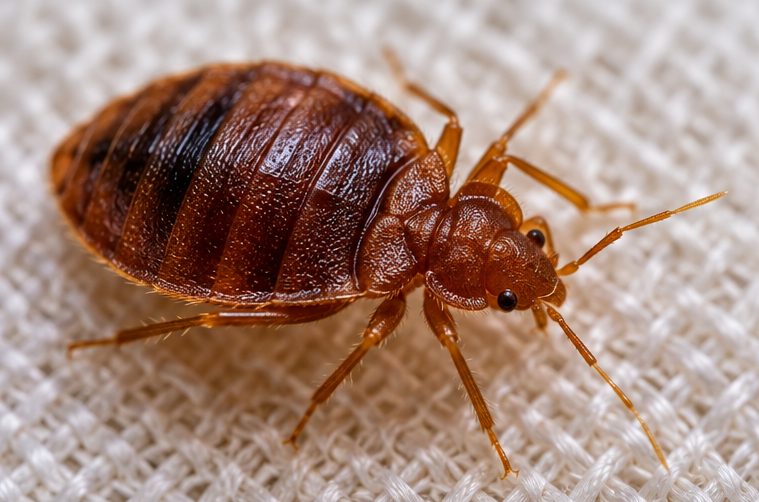
Flea bites tend to be small, very itchy and grouped around the ankles and lower legs. A pet scratching more than usual, tiny dark insects that jump, and specks of black grit in the animal's coat or bedding are the other clues. Tip a few of the specks onto damp white kitchen paper: flea dirt is dried blood and spreads reddish-brown. How to know if you have fleas has more checks. If there is no pet and the bites appear overnight in bed, read getting rid of bed bugs.
Why fleas survive after the pet is treated

Adult fleas live on the animal, but they are only a small part of the population. Each female lays eggs that fall off wherever the pet walks, sits and sleeps. The eggs hatch into larvae in the carpet, and the larvae spin cocoons. A pet treatment deals with fleas on the animal; it does not reach the eggs, larvae and cocoons already spread through the house, so new adults keep emerging and jumping on, and onto you. Whether pet flea treatments clear the house explains how the two fit together. Keep the pet treatment going for as long as your vet advises; stopping early is a frequent reason fleas hang on.
The life cycle in your carpets
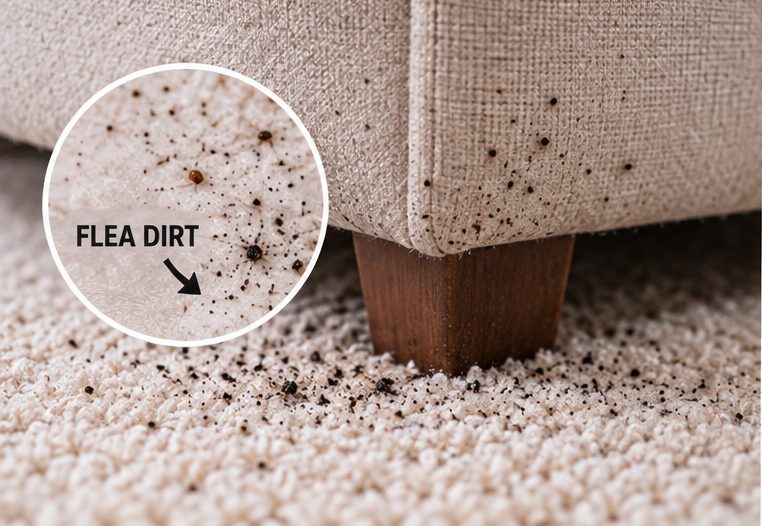
Flea larvae shun light and work their way down into the carpet pile, under furniture and between floorboards, feeding on flea dirt and household debris. When ready, each spins a sticky cocoon that quickly picks up dust and fibres. Inside it, the young flea can wait until it senses warmth, movement or vibration, such as someone walking into a room that has been empty. That is why people coming back from holiday, or moving into an empty flat, can be bitten heavily in the first few days. Where fleas hide around the home maps the likeliest spots.
Breaking the cycle yourself
- Vacuum every day for a few weeks, including edges, under beds and sofas, the stairs, and the car if the pet rides in it
- Empty the vacuum into a sealed bag and take it straight to the outside bin
- Wash pet bedding, throws and cushion covers on a hot wash, as far as the care labels allow
- Treat every cat and dog in the home at the same time, with a product your vet recommends
- Never use a dog flea product on a cat; some contain ingredients that are highly toxic to cats
- Keep pets out of bedrooms until the problem is over
If the cat or dog sleeps on beds or sofas, wash the covers and vacuum the cushions and seams as well; fleas in beds and sofas explains what needs attention and what does not.
Regular vacuuming does more than lift fleas out of the carpet. The vibration encourages adults to leave their cocoons, and removing flea dirt takes away what the larvae feed on.
No pet, or just moved in?
Fleas can come from a previous occupant's animal, a neighbour's cat that slips in through a window, or foxes and birds living under the floor or in the roof. Fleas without pets covers the sources, and flea problems after moving explains what to do if the bites start after a move, including telling the landlord or agent. In a shared house, a pet or visitor in one room can affect every room, so talk to the others before booking.
Mistakes to avoid
- Stopping the pet's treatment as soon as the bites stop
- Setting off a flea bomb in one room and assuming the job is done
- Dealing only with the bedroom where the bites happened when the pet sleeps downstairs
- Putting the vacuum cleaner away after a day or two
- Using a product meant for one animal on a different animal without asking a vet
Getting the property ready
Before a visit, clear the floors, get stored items out from under beds, vacuum thoroughly and wash the pet bedding. Arrange for your pets to be treated by the vet around the same time, and keep them out of the rooms on the day. Preparing a property for flea treatment has a checklist. Some bites afterwards can be expected while the last fleas emerge; why fleas are still biting after treatment explains when that is normal and when to get back in touch.
Cost
Flea treatment in London is £180 for the first room and £60 for each additional room. A living room and two bedrooms would come to £300; halls, landings and stairs are not counted as rooms. Book flea treatment and tell us which rooms the pet uses.