Why there is no fixed timescale
A flea problem is a mix of four stages at once: adults, eggs, larvae and cocoons. A home where a cat picked up fleas a few weeks ago is very different from a house where a dog has had fleas all year and every room is carpeted. The size of the property, the number of rooms affected and whether pets are treated all change how long it takes for bites to stop.
The cocoon is the slow part
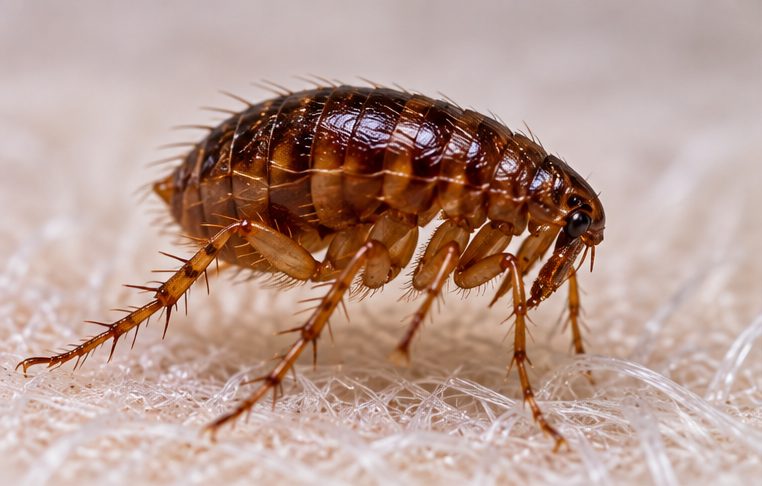
Once a larva has spun its cocoon, the young flea inside is well protected and can wait for weeks. It stays put until it senses that a host is nearby — footsteps, body heat, or the carbon dioxide we breathe out — and only then emerges. Those fleas were already in the carpet before the visit, and they come out on their own schedule.
What normally happens afterwards
Many households notice fewer bites fairly soon, followed by a tail of occasional fleas as the remaining cocoons hatch. Seeing a flea on your sock, or getting the odd bite, during that period is expected. What you should see over time is the numbers falling rather than staying the same or climbing.
Keep vacuuming
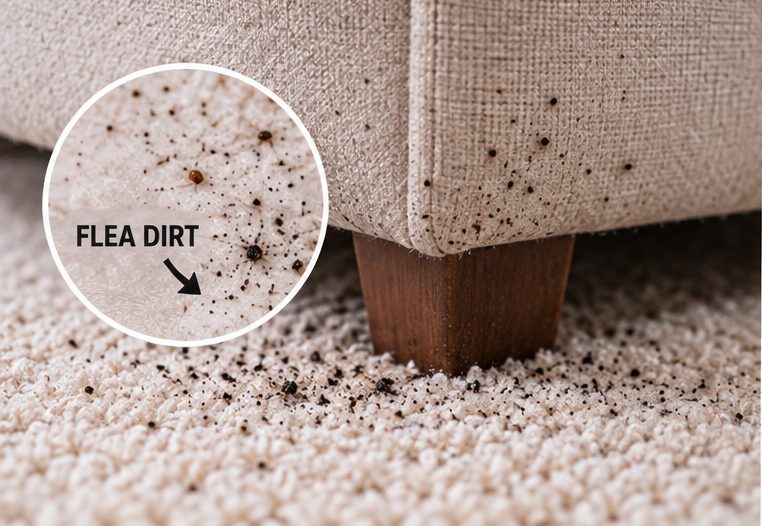
Regular vacuuming after treatment is one of the most useful things you can do. It brings waiting fleas out of their cocoons sooner, lifts flea dirt out of the pile and picks up any stragglers. Keep going along the edges and under furniture, not just the middle of the room, and empty the vacuum into the outside bin each time.
The weather and the heating
Fleas develop faster when a home is warm, which is one reason flea problems are often noticed in late summer and autumn. Central heating keeps them going through the winter too, so a flea problem is not something that simply dies off when the weather turns cold. Where the cocoons are, and how warm those rooms are, both play a part in how quickly the last of them hatch.
Live in the rooms normally
It is tempting to shut up a bitten bedroom or stay somewhere else for a while. Unless we have told you otherwise, using the home as normal helps, because the movement and warmth of people are what make the remaining fleas hatch. A spare room nobody walks in can keep cocoons waiting far longer.
Pets set the pace

If a cat or dog is on flea treatment recommended by a vet, the home stops getting new eggs. If a pet misses a dose, or one animal is left out, a fresh generation starts and the clock resets. Keep to the schedule your vet gives you for as long as they advise.
Bigger, older infestations
Where fleas have been left for months, with deep carpets in many rooms, there are simply more cocoons to work through. Family homes with several animals, such as many in Sudbury, can take longer to settle than a small flat with one cat. It depends on the property and on the infestation. Thick wool carpets in older houses, like the larger period homes of Dollis Hill, give cocoons plenty of depth to sit in.
Signs it is working
- Fewer fleas picked up on a white sock walk
- Pets scratching and grooming less
- Fewer new bites appearing on ankles and legs
- Less fresh flea dirt in pet bedding
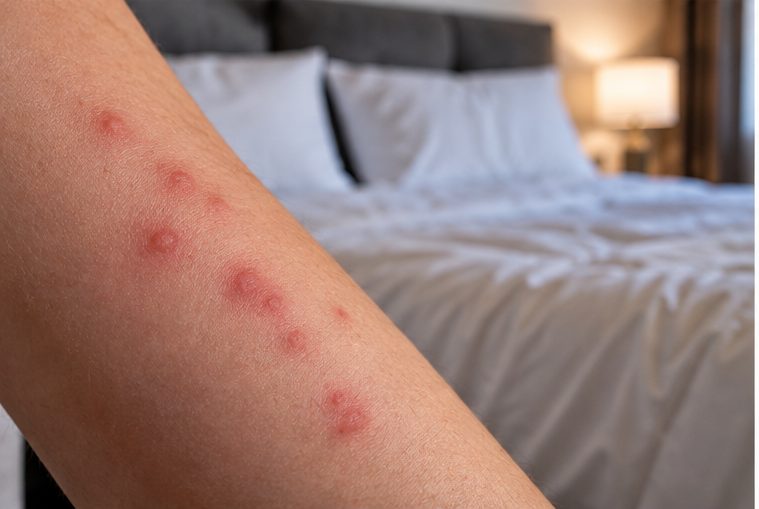
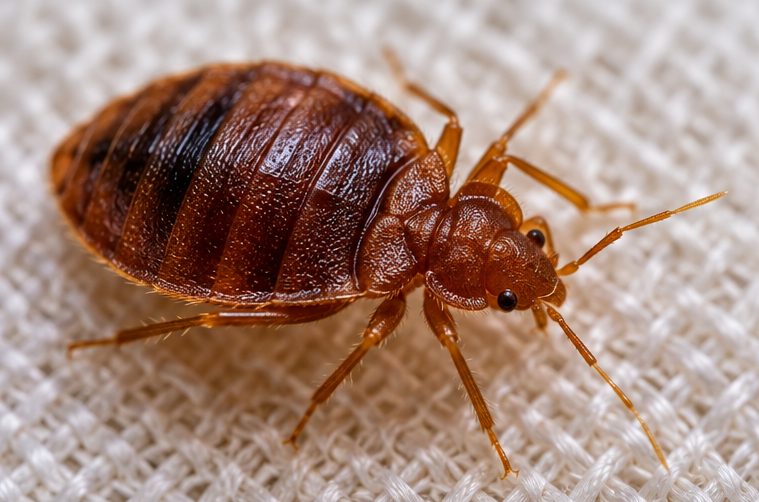
If bites are not easing at all, or seem to be getting worse, read why fleas are still biting after treatment and then contact us. If the bites look more like lines on the arms and neck than clusters on the ankles, check bed bugs or fleas.
Getting started
The sooner the life cycle is interrupted, the fewer cocoons there are to hatch. Flea treatment in Brent is £180 for the first room and £60 for each additional room, so two rooms would be £240. Before the visit, work through how to prepare a property for flea treatment, and book flea treatment when you are ready.