It depends on the agreement and the property
Whether a flea treatment should be done between tenancies, and who pays for it, depends on what the tenancy agreement says and on the state of the property at the end of the let. Some agreements that allow pets include a clause about professional cleaning or flea treatment at check-out; many say nothing. This guide is general information, not legal advice — if you are unsure of your position, check the agreement or take proper advice.
Why an empty let is a flea risk
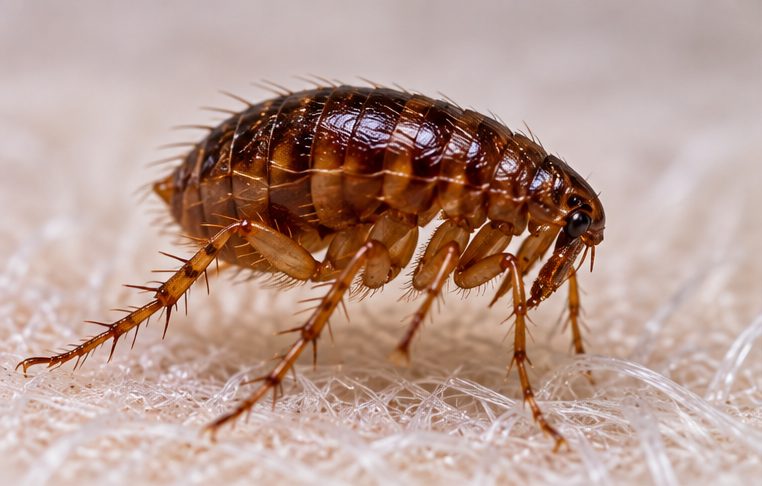
When a tenant with a cat or dog moves out, flea cocoons can stay in the carpets. With no one living there, they do not hatch. The property can pass an inventory, a clean and several viewings, then produce biting fleas within days of the next tenant arriving, because footsteps and warmth are what bring the adults out.
What to look for at check-out
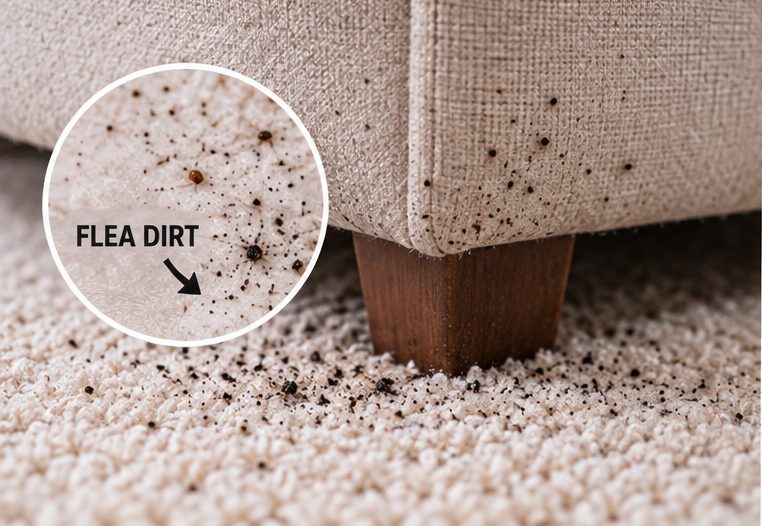
- Pet bedding, bowls or scratching posts left behind
- Dark specks along skirting boards or in carpet where a pet bed stood
- Specks that turn reddish-brown on damp white paper
- Fleas landing on a white sock during the inspection walk-round
Photograph anything you find and add it to the check-out report. The home checks are explained in how to know if you have fleas.
Avoiding a dispute in the first week
A new tenant who is bitten straight after moving in is unhappy, and the conversation about who is responsible often starts badly. Dealing with a known risk before they arrive avoids that. Where a deposit deduction is being considered, it has to be justified, and a tenant can dispute it through the deposit protection scheme, so clear evidence from check-out matters.
Timing it in the void period
The best time is once the outgoing tenant's belongings have gone and before the new tenant moves in. Tell us when cleaning or carpet work is booked so the order of jobs can be planned, and make sure the power is on so the floors can be vacuumed. Preparing an empty property is covered in how to prepare a property for flea treatment.
Shared houses and HMOs

In a house let by the room, one tenant's pet or a visiting cat can affect the shared lounge and landing as well as their own room. Landlords with shared houses in Kilburn may need to deal with several rooms at once, and to tell the other occupants what is happening.
Landlords with more than one let
For landlords and agents managing houses between tenancies in areas like Kenton, per-room pricing makes a void-period treatment easy to budget. Deciding in advance which lets allow pets, and what the agreement says about fleas, keeps things consistent. It also helps to agree with the letting agent who checks for fleas at check-out, so the question is not left until the new tenant calls.
When a tenant reports fleas mid-tenancy
If the current tenant has a pet, fleas are usually linked to that animal, and the tenancy agreement will guide who arranges treatment. If they have no pet and have just moved in, the cause may be the previous occupant's animal — see flea problems after moving into a new home.
Cost for a void property
Flea treatment in Brent is £180 for the first room and £60 for each additional room. For a vacant two-bedroom flat with a carpeted living room, that is three rooms, £300. Book flea treatment with the property address, access arrangements and the number of carpeted rooms, plus the date the next tenant is due to move in.