Why the floor needs to be clear
Most of a flea problem sits in the carpets, rugs and floor gaps, including the parts under furniture that nobody looks at. Anything left lying on the floor hides part of the area that needs treating and gets in the way on the day.
Clearing each room
- Pick up toys, shoes, bags, clothes and laundry baskets
- Empty the space under beds and move storage boxes off the carpet
- Lift pet bowls, beds and scratching posts out of the way
- Move small, light furniture away from the walls if you can do it safely
- Put anything fragile or valuable somewhere out of the way
Vacuum thoroughly the day before
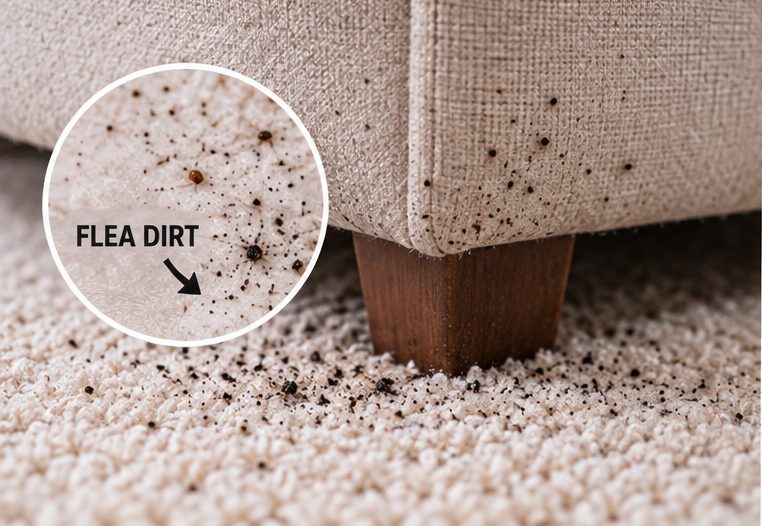
Go over every carpet and rug in the rooms being treated, slowly, in more than one direction. Use the crevice tool along skirting boards, round radiator pipes, in the corners of stairs and down the sides of sofa cushions. Vacuuming lifts out eggs and larvae, and the vibration encourages adults to leave their cocoons.
When you have finished, take the vacuum outside to empty it. Seal a bag or the contents of the canister in a plastic bag and put it straight in the outside bin, so nothing crawls back in.
Hot-wash the pet bedding
Wash pet beds, blankets, throws and any cushion covers the pet uses on a hot cycle — 60°C where the care label allows — and dry them thoroughly. Carry laundry to the machine in a bag or basket rather than shaking it out on the way. A very old, flattened pet bed that cannot be washed is often easier to throw out and replace. Bed linen from beds the pet sleeps on should go in the wash too.
See the vet about your pets
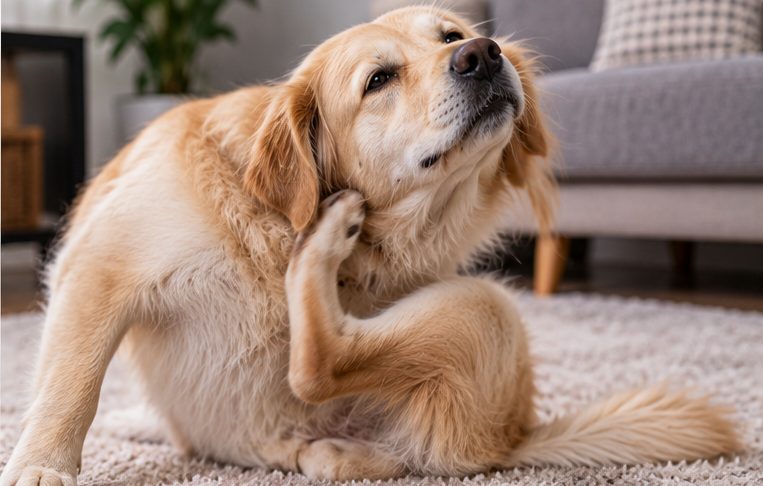
Every cat and dog in the home needs flea treatment recommended by your vet, at around the same time as the house is done. If an untreated pet keeps collecting and feeding fleas, it will soon be dropping eggs on freshly treated carpets. Why the two go together is explained in do pet flea treatments get rid of fleas in the house.
On the day
When you book, we explain what needs to happen on the day, including arrangements for people and pets, and when it is fine to use the rooms again. Mention any other animals in the home as well as cats and dogs, and anything about the household or access that would help us plan the visit.
Counting your rooms
Decide which rooms need doing: normally every room the pet has access to and any room where people are being bitten. Flea treatment in Brent costs £180 for the first room and £60 for each additional room — three rooms come to £300, four rooms to £360. If you are unsure whether a room counts, ask when you book.
Empty properties are easier
A flat or house with no furniture in it is the simplest to prepare: vacuum right to the edges and make sure the electricity is on so the vacuum can be used. Landlords and agents in places such as Kenton often arrange it between tenants — see do landlords need flea treatment between tenancies.
After the visit
Preparation does not stop once the treatment is done. What normally happens next, and why regular vacuuming still matters, is in how long flea treatment takes to work. In short: put the vacuum somewhere handy rather than back under the stairs, keep the pets on the schedule your vet gave you, and do not be alarmed by the occasional flea in the days that follow.
A quick checklist
- Floors clear, under beds included
- Every carpet and rug vacuumed, edges and corners too, and the vacuum emptied outside
- Pet beds, blankets and bed linen hot-washed and dried
- Pets seen by the vet or on a vet-recommended product
- A list of the rooms to be treated ready when you book