The pet carries the adults, the house holds the rest
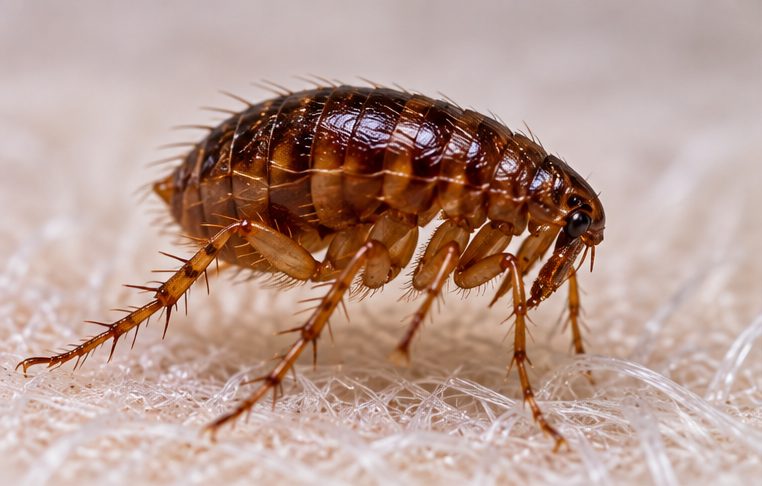
A female flea lays her eggs on the animal, but they are smooth and not sticky, so they drop off as the pet walks, scratches, shakes or curls up to sleep. Wherever the pet spends the most time gets the most eggs. The larvae that hatch cannot jump and do not travel far: they crawl down, away from the light, and feed on flea dirt that has fallen in the same places.
Pet beds and favourite spots

- The dog basket or cat bed, and the blanket inside it
- A favourite armchair, window seat or sunny patch of carpet
- The rug in front of a radiator or fire
- The foot of a bed the pet is allowed on
- Wherever the pet is groomed or brushed
These are the first places to check with the damp paper test described in how to know if you have fleas.
Deep in the carpet pile
Larvae work their way to the base of the pile, where it is dark and humid and where the vacuum cleaner struggles to reach. Thick, long-pile carpets and rugs give them more shelter than a short, tight weave. The larger period homes of Dollis Hill, with fitted carpets and wool rugs, can hold a lot of flea stages out of sight.
Along skirting boards and under furniture
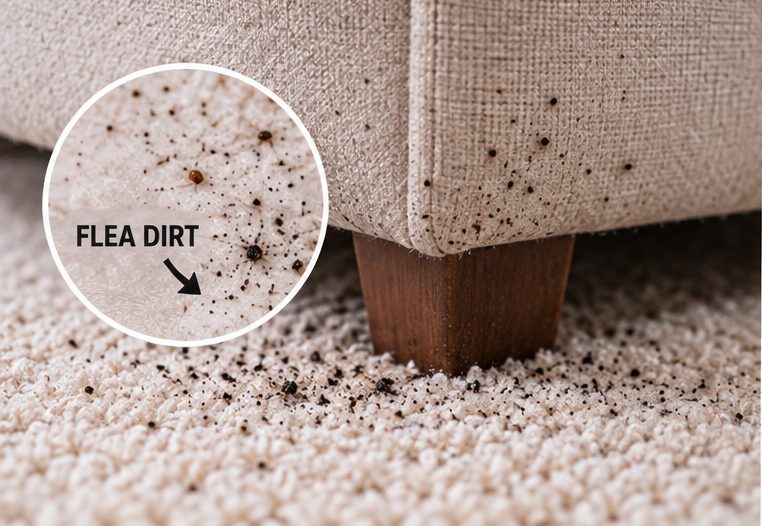
The strip of carpet along the skirting, and the patches under beds, sofas, sideboards and wardrobes, are rarely walked on and rarely vacuumed. Cocoons pick up dust and carpet fibres on their sticky surface, so they are almost impossible to see. These edges are where many of the fleas that hatch later have been waiting.
Between the floorboards
Stripped or painted boards look like a poor home for fleas, but the gaps between them collect dust, hair and flea dirt — exactly what larvae feed on. Older houses with timber floors, like many around Willesden, can have fleas developing in the joints even with no carpet in the room.
Sofas, cushions and bedding
Crevices down the sides of sofa cushions and the folds of throws and pet blankets can hold eggs and larvae too. Whether fleas actually live there, and how that differs from bed bugs, is covered in can fleas live in beds and sofas.
Stairs, the car and the garden
Carpeted stairs are a busy route for pets and collect eggs along each tread. A dog that rides in the car boot on a blanket can leave fleas there. Outside, larvae can develop in shaded, sheltered spots where animals lie — under decking, beside a shed, or in a dry corner under a hedge.
In a block of flats, a pet that uses a communal landing or lift is unlikely to leave much there, because those areas are busy, bright and cleaned. The rooms inside the flat where the animal actually settles are the ones to concentrate on. Balconies with a pet bed or an old outdoor cushion are worth checking too, especially in a sheltered corner that stays damp after rain.
Where fleas are less likely
Bright rooms with smooth hard floors that are mopped often, such as most kitchens and bathrooms, offer little shelter for larvae. Fleas do not nest inside walls or furniture frames, and they do not live in people's hair. That helps you decide which rooms really matter.
Using the map when you book
Before booking, go round the home and list the rooms where the pet sleeps, sits and plays, and any rooms where people have been bitten. Flea treatment in Brent is priced at £180 for the first room and £60 for each additional room. Book flea treatment, then read how to prepare a property for flea treatment.