Start with the bites
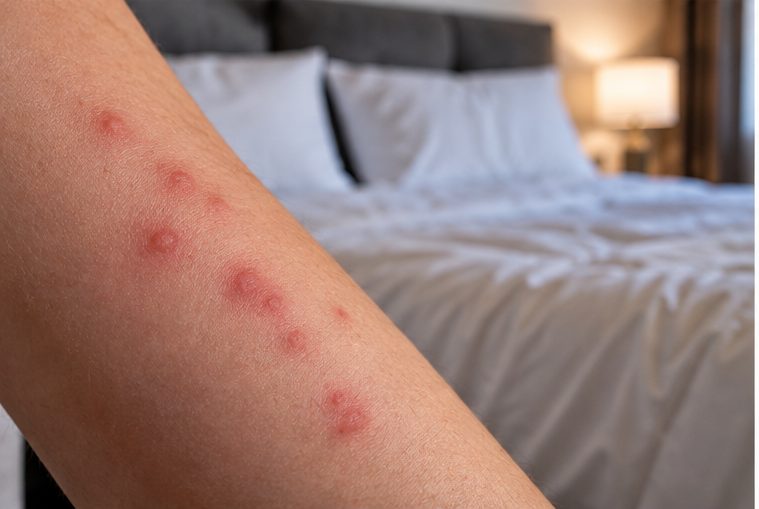
Flea bites are small, raised, red spots that itch far more than their size suggests. They tend to come in small groups on the feet, ankles and lower legs, because a flea jumping up from the carpet rarely gets much higher. Anyone who sits on the sofa with a cat on their lap, or shares a bed with a dog, may also find bites around the waist or on the arms.
People react differently. One member of the family can be covered in itchy spots while another, sleeping in the same house, has nothing at all. That does not mean the fleas are only in one room. For itching that is hard to live with, a pharmacist can help, or speak to your GP; call 999 if anyone shows signs of a severe allergic reaction.
A pet that will not settle

Cats and dogs with fleas scratch, nibble at their coat and chew at the base of the tail or behind the neck. Some become restless at night or keep moving from one resting spot to another. Scratching can have other causes, such as a skin allergy, so treat it as a clue rather than proof — and let your vet see the animal either way.
The damp paper test for flea dirt
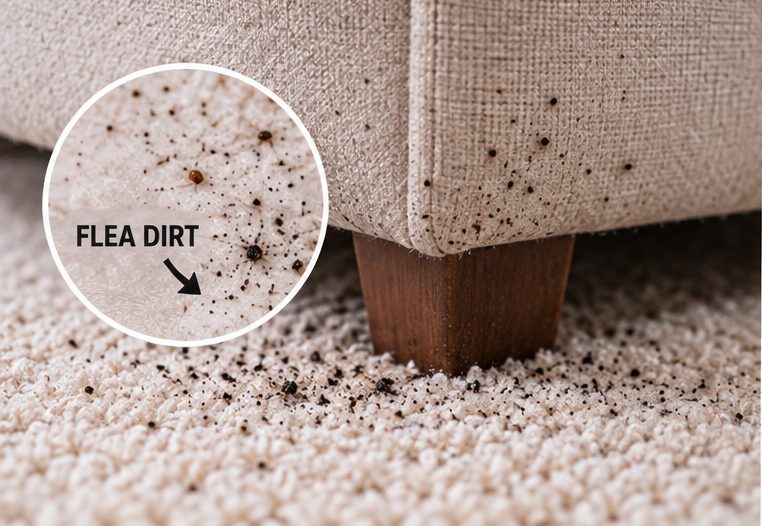
Flea dirt is what adult fleas leave behind after feeding: tiny black specks of dried blood, a bit like ground pepper. Run a fine comb through your pet's fur over a sheet of white kitchen paper, or collect a few specks from the pet's bed or the carpet where it lies. Drip a little water on them. Specks that smear into reddish-brown streaks are almost certainly flea dirt. Soil, fluff and crumbs stay grey or black.
Walk the rooms in white socks
Pull a pair of long white socks up over your trouser legs and walk slowly across the carpets and rugs, lingering where the pet usually rests. Hungry fleas are drawn by movement and warmth, and any that jump on stand out as dark dots against the white. Try it in the evening, in more than one room, and note where you pick them up.
What an adult flea looks like
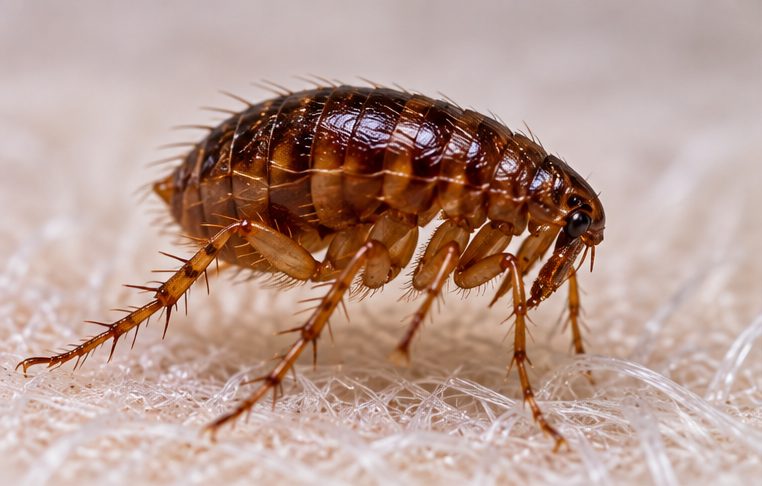
- About 2–3mm long — roughly the size of a sesame seed or smaller
- Dark reddish-brown and shiny
- Narrow when seen from above, because the body is flattened from side to side
- No wings, but powerful back legs: it disappears in a jump rather than crawling away
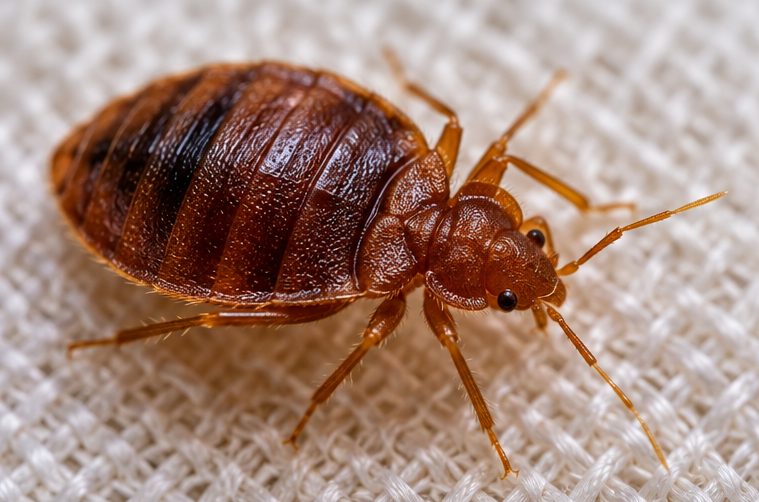
An insect that is flat and oval like an apple seed, and walks rather than jumps, is more likely to be a bed bug. The differences are set out in bed bugs or fleas.
When there is no pet in the house
Bites with no animal at home are confusing, but they are not unusual — especially in a property that has recently changed hands. Read can you have fleas without having pets and, if you have just moved, flea problems after moving into a new home.
Look-alikes worth ruling out
Summer mosquito bites, bed bugs and the fine hairs of carpet beetle larvae can all leave itchy marks. Carpet beetle larvae do not bite, but some people react to them — see can carpet beetle larvae irritate your skin. A positive paper test or a flea on your sock settles the question.
If the checks point to fleas
Make a note of which rooms gave you bites or fleas on your socks, and ask your vet about the pets. For family homes with cats and dogs, such as many around Sudbury, it is usually the living room and wherever the animals sleep. The next step is working out where fleas hide around the home. Flea treatment in Brent is charged by the room: £180 for the first room and £60 for each additional room.