What a pet treatment is for
A flea product recommended by your vet is designed to deal with fleas on the animal and to protect it from new ones. Some products are also meant to stop flea eggs developing. Products differ, so ask your vet what the one you are using does and how often it is needed.
Where most of the fleas actually are
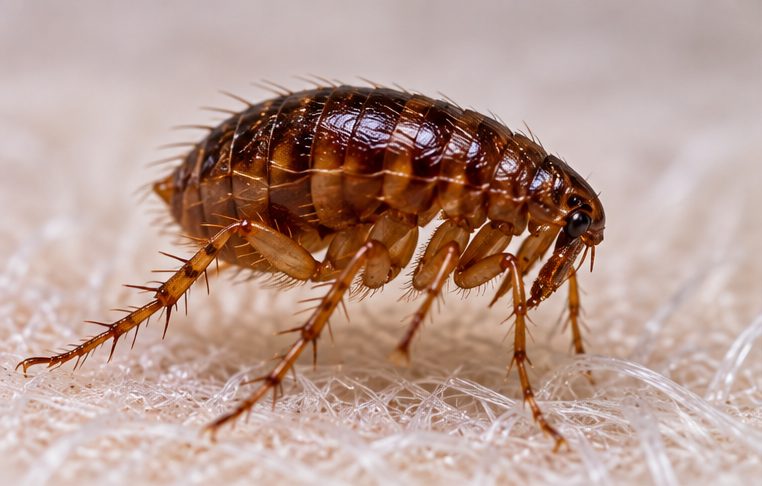
By the time anyone notices a problem, the fleas on the pet are only a small part of it. The eggs have dropped into the carpet, the larvae are feeding in the pile and between floorboards, and cocoons are waiting along the edges of rooms. None of those stages is on the animal, so a treatment applied to the animal does not reach them directly.
The pet as a moving trap

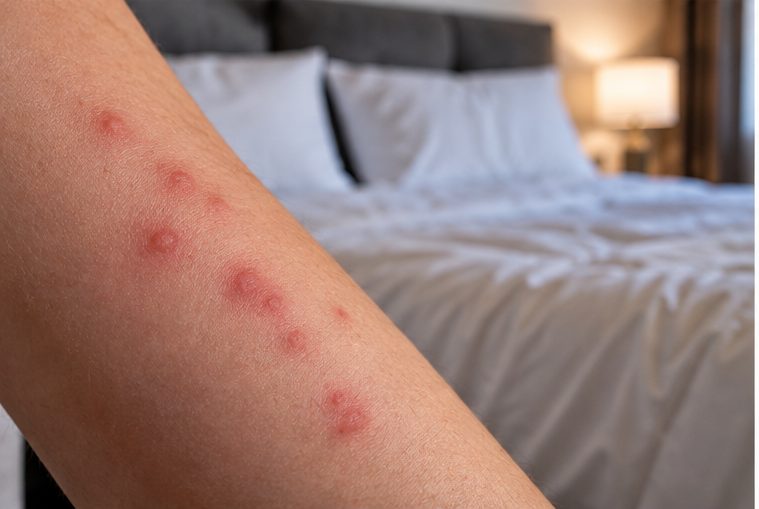
A treated pet still helps the house. Fleas that hatch in the carpet jump onto it and are dealt with there rather than breeding. The catch is that cocoons can wait for weeks before hatching, and in the meantime they will bite whoever walks past — including the people in the home. That is why bites often carry on even when the pet is protected.
Treat every animal in the home
One untreated cat in a house of treated dogs keeps the cycle going. Every cat and dog needs its own vet-recommended product, suitable for its species and size. Never use a product intended for one kind of animal on another without checking with a vet first; some that are safe for dogs can be dangerous for cats.
Keep going after the fleas disappear
It is easy to stop once the scratching eases. If there are still cocoons in the carpet, a pet that is no longer protected will pick up the next fleas to hatch and start a new generation. Follow the schedule your vet recommends. If you are not sure when the last dose was given, or whether a new pet in the household has been treated, ask the vet to check before assuming everyone is covered.
What to do in the home alongside
- Vacuum carpets, rugs, edges and under furniture often, and empty the vacuum into an outside bin
- Wash pet bedding and throws on a hot cycle and dry them thoroughly
- Vacuum the car boot or wherever the pet travels
- Keep an eye out for visiting cats that could bring fleas back in
When the house needs treating too
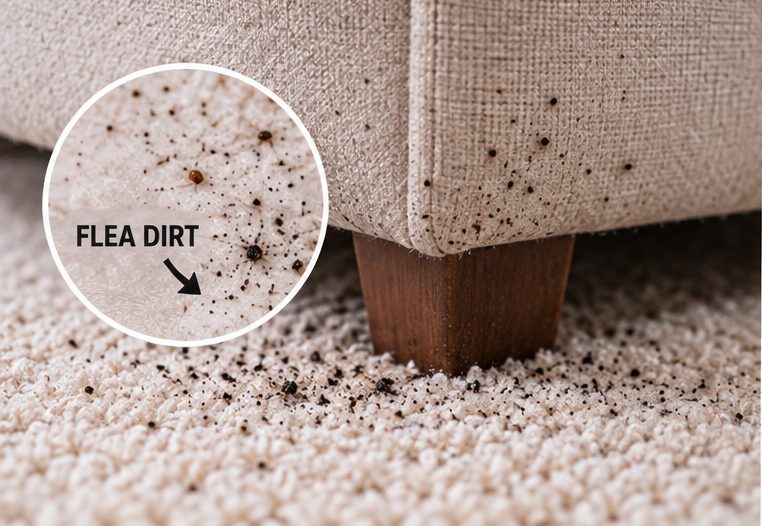
If people are being bitten, if fresh flea dirt keeps turning up in several rooms, or if fleas are still landing on a white sock after the pets have been protected for a while, the carpets need dealing with as well. How that fits into the timeline is covered in how long flea treatment takes to work, and the reasons bites can persist are in why fleas are still biting after treatment.
Homes with several pets
Family homes in Sudbury with a dog and a cat or two, and pets that go in and out of the garden, give fleas plenty of chances, and a pet that is walked in parks or meets other dogs can pick up new fleas at any time. Treating the animals and the house around the same time is the approach that stops the cycle restarting. If the pets sleep on furniture, see can fleas live in beds and sofas.
Booking the house
Arrange the vet side first, then book flea treatment for the rooms the pets use. Flea treatment in Brent is £180 for the first room and £60 for each additional room, so five rooms would be £420. Before the visit, work through how to prepare a property for flea treatment so the floors can be reached.