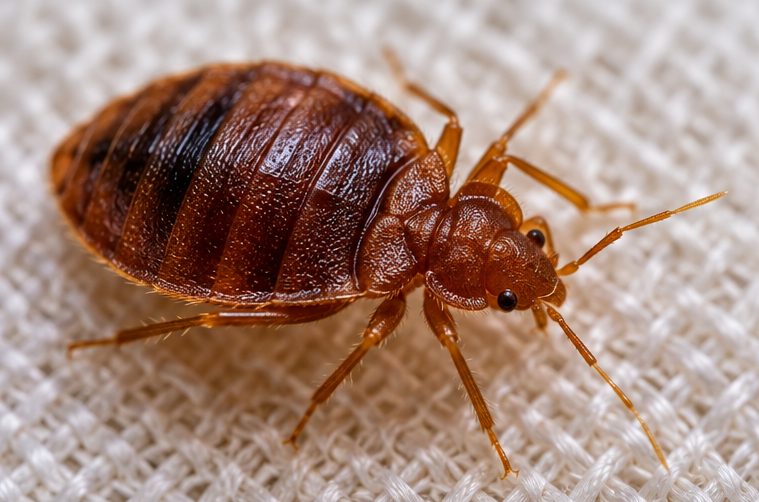
Why the fleas wait for you
If the last occupants had a cat or dog, flea cocoons may have been lying in the carpets since they left. The adult flea inside a cocoon can wait for weeks, doing nothing, until it senses a host: the vibration of footsteps, the warmth of a body and the carbon dioxide in breath. A removal team, a family and a lot of walking about set them all off at once.
Why the viewing gave no clue
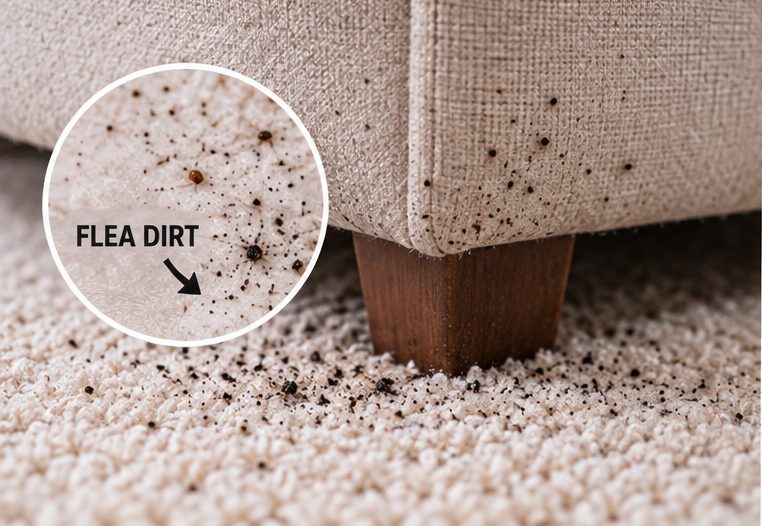
Cocoons are coated in dust and carpet fibres and sit at the base of the pile, so they cannot be seen. A short viewing, or a professional clean, does not disturb them enough to hatch many. The bites only start once the home is properly lived in. Fleas can also be missed in a property that was let or sold furnished, where a sofa or rug has been sitting in the same place for years.
Before the boxes come in
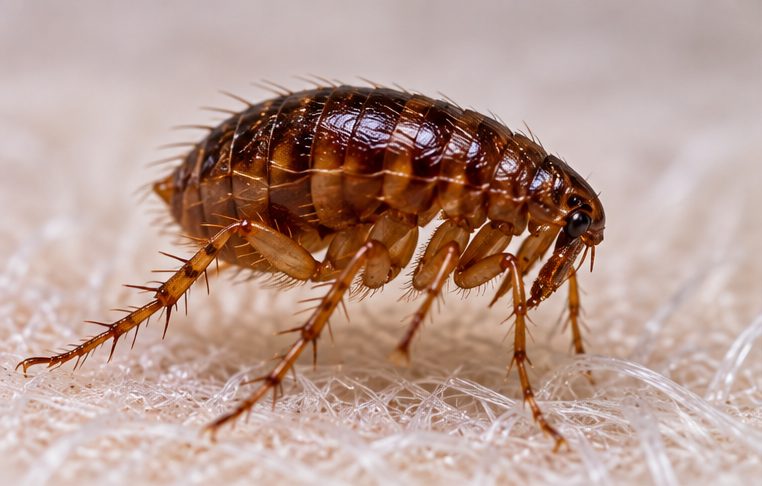
If you have a gap between getting the keys and moving in, use it. An empty home is far easier to check and to treat.
- Walk each carpeted room slowly in long white socks and see what jumps on
- Look along the skirting boards for dark specks and test them on damp white paper
- Vacuum every carpet thoroughly, edges included, and empty the vacuum outside
- Ask the agent or seller whether pets lived in the property
If you have already moved in
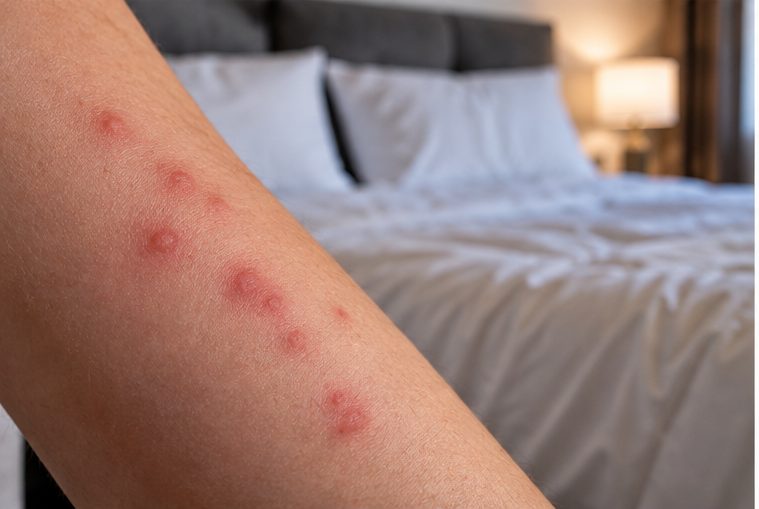
Start with the checks in how to know if you have fleas. Keep boxes and furniture off the worst rooms where you can, vacuum often and keep bedroom doors shut if bites are coming from one room. Itchy bites on the ankles and lower legs are usual; a pharmacist or GP can advise on them, and call 999 for signs of a severe allergic reaction.
Protecting your own pet
A pet moving into a home with fleas will pick them up quickly, and then the problem becomes yours rather than the last occupant's. Ask your vet about flea treatment for your animals before or as soon as you move.
Telling the landlord, agent or seller
If you are renting, tell the landlord or letting agent in writing as soon as you find fleas. Who arranges and pays for treatment depends on the tenancy agreement and the condition the property was let in — the landlord's side is set out in do landlords need flea treatment between tenancies. If you have bought, it is worth letting the seller's agent know, though fleas are rarely something a sale is reopened over.
Keep a simple record
Note the date the bites started, which rooms they came from, and take photos of any flea dirt or fleas you catch on tape. It helps us understand the problem and helps any conversation with a landlord or agent. Keep a copy of the check-in inventory with the notes, particularly anything it says about carpets or signs of pets, and any messages you send about the fleas.
Is it definitely from the new home?
Fleas rarely travel with furniture in the way bed bugs can, because adults want an animal rather than a bed frame. If bites appear on the upper body after sleeping, read how bed bugs get into a home as well.
Moving within Brent
People moving home in Cricklewood and elsewhere in the borough can ask for the treatment before furniture arrives. Flea treatment in Brent is £180 for the first room and £60 for each additional room, so a new two-bedroom flat with a carpeted living room would come to £300. Book flea treatment and tell us your moving date, and whether the rooms will still be empty when we arrive.